
Meet the Orionids: Halley's Famous Debris
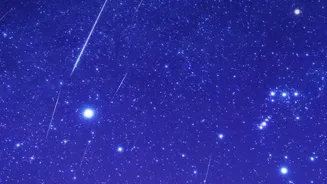
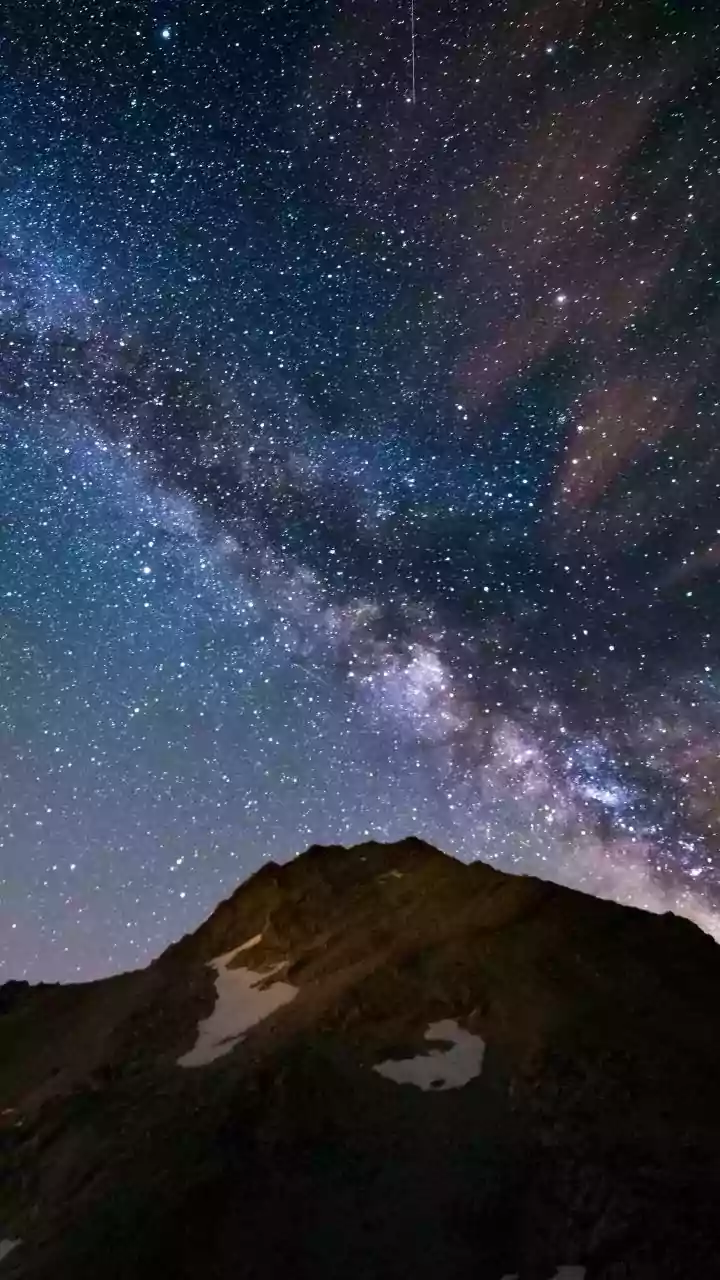
The Orionid meteor shower is an annual event active from early October to early November. These 'shooting stars' are not stars at all, but tiny pieces of ice and dust shed by the famous Comet 1P/Halley. As Earth orbits the sun, it plows through this stream
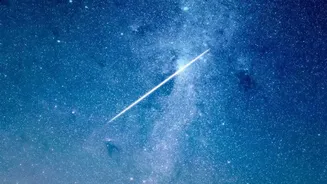
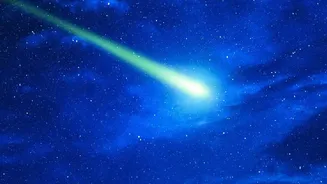
of debris. The particles, many no bigger than a grain of sand, enter our atmosphere at incredible speeds and burn up, creating brilliant streaks of light. The Orionids are known for being exceptionally fast, travelling at about 66 kilometres per second. This high velocity means they can leave glowing 'trains' of incandescent debris that linger for a few seconds after the meteor has vanished and can sometimes produce bright, dramatic fireballs.
Mark Your 2026 Calendar: The Peak Nights
For 2026, the Orionid meteor shower will peak on the nights of October 21-22. While you might see meteors on the nights leading up to and following this window, your best chance for a high-volume show is during the peak. The ideal time to watch is in the hours after midnight until dawn. This is when the shower's radiant—the point in the sky where the meteors appear to originate, near the constellation Orion—is highest in the sky. This year, a bright waxing gibbous Moon will interfere with viewing for part of the night. However, the Moon is expected to set around 3 a.m. local time, opening a prime, dark window for meteor watching from moonset until the start of twilight.
Why Your Eyes Are the Only Tool You Need
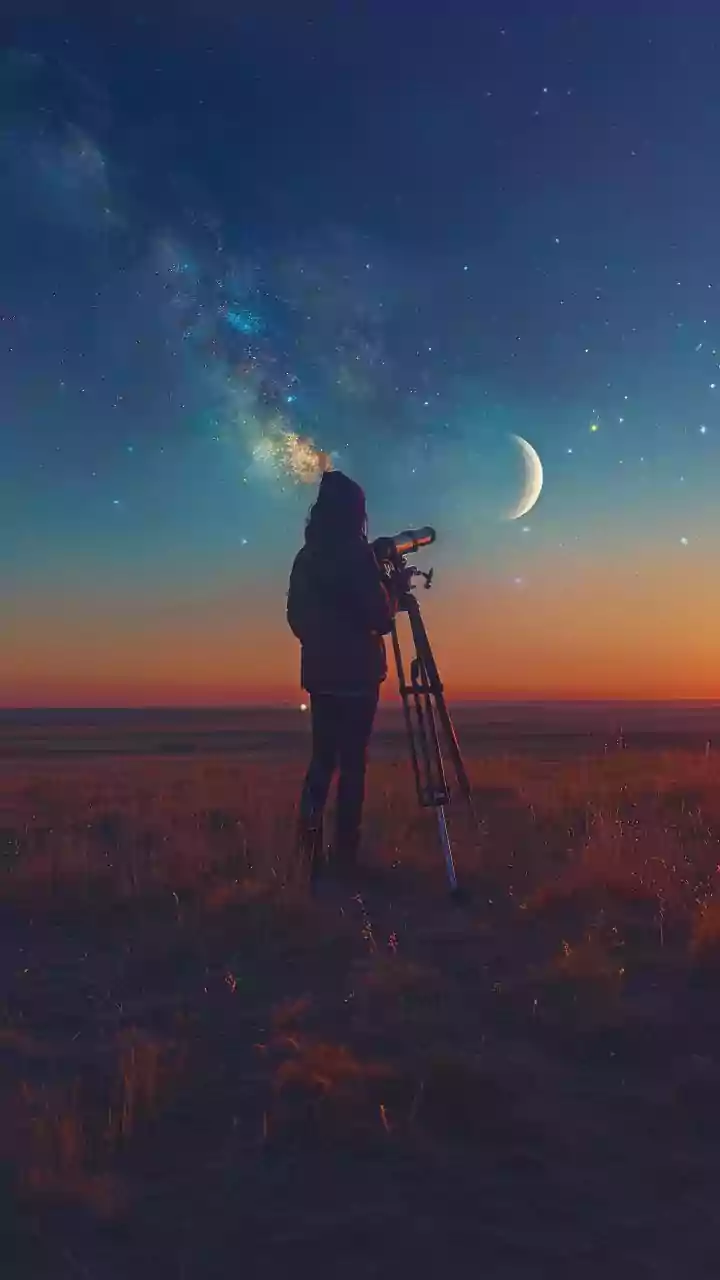
The most common misconception about watching a meteor shower is that you need a telescope or binoculars. In reality, the opposite is true. Meteors can appear anywhere in the night sky, and their paths are long and fleeting. A telescope or pair of binoculars dramatically narrows your field of view, meaning you'd likely miss most of the action. The best instrument for the job is your own eyes, which can take in a wide expanse of the sky at once. To get the best view, don't stare directly at the radiant point in the Orion constellation. Meteors appearing near the radiant will look short due to perspective. Instead, look about 45 to 90 degrees away from it; from this angle, the meteors will appear longer and more spectacular.
Beating the Big City Lights
City lights are the biggest obstacle for urban stargazers, but not an insurmountable one. Your primary goal is to minimise direct light in your line of sight and find the widest possible view of the sky. Look for a local park, an athletic field, or a waterfront area that is open and has fewer streetlights. Even a backyard or a balcony can work if you turn off all your own lights. The most crucial step is allowing your eyes to adapt to the dark, which can take 20 to 30 minutes. During this time, avoid looking at your phone or any other bright light, as it will reset your night vision. If you need a light, use a red torch, which has a minimal impact on dark adaptation. While you won’t see the 15 to 20 meteors per hour possible under perfect dark skies, the Orionids are bright enough that you still have a good chance of spotting several impressive streaks.
Your Viewing Checklist for Success
Comfort is key to a successful meteor hunt, as it involves a lot of patient waiting. Plan to bring a reclining lawn chair or a thick blanket to lie on, allowing you to look straight up without straining your neck. Dress in warm layers, even if the evening feels mild; temperatures can drop significantly in the pre-dawn hours. A warm drink in a flask is also a good idea. Find your spot, get comfortable, lie back, and simply look up. Take in as much of the sky as you can and be patient. The reward is a personal connection to one of the solar system's most celebrated comets, visible from your own corner of the city.