
The Dazzling Evening Star: Venus
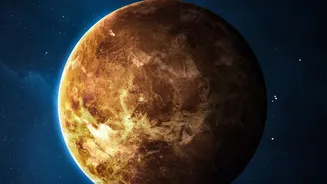
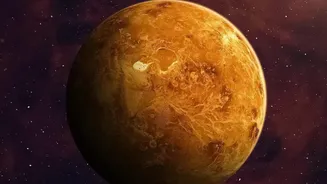
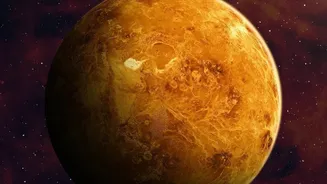
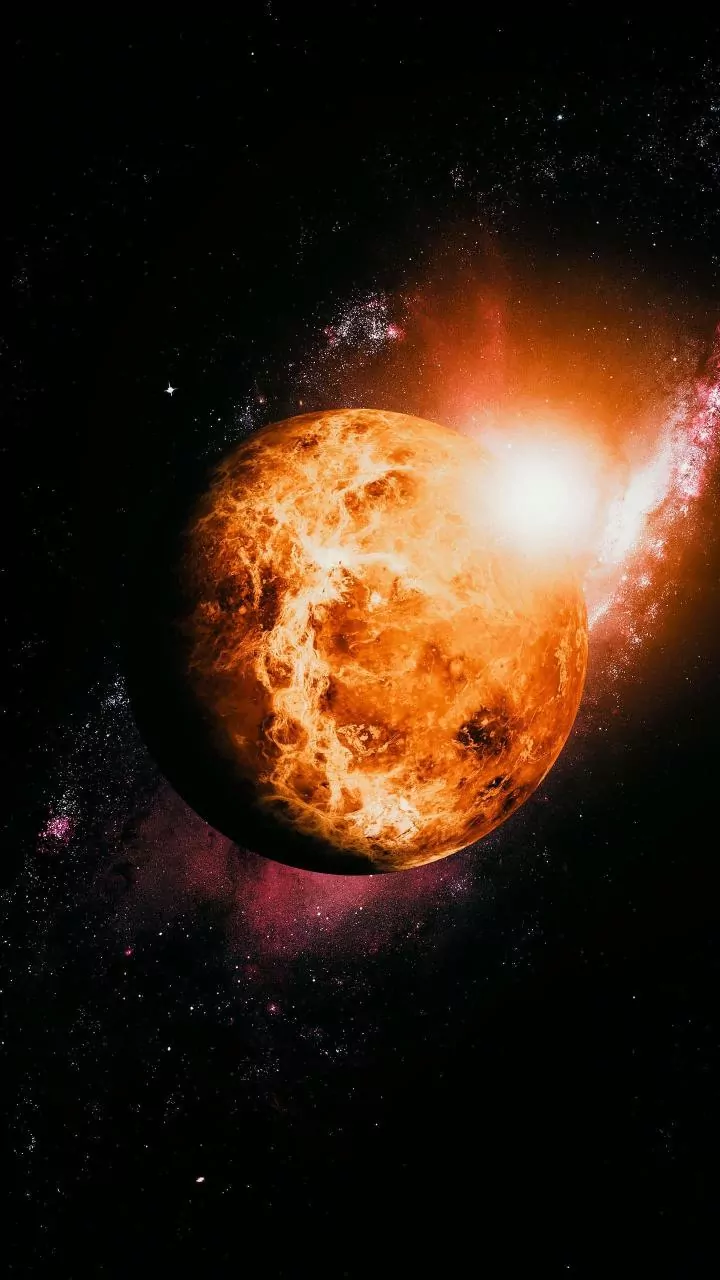
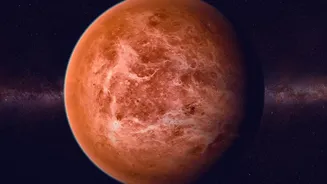
Throughout August, the planet Venus will be a commanding presence in the western sky after sunset. It is exceptionally bright, making it impossible to miss even in the evening twilight. Around the middle of the month, specifically August 15, Venus reaches
its greatest elongation, meaning it will be at its farthest apparent distance from the Sun, making it even more prominent. If you look on the evening of August 15, you might also spot the thin crescent Moon near the super-bright planet, creating a beautiful pairing. Look to the west shortly after the sun goes down for your best chance to see our neighbouring world at its most brilliant.
The Perseid Meteor Shower: August's Grand Finale
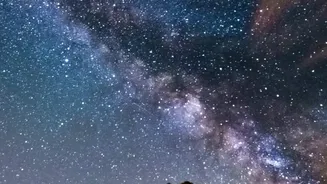
The most anticipated celestial event for many this month is the Perseid meteor shower, which will peak on the nights of August 12 and 13. This year’s shower is set to be particularly spectacular because the peak coincides with a New Moon, which means the skies will be exceptionally dark without any moonlight to wash out the fainter meteors. Under ideal conditions, away from city lights, observers could see up to 100 meteors per hour. These 'shooting stars' are actually debris from the comet 109P/Swift-Tuttle burning up in our atmosphere. For observers in India, the best viewing window is between 2:00 AM and 4:30 AM on the morning of August 13. No special equipment is needed; just find a dark spot, let your eyes adjust for about 20-30 minutes, lie back, and enjoy the show.
A Parade of Planets Before Dawn
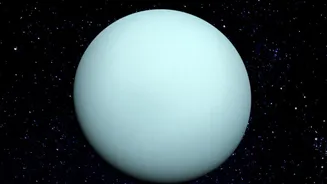
In a truly rare cosmic coincidence, a six-planet parade will be visible in the pre-dawn sky around August 11 and for a few mornings after. Mercury, Jupiter, Mars, Uranus, Saturn, and Neptune will be scattered across the sky. Of these, Mercury, Jupiter, Mars, and Saturn should be visible to the naked eye under the right conditions. Look towards the eastern horizon before sunrise to catch a glimpse of this alignment. While you'll need binoculars to spot Uranus and a telescope for Neptune, seeing four planets strung across the morning sky is a remarkable sight. Reddish Mars and yellowish Saturn will be higher up and easier to spot.
Eclipses This Month: A Note for Indian Viewers
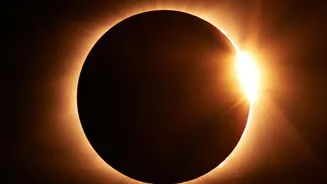
August 2026 features two eclipses, but their visibility from India is limited. A total solar eclipse will occur on August 12, but it will not be visible from India. Its path of totality crosses over Greenland, Iceland, Spain, and Russia. Similarly, a deep partial lunar eclipse will happen on August 28, but it will also not be visible from India as the event occurs when the Moon is below the horizon for Indian observers. While we won't be able to see these eclipses directly, many space agencies and astronomy channels will offer live streams, allowing you to witness the events virtually.
Tips for Successful Stargazing
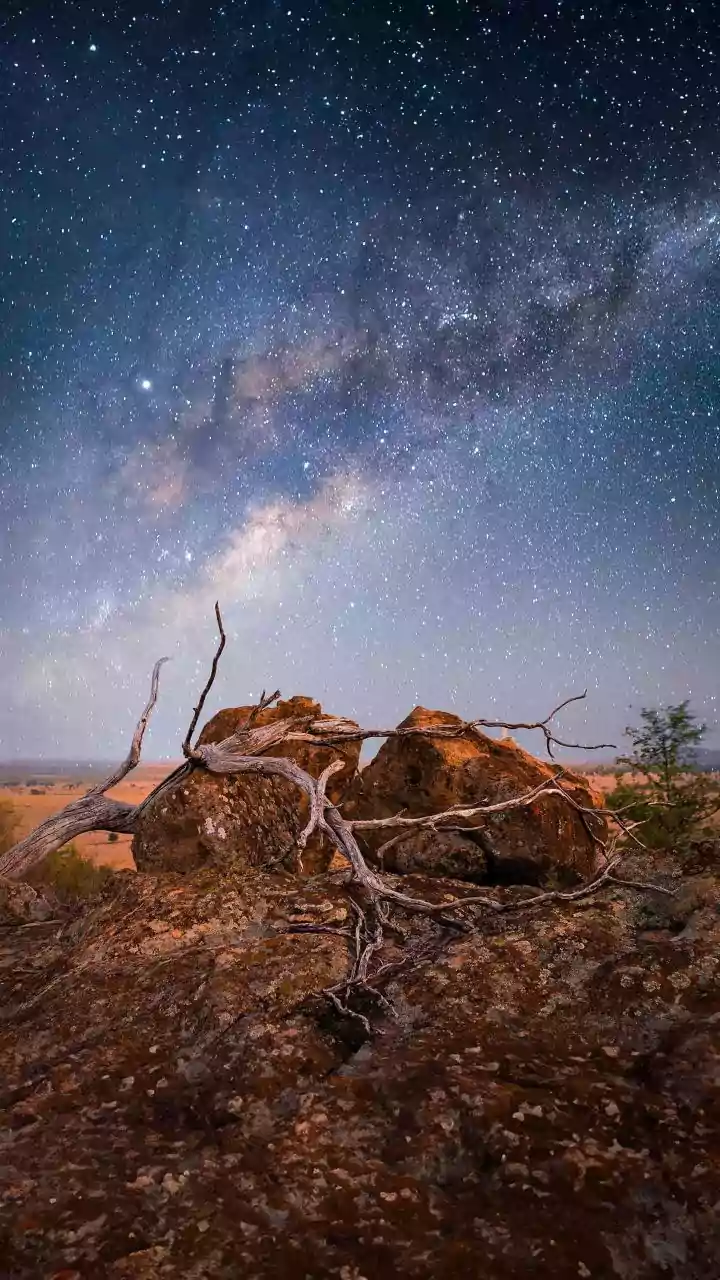
The biggest challenge for stargazing in India during August is often the monsoon cloud cover. To increase your chances, try to find a location known for clearer skies, such as high-altitude regions like Ladakh or Spiti, or areas in a rain shadow like parts of Rajasthan. Even if you're in a city, don't be discouraged. Find a park, rooftop, or any spot away from direct streetlights. Turn off all your own lights and allow at least 20 minutes for your eyes to fully adapt to the darkness. Stargazing apps on your smartphone can be invaluable for locating planets and constellations, but be sure to use their 'night mode' to preserve your night vision. Patience is key, so get comfortable and give yourself time to take in the wonders above.