


The Battle for Crunch
You’ve done everything right. You heated the oil to the perfect temperature, achieved a beautiful golden-brown crust, and pulled your creation out of the fryer at just the right moment. But within minutes, the satisfying crunch gives way to a disappointing
softness. This rapid decline from crispy to soggy is one of the most common frustrations for home cooks. The cause isn't a flaw in your cooking ability, but a simple matter of physics. The two main culprits are moisture and steam. Once food leaves the hot oil, a process called moisture migration begins. Water from the moist interior of the food starts moving towards the dry, crispy crust, softening it from the inside out. Trapped steam from hot food only makes this worse, creating a miniature sauna that undoes all your hard work. Fortunately, you can outsmart science with a few simple timing tricks involving two key ingredients: salt and sauce.
Salt: The Moisture Magnet
Salt is fundamental to flavour, but its real superpower is its ability to control moisture through a process called osmosis. Salt naturally draws water towards it. When you sprinkle salt onto the hot, steaming surface of freshly fried food, you're essentially placing tiny moisture magnets all over the crust. This pulls water out of the food's interior and from the steam escaping it. That moisture then collects on the surface, turning your crispy coating into a soft, damp one. While some chefs brine potatoes or meat in a salt solution before cooking to enhance flavour and texture, this is a different process from post-frying seasoning. Adding salt to food just before it goes into the fryer is also a bad idea, as it can cause the hot oil to splatter and degrade faster. For the crispiest results, the rule is to control when and where that salt-induced moisture appears.
The Golden Rule of Salting
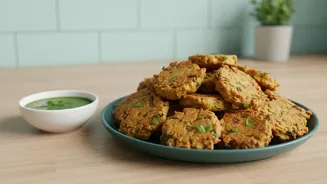
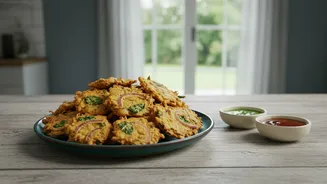
To preserve that perfect crunch, you must change your timing. The best moment to salt fried food is immediately before serving. According to culinary experts, waiting to salt allows the crust to stay dry and crisp for much longer. When you salt just as the food is about to be eaten, the salt crystals adhere to the thin layer of oil on the surface, providing flavour without having enough time to draw out significant moisture and turn things soggy. An even better method is to serve the salt on the side. Let your family or guests season their own portions of fries, pakoras, or fried chicken. This puts them in control and ensures every bite is as crispy as the first. When you do the salting yourself, toss the food in a bowl with fine salt for even coverage right before it hits the plate. This simple delay is the single most effective trick for extending the life of your crunch.
When Sauce Becomes Sabotage
If salt is a moisture magnet, then sauce is a moisture bomb. Most popular sauces, from ketchup and chutneys to hot wing sauce and General Tso's glaze, are primarily water-based. And as we know, water is the ultimate enemy of a crispy crust. When a hot, crispy item is drenched in a cool, wet sauce, the result is immediate and catastrophic. The liquid instantly begins to seep into the porous, rigid structure of the fried coating, breaking it down and turning it to mush. The heat from the food can also turn the sauce's moisture into steam, which gets trapped against the crust and accelerates the sogginess. This is why a basket of saucy wings or a plate of sweet and sour chicken often has a very short lifespan at the table before losing its textural appeal. The longer the food sits in the sauce, the softer it will become.
How to Sauce Smarter
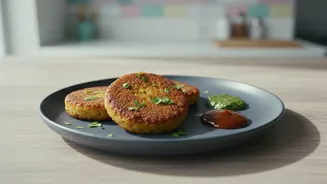
You don't have to give up your favourite sauces to maintain crispiness; you just have to apply them strategically. The most effective method is to serve sauce on the side for dipping. This classic restaurant trick keeps the fried item and the sauce separate until the very last second, guaranteeing a perfect textural contrast in every bite. If you're making something like saucy wings, toss them in a bowl with warm (not boiling hot) sauce immediately before serving. Don’t let them sit. For dishes like Chinese-American takeout favourites, using a starch like cornstarch or potato starch in the breading can create a more resilient crust that holds up better to sauce. Another pro tip is to let fried foods cool for a few minutes on a wire rack before saucing. This allows some of the initial intense steam to escape, so the sauce is less likely to turn into a sogginess-inducing steam bath upon contact.