





What Exactly Is El Niño?
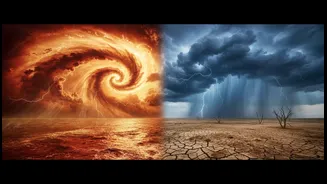
El Niño, which means 'the little boy' in Spanish, is a naturally occurring climate pattern characterized by the unusual warming of surface waters in the central and eastern equatorial Pacific Ocean. Think of it as a vast pool of warm water that disrupts
normal atmospheric circulation. These events typically happen every two to seven years and can last for nine to twelve months. The opposite of El Niño is La Niña ('the little girl'), which involves the cooling of the same ocean waters. While El Niño is often associated with drier conditions in India, La Niña generally brings heavier monsoon rains.
The Critical Monsoon Connection
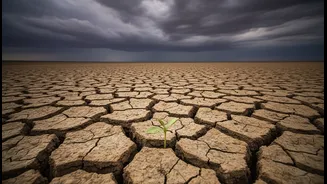
India's economy and the livelihoods of millions depend on the southwest monsoon, which provides about 80% of the country's annual rainfall. El Niño disrupts this critical system. The warming of the Pacific Ocean weakens the easterly trade winds, which are linked to the moisture-carrying monsoon winds that blow towards India. This dampening effect typically leads to reduced rainfall across the subcontinent. Historically, many of India's drought years have coincided with El Niño events, highlighting this strong connection.
The 2026 Forecast: A Weak Monsoon
The outlook for July 2026 is concerning. The India Meteorological Department (IMD) has forecast below-normal rainfall for July, expecting precipitation to be less than 94% of the Long Period Average (LPA). This follows one of the driest Junes in over a century, which saw a rainfall deficit of around 40%. The World Meteorological Organization (WMO) has confirmed that El Niño conditions are already present and are expected to strengthen rapidly between July and September 2026. This has prompted the Prime Minister's Office to hold high-level meetings to review the country's preparedness for the potential impacts.
Impact on Farms, Wallets, and Power
A weak monsoon has a domino effect on the entire nation. For agriculture, which employs nearly half of India's workforce, less rain means trouble. It can lead to lower crop yields, particularly for rain-fed kharif crops like rice, pulses, and cotton. This directly impacts farmers' incomes and can drive up food prices, contributing to inflation. The strain extends to water resources, affecting drinking water availability and hydropower generation. Furthermore, the higher temperatures associated with El Niño increase the demand for electricity for cooling, putting additional pressure on the power grid.
Preparing for the Impact
Recognizing the risks, the Indian government is taking proactive steps. Ministries have been directed to work with states on contingency plans to protect agriculture and the economy. This includes updating district-level agricultural plans for vulnerable areas and ensuring the availability of climate-resilient crop varieties. The goal is to minimize disruption to farming operations and stabilize the supply of essential commodities. For citizens, this serves as a reminder of the importance of water conservation and staying informed about weather advisories as the monsoon season progresses.