






Northern Charm: Chiang Mai on a Shoestring
Chiang Mai is a budget traveller's paradise, where your money goes further while delivering rich cultural experiences. Generally considered cheaper than the southern islands, its strengths are affordable food, lodging, and transport. Accommodation is plentiful
and cheap, with clean and social hostels in the Old City offering dorm beds for just a few hundred baht. For getting around, skip the pricier tuk-tuks for short trips and embrace the local transport: the red 'songthaew' trucks that operate like shared taxis. You can hop on and off along their routes for a flat, low fee. Renting a scooter for a few days can also be highly economical for exploring the surrounding countryside, but only if you are a confident rider with the proper license.
Embracing Local Flavours and Free Sights
Food is a major highlight and a huge money-saver in Chiang Mai. The city's street food is legendary, safe, and delicious. Head to the night markets at Chiang Mai Gate or Chang Phueak Gate for dinner, where you can feast on local specialties like the famous khao soi noodle soup, sai oua (northern Thai sausage), and fresh fruit smoothies for a fraction of the cost of a restaurant meal. Many of the city's main attractions are also free. You can wander through countless ancient temples within the Old City walls, soaking in the history and serene atmosphere without spending a baht. For a dose of nature, many nearby trails and viewpoints offer stunning mountain scenery for free.
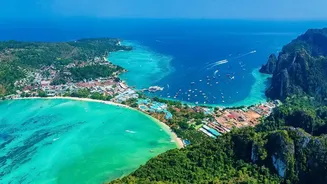
Coastal Adventures: Krabi Without the High Costs
Krabi's stunning limestone karsts and emerald waters can seem expensive, but smart choices make it accessible. The key is your home base. While many tourists flock to pricier Ao Nang or Railay, staying in Krabi Town is significantly cheaper for both accommodation and food. From there, you can easily travel to the beaches for the day. Local songthaews run between Krabi Town and Ao Nang for a low fare, making it easy to access the main beach hub without paying a premium to sleep there. When it comes to eating, avoid the tourist-trap restaurants lining the beachfront in Ao Nang. Walk a few streets back or eat at the local markets in Krabi Town to find more authentic and affordable Thai food.
Smart Island Hopping and Activities
The biggest potential expense in Krabi is island hopping tours. While the packaged speedboat tours to places like the Phi Phi Islands are popular, they can be costly. A more budget-friendly approach is to hire a traditional long-tail boat directly from local operators at the pier in Ao Nang or Krabi Town. You can often negotiate a price to visit a few nearby islands, like the classic '4 Islands' tour (Poda Island, Chicken Island, Tup Island, and Phra Nang Cave Beach), for less than a large group tour. For completely free activities, hike the trail to the Tiger Cave Temple (Wat Tham Suea) for a breathtaking panoramic view—be prepared for its 1,200-plus steps—or simply relax on the public sections of Ao Nang or Noppharat Thara Beach.
Chiang Mai vs. Krabi: A Budget Breakdown
Ultimately, both destinations offer incredible value, but for different things. Chiang Mai is cheaper for day-to-day living: food, transport, and lodging are consistently more affordable than in the south. Your money here is spent on cultural immersion, food exploration, and mountain scenery. Krabi's core costs for accommodation and food can be higher, especially near the main beaches, but its natural attractions are its main draw. The primary expense in Krabi will be activity-based, specifically boat trips to access the iconic islands and lagoons. A savvy traveller might allocate more of their budget to activities in Krabi and take comfort in the low daily running costs of Chiang Mai.