




From Trash To Treasure
In kitchens across India, turning kitchen scraps into culinary gold is a way of life. Citrus peels, often discarded without a second thought, are packed with aromatic oils and a zesty bitterness that, when balanced correctly, can create a truly exceptional
condiment. Making chutney from lemon and orange rinds is not just a delicious way to reduce food waste; it’s a nod to sustainable, flavour-first cooking. The process is simple, and the reward is a versatile chutney that can elevate everything from a simple plate of rice and dal to a cheese platter.
The Crucial First Step: Taming the Bitterness
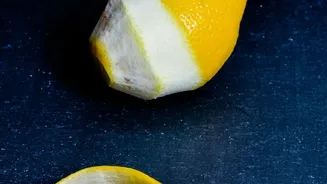
The key to a delicious citrus peel chutney lies in managing the bitterness from the white pith. Overlook this step, and your chutney could be unpalatable. The most effective method is blanching. Start by using a peeler or a sharp knife to remove any excess white pith from the inside of the peels. Then, chop the peels into small pieces. Place them in a saucepan, cover with water, and bring to a boil. Let them boil for about 10 minutes, then drain the water completely. Repeat this process two or three times with fresh water each time. This repeated boiling leaches out the primary bitter compounds, which are water-soluble, making the peels tender and ready for the chutney pot. Some recipes also suggest adding a pinch of turmeric and salt to the water during the final boil.
Recipe: Classic Tangy Lemon Rind Chutney
This recipe channels the classic flavours of Indian pickles, creating a chutney that is sour, spicy, and deeply savoury. It's a perfect accompaniment to parathas, curd rice, or as a zesty spread in a sandwich. Ingredients: - Rinds from 4-5 large lemons, blanched and finely chopped - 2 tablespoons of oil (mustard or sesame oil works well) - 1 teaspoon mustard seeds - A pinch of asafoetida (hing) - 1 tablespoon finely grated ginger - 2-3 green chillies, slit - ½ teaspoon turmeric powder - 1-2 teaspoons red chilli powder (adjust to your spice preference) - 3-4 tablespoons jaggery or sugar, or to taste - Salt to taste - Juice of half a lemon (optional, for extra tang) Method: 1. Heat the oil in a heavy-bottomed pan. Add the mustard seeds and let them splutter. Add the asafoetida. 2. Add the grated ginger and green chillies, and sauté for a minute until fragrant. 3. Add the chopped, blanched lemon peels to the pan along with turmeric powder, red chilli powder, and salt. Stir well to combine. 4. Add about half a cup of water, cover the pan, and let the peels cook on a low flame for 10-15 minutes, or until they are very tender. 5. Once the peels are soft, add the jaggery or sugar. Stir continuously until it melts and the chutney thickens to a jam-like consistency. 6. Taste and adjust the seasoning. If you'd like it tangier, add a final squeeze of lemon juice. Let the chutney cool completely before storing it in a clean, dry glass jar.
Recipe: Sweet and Aromatic Orange Rind Chutney
This version is reminiscent of a classic marmalade but with the complex, spicy notes of a chutney. It pairs beautifully with roasted meats, cheese, or even as a glaze. Ingredients: - Rinds from 2-3 large oranges, blanched and thinly sliced - 1 tablespoon of oil or ghee - 1 small onion, finely chopped - 1-inch piece of ginger, grated - ½ cup of sugar or brown sugar - ¼ cup of vinegar (apple cider or white vinegar) - ½ teaspoon cinnamon powder - ¼ teaspoon clove powder - A pinch of red chilli flakes - A handful of raisins or sultanas (optional) - Salt to taste Method: 1. Heat the oil or ghee in a pan and add the chopped onion. Sauté until soft and translucent. 2. Add the grated ginger and cook for another minute. 3. Add the blanched orange peel strips, sugar, vinegar, spices, and a pinch of salt. If using, add the raisins now. 4. Stir everything together and bring the mixture to a simmer. 5. Reduce the heat to low, cover, and let it cook for about 45-60 minutes, stirring occasionally to prevent it from sticking. The chutney is ready when the peels are tender and the mixture has thickened considerably. 6. Allow the chutney to cool before transferring it to a sterilised jar. The flavours will meld and deepen over the next few days.
Storage and Customisation
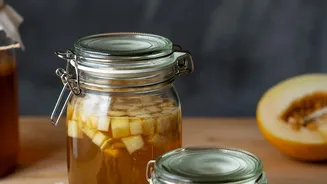
Both chutneys can be stored in an airtight glass jar in the refrigerator for several weeks. For the orange chutney, you can add other warm spices like star anise or cardamom for more complexity. For the lemon chutney, adding roasted and coarsely ground fennel seeds can introduce a wonderful new layer of flavour. Don't be afraid to experiment with the level of sweetness and spice to suit your personal taste. The beauty of these recipes is their adaptability.