






The Post-Pandemic Freedom
The shift to remote and hybrid work models, accelerated dramatically since 2020, is no longer a temporary fix but a permanent feature for many Indian companies, particularly in the IT and knowledge sectors. This newfound location independence gives employees
the freedom to perform their duties from anywhere with a stable internet connection. What began as a necessity has evolved into a conscious lifestyle choice for millions of Indians. This has allowed professionals to escape the confines of their home offices and explore new environments without taking a career break, turning travel destinations into temporary homes and offices.
A Favourable Economic Equation
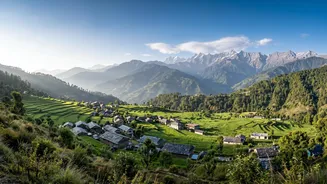
One of the most significant drivers of this trend is simple economics. The cost of living in metro cities like Mumbai, Bengaluru, and Delhi is substantially higher than in many scenic travel destinations. Remote workers are discovering that their city-based salary can afford them a significantly higher quality of life in places like Goa, Rishikesh, or the towns of Himachal Pradesh. Rent for a comfortable apartment in these locations can be a fraction of the cost in a major city, and daily expenses on food and transport are also considerably lower. This financial arbitrage allows workers to save money while simultaneously enjoying a more relaxed environment, making the decision to stay longer an easy one.
The Search for Work-Life Balance
The urban grind, characterized by long commutes and high stress, has led many to seek a better work-life balance. Reports have highlighted that long remote working hours can lead to burnout, with work-life imbalance being a major contributing factor. Relocating temporarily to a travel destination is seen as a direct remedy. The slower pace of life, proximity to nature, and the ability to engage in activities like hiking, yoga, or simply walking on the beach after a workday contribute to improved mental and physical well-being. This blend of productivity and leisure, often called 'bleisure', is a powerful incentive, with some surveys indicating that a significant percentage of Indian professionals plan 'workations'.
An Infrastructure Built for Nomads
This growing demand has been met with a surge in supportive infrastructure. Travel destinations are no longer just for tourists on a short holiday. A robust ecosystem of co-working spaces, hostels with dedicated work zones, and homestays offering long-term packages with high-speed internet has emerged. Places like Manali, Goa, and even Kochi now boast numerous cafes and dedicated workspaces with reliable Wi-Fi and power backups, catering specifically to the needs of digital nomads. This infrastructure removes the friction from working remotely, making it as seamless to work from a mountain-view cafe as it is from a city apartment. The growth in these facilities has also helped boost local economies.
A Fundamental Shift in Mindset
Beyond the practical benefits, there is a deeper cultural shift at play. The traditional definition of a successful career being tied to a desk in a corporate tower is eroding. For many, especially younger professionals, the ability to integrate travel with work is becoming a key factor in job satisfaction. This represents a move away from a 'hustle culture' towards a more holistic approach to life, where personal growth and experiences are valued just as highly as professional achievements. The digital nomad movement in India, once driven by foreign visitors, is now increasingly powered by Indians themselves, redefining what it means to build a career in the modern world.