

The New Centre of Economic Gravity
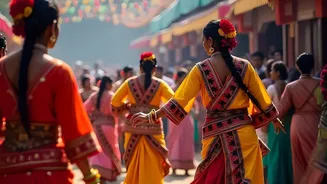
For years, the narrative of India's consumption story was written in its major metropolitan cities. However, the script has changed. Today, the most significant growth in festive demand is emerging from Tier-2, Tier-3, and even smaller 'boomtowns'. While
urban consumption in large metros shows signs of stress, brands are increasingly looking towards cities like Lucknow, Jaipur, Coimbatore, and Indore for growth. This isn't a story of small towns merely catching up; it represents a structural shift. Reports from 2026 show that companies are aggressively expanding their marketing, distribution, and last-mile delivery services into these regions, recognizing them as primary markets. A top executive at Titan noted that about 70% of India's consumption is now coming from these 'breakout towns'.
What Fuels the Heartland's Spending Spree?
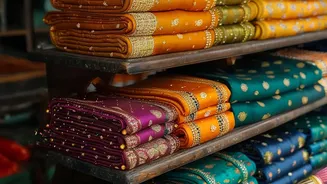
Several factors are converging to power this boom. The rapid digitisation of the economy is a primary driver. Widespread smartphone penetration, affordable internet, and the ubiquity of UPI have connected millions of new consumers to the world of e-commerce, with many new shoppers coming from smaller towns. This allows brands to reach previously untapped markets, with platforms like Amazon and Flipkart seeing massive growth in their Tier-2 and Tier-3 customer bases. Rising incomes and aspirations, supported by government policies and infrastructure development, also play a crucial role. Consumers in smaller cities are no longer just buying basics; they are spending on aspirational products and services, from branded apparel to real estate.
A Complicating Factor: The 2026 Monsoon
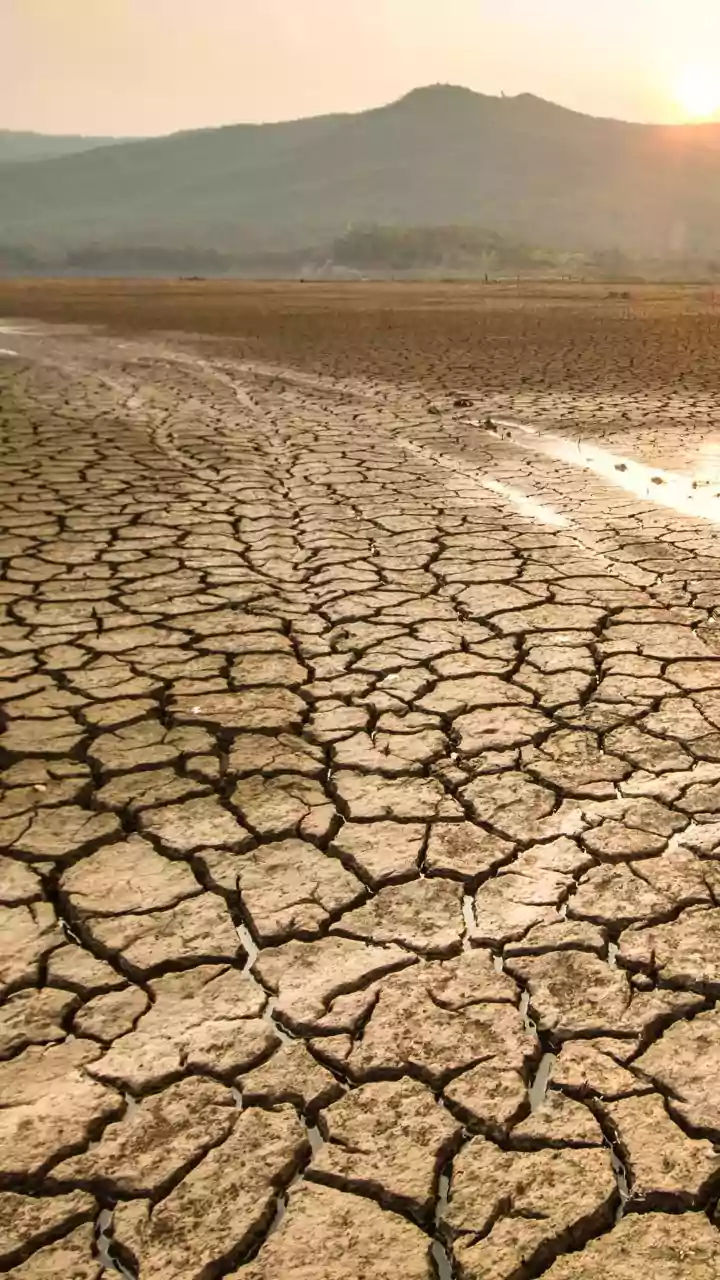
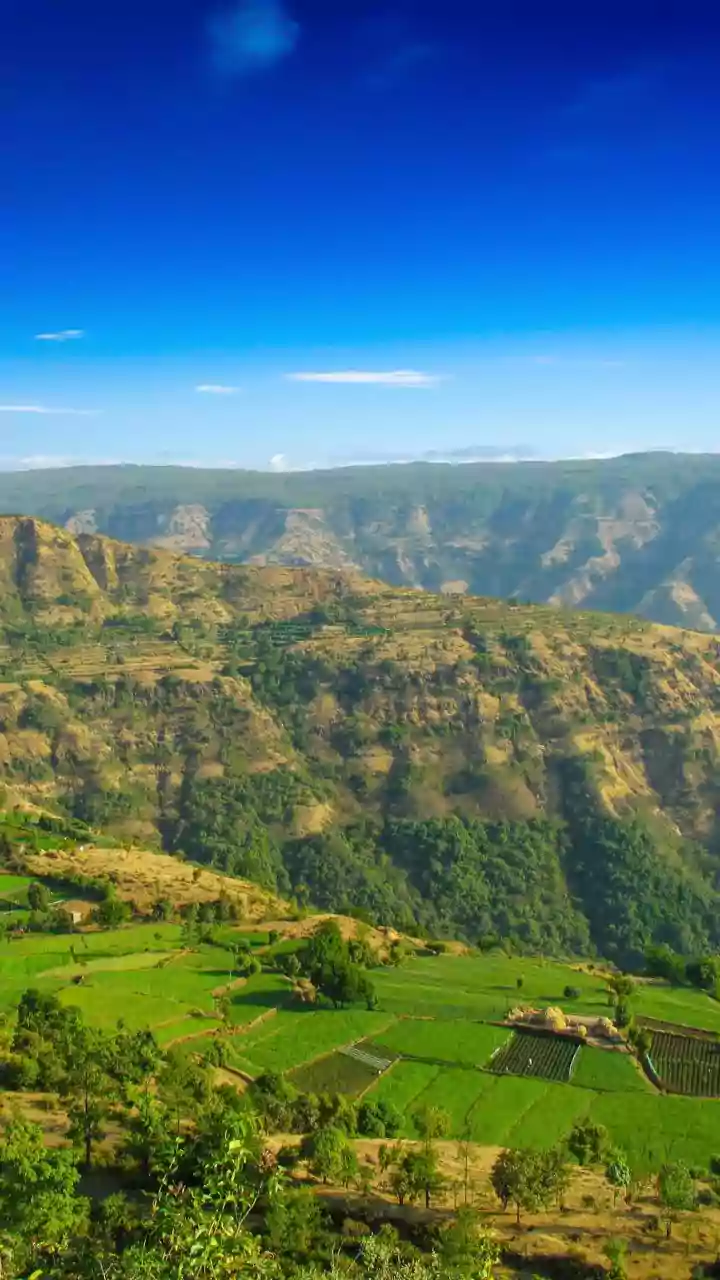
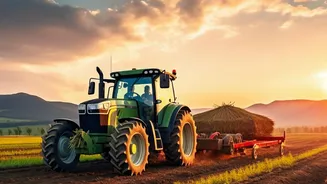
While digital access and aspirations provide a strong foundation, rural and semi-urban spending remains linked to the agricultural economy. The performance of the monsoon is a critical variable. A good monsoon boosts crop yields and farm incomes, directly increasing purchasing power for everything from gold to consumer goods. Nearly 60% of India's gold demand, a traditional festive purchase, originates from rural areas. However, the 2026 monsoon has been weak, with rainfall falling significantly below the long-period average, the lowest since 2015. Rating agencies have already cut agricultural growth forecasts for the fiscal year, warning that weaker farm incomes could dampen rural demand and stoke inflation in the second half of the year. This creates a mixed economic picture, where rising digital consumption in towns could be tempered by agricultural stress in the surrounding rural hinterlands.
How Companies Are Responding
Businesses are not passive observers of this trend; they are active participants. Lifestyle brands are launching lower-priced products specifically targeted at these markets to attract first-time buyers. E-commerce platforms are expanding their express delivery networks to hundreds of smaller cities, making convenience a key selling point. A survey in late 2026 highlighted that consumers in Tier-2 cities are leading the charge in mid-budget spending, a segment brands are keen to capture. The strategy is clear: be present, be accessible, and be relevant. This includes everything from using vernacular content in marketing to ensuring logistics can handle the volume of orders flowing from outside the metros.
A Barometer for the National Economy
Ultimately, the spending patterns in small-town India during the festival season serve as a crucial indicator of the nation's overall economic health. This decentralised demand provides a cushion against potential slowdowns in other sectors or regions. The resilience and growth of this consumer base show that India's economy is deepening, with multiple engines of growth. While high-ticket spending in metros remains important, the sheer volume of consumption coming from the heartland is what will drive the market forward. The 2026 festive season, projected to be worth over ₹1,50,000 crore, will see its growth powered by more households buying, even if average basket sizes are smaller. This makes small-town spending not just a part of the festive story, but the central theme for India's economic future.