

The Double Trouble: Humidity and Pollutants
During the monsoon, humidity in the air is at its peak. Hair, being porous, absorbs this excess moisture, causing the hair shaft to swell and the cuticle layer to lift. This process is what leads to that all-too-familiar halo of frizz. Compounding the problem,
especially in urban areas, are environmental pollutants. Microscopic particles from smog, soot, and vehicle emissions cling to hair strands and settle on the scalp. This accumulation can lead to oxidative stress, clogged follicles, scalp irritation, dryness, breakage, and a general lack of lustre. In essence, your hair is fighting a battle on two fronts.
The Ancient Wisdom of Champi
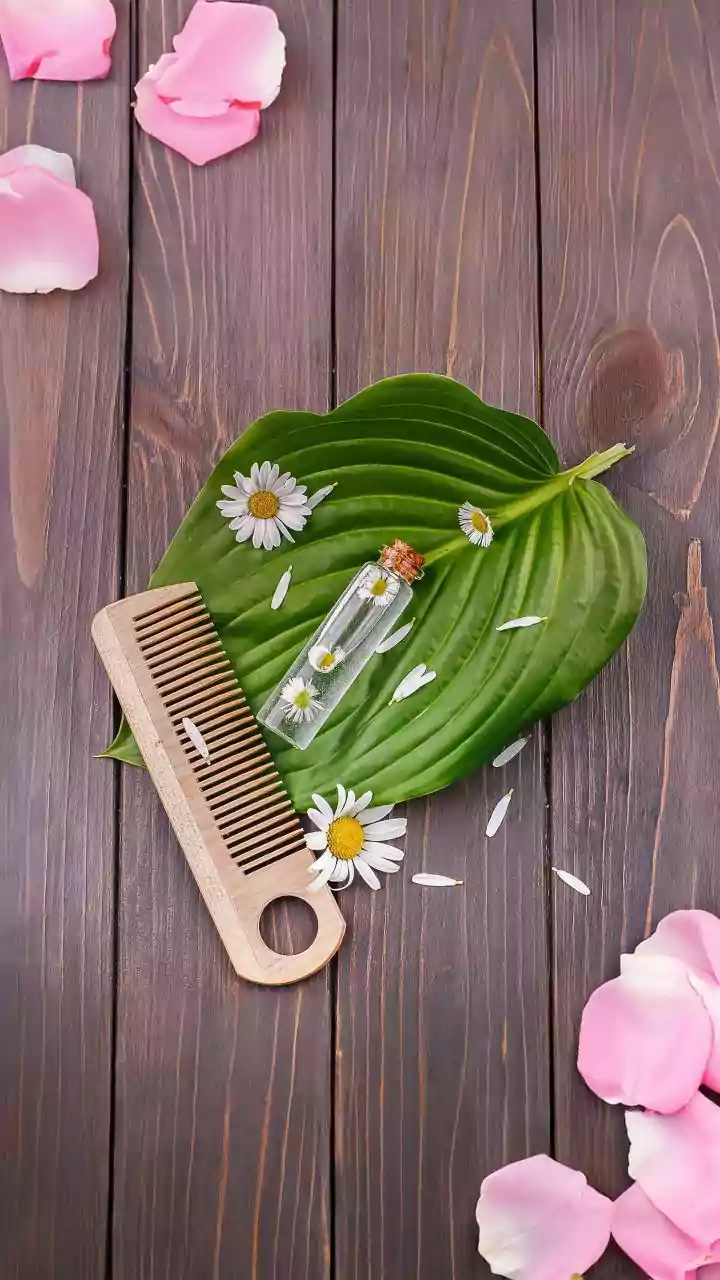
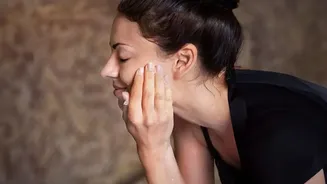
Long before modern conditioners and serums, the answer to hair woes in India has been the 'champi', or traditional head massage with warm, herb-infused oils. This age-old Ayurvedic practice is more than just a relaxing ritual; it's a therapeutic treatment for the scalp and hair. The massage itself boosts blood circulation to the follicles, delivering more nutrients and oxygen to promote healthy growth. The oils, steeped with the goodness of potent herbs, form a protective barrier that nourishes the hair shaft, strengthens roots, and balances the scalp.
Your Herbal Toolkit: The Star Ingredients
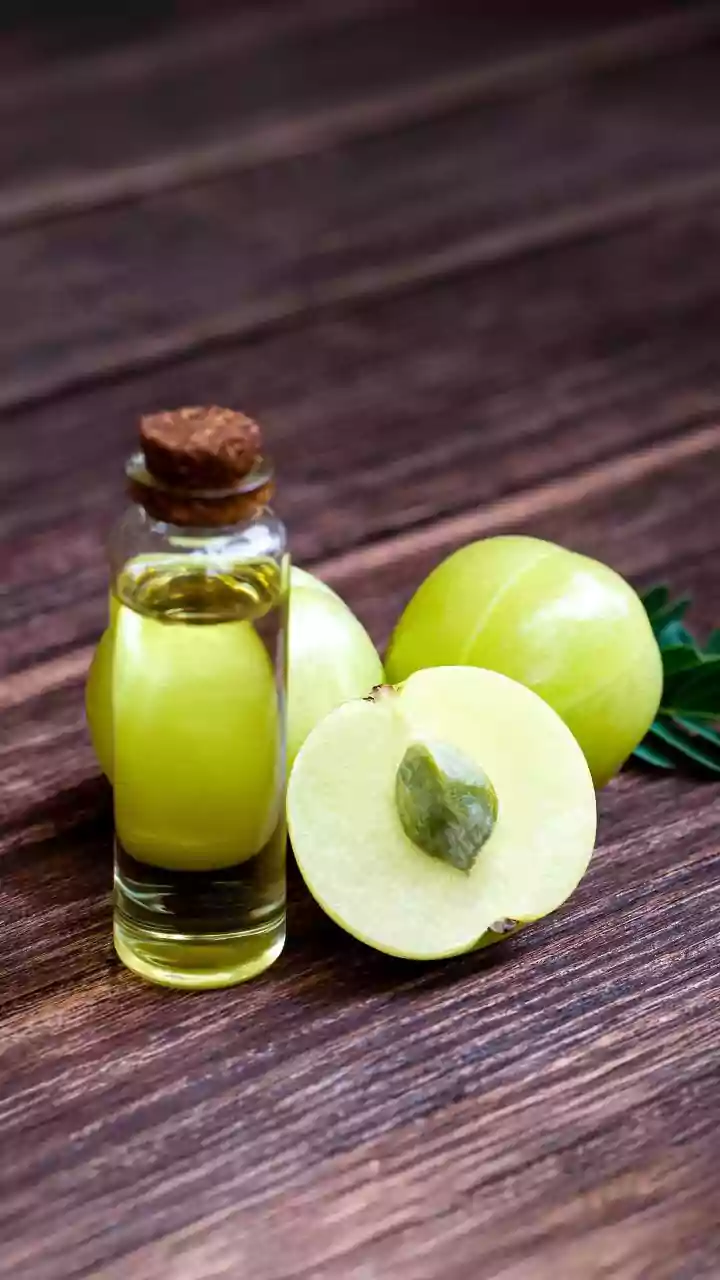
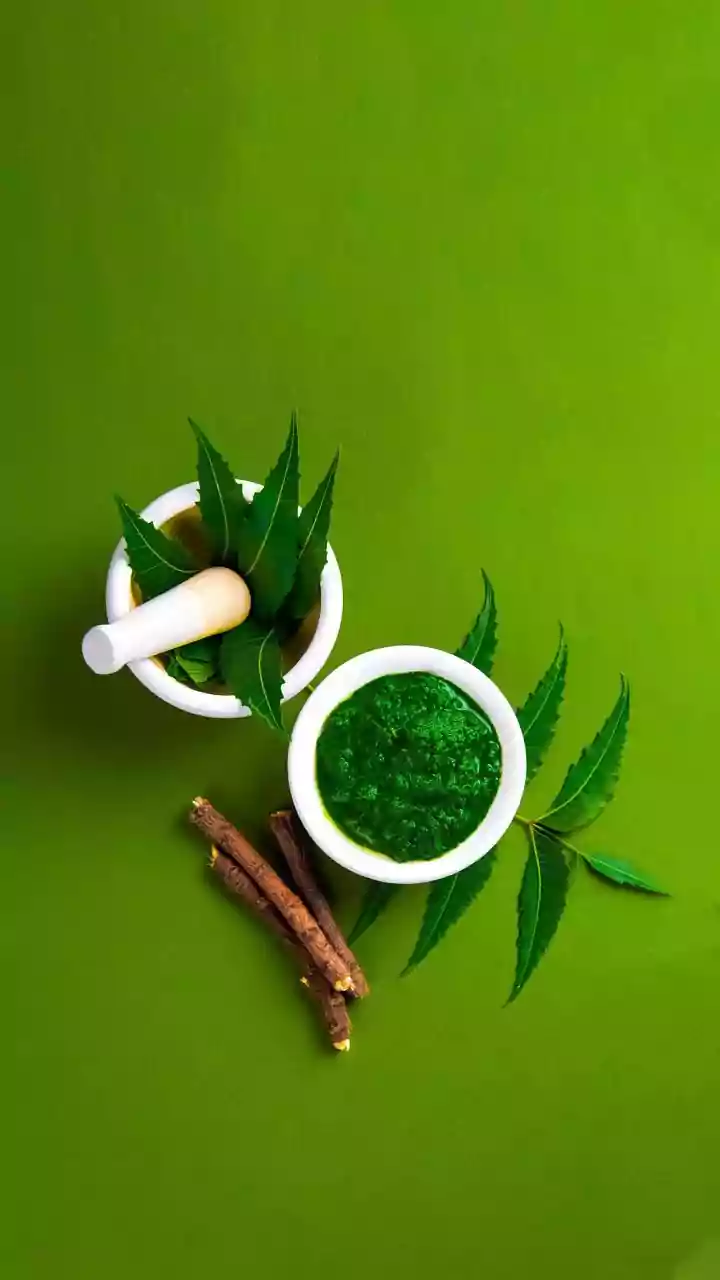
The effectiveness of these oils lies in their ingredients. A few key herbs are consistently celebrated in Ayurveda for their remarkable hair benefits: Amla (Indian Gooseberry): A powerhouse of Vitamin C and antioxidants, amla is known to strengthen hair follicles, support scalp health, and help maintain natural hair colour. Bhringraj (False Daisy): Often called the 'king of herbs' for hair, Bhringraj is revered for its ability to nourish the scalp and strengthen weak hair, thereby supporting healthy growth. Hibiscus: The flowers and leaves of the hibiscus plant are natural conditioners. They help combat dryness, smoothen the hair shaft to reduce frizz, and add a brilliant shine. Neem: With its potent antifungal and antibacterial properties, neem is excellent for maintaining scalp health, purifying follicles, and addressing issues like dandruff and itchiness that can worsen in the damp monsoon weather.
Crafting Your Own Liquid Gold
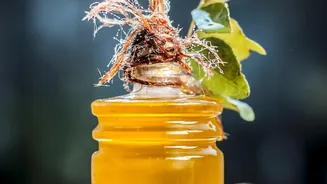
Making your own herbal oil is simpler than you might think. A basic infusion is a great place to start. You will need a base oil and your chosen herbs. Base Oil: Cold-pressed coconut oil is a fantastic choice as its molecular structure allows it to penetrate the hair shaft effectively, reducing protein loss. Sesame or castor oil are also excellent alternatives. Herbs: You can use dried powders or fresh/dried leaves and flowers. A common blend includes Amla powder, Bhringraj powder, dried Hibiscus flowers, and a few Curry leaves. Method: Gently warm about 200ml of your chosen base oil in a pan on a low flame. Do not let it boil. Stir in a tablespoon of each herbal powder. Let it simmer for 5-10 minutes until the oil becomes fragrant and slightly changes colour. Turn off the heat and let it cool completely. Once cool, strain the oil through a fine cloth or sieve into a clean, dry glass bottle for storage.
The Art of Application for Maximum Benefit
For best results, warm the herbal oil slightly before use. Part your hair and apply the oil directly to the scalp using your fingertips or a cotton ball. Once the entire scalp is covered, massage gently in circular motions for 10-15 minutes. This stimulates blood flow and ensures the oil penetrates deep into the roots. After the scalp massage, work the remaining oil through the length of your hair, paying special attention to the ends, which are often the driest. Leave the oil on for at least an hour, or even overnight for a deep conditioning treatment, before washing it off with a mild, herbal shampoo. A weekly champi ritual can make a world of difference.