
A Fragile Underwater Paradise
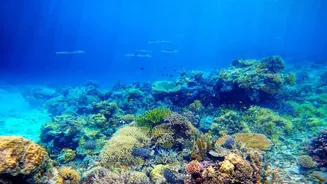
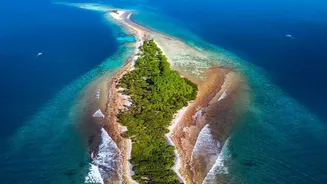
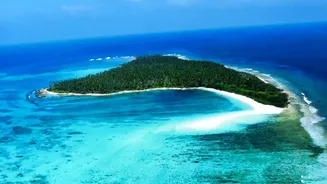
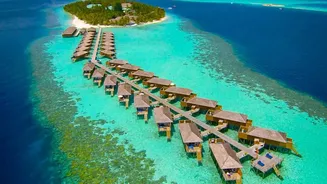
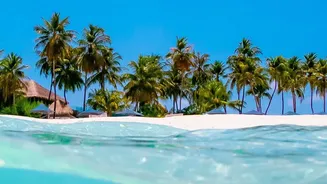
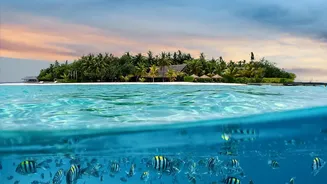
Lakshadweep, an archipelago of 36 coral atolls in the Arabian Sea, is a world away from the mainland. Its true identity lies beneath the waves. The islands are built upon and protected by extensive coral reef systems that create calm, shallow lagoons
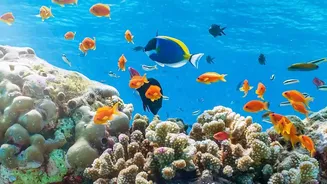
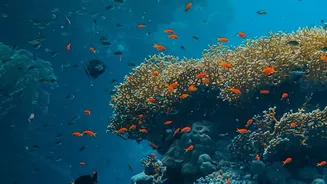
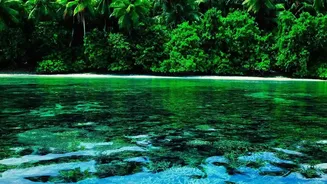
in stunning shades of blue. These reefs are not just beautiful; they are vital, acting as natural barriers against wave erosion and supporting an incredible array of life. They provide shelter, breeding grounds, and feeding areas for hundreds of fish species, endangered sea turtles, and countless other marine organisms. However, this ecosystem is extremely delicate. Like reefs worldwide, it faces threats from climate change, including rising sea temperatures that cause coral bleaching. But local pressures from pollution and physical damage can be just as devastating, making protective measures essential for its survival.
The Blueprint for Preservation
Recognizing the fragility of its greatest asset, the Lakshadweep administration has implemented a suite of strict protocols for visitors and residents. At the forefront of these is controlled tourism through a mandatory entry permit system. Unlike many destinations, Lakshadweep limits the number of visitors to manage the ecological footprint and prevent the pressures of over-tourism. Another cornerstone of its environmental policy is a complete ban on single-use plastics. Visitors are educated before they even arrive about the ban and encouraged to bring reusable alternatives to prevent plastic debris from polluting the pristine lagoons and harming marine life. These regulations are part of a broader vision for eco-tourism that aims to balance economic activity with conservation.
How Protocols Translate to Protection
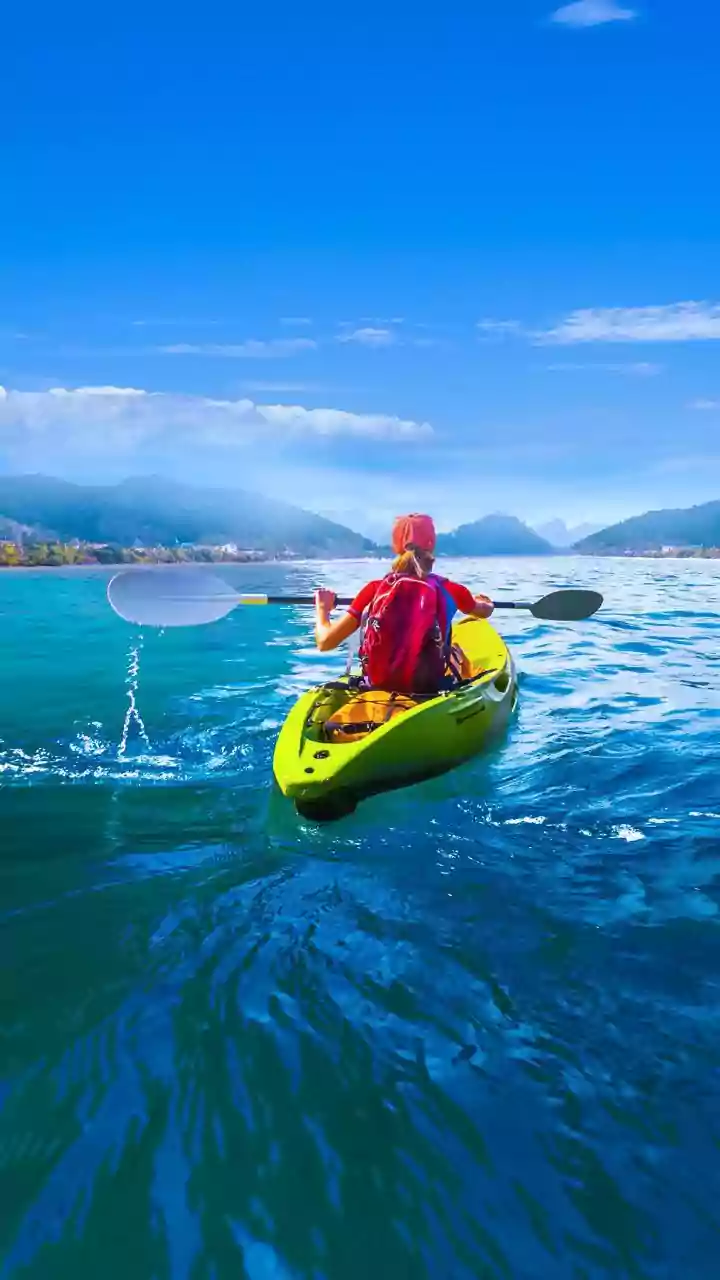
These rules have a direct and measurable impact on marine biodiversity. Limiting tourist numbers reduces everything from sewage output to physical stress on the reefs. The ban on plastics directly combats a major killer of marine animals like sea turtles, which can mistake floating plastic for food. Furthermore, there are strict guidelines for water sports. Activities like snorkeling and scuba diving are carefully managed. For instance, tourists are instructed not to touch or stand on corals, as the delicate polyps can be killed by a single touch. In some areas, like the famous Kalpeni island, motorized water sports are banned entirely to prevent fuel pollution and physical damage, promoting quieter activities like kayaking and guided snorkeling instead. This ensures that admiration of the reef does not lead to its destruction.
A Community Committed to Conservation
These protective measures are not just top-down regulations; they are deeply integrated into the community. Local residents are active partners in conservation. The Lakshadweep Marine Research and Conservation Centre (LMRCC), founded by a group of young islanders, plays a key role in community-based marine conservation, focusing on sea turtle protection and environmental education. Local guides and dive masters are trained to enforce responsible tourism practices, educating visitors on the importance of the ecosystem. This sense of local stewardship is arguably the most powerful tool in Lakshadweep's conservation arsenal, creating a culture where protecting the environment is a shared responsibility.
Hope for the Reefs
Despite global threats like mass coral bleaching events that have affected the region, these conservation efforts offer a beacon of hope. While some areas have seen declines in coral cover over the past decades due to marine heatwaves, the comprehensive management strategies give the reefs a fighting chance to recover during cooler periods. In early 2026, scientists even discovered a new, thriving stretch of coral reef near Kalpeni island, highlighting that resilient pockets of biodiversity persist. Such discoveries underscore the importance of minimizing local human pressures. By creating the best possible conditions for natural recovery, Lakshadweep’s protocols provide a model for how to protect vulnerable marine ecosystems in a changing world.