


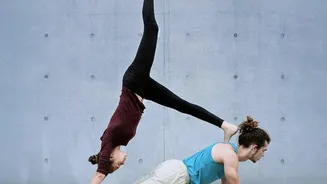
The World of Dance: Freedom and Form
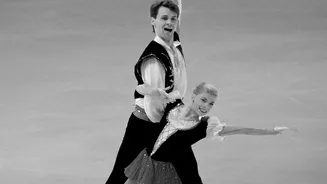
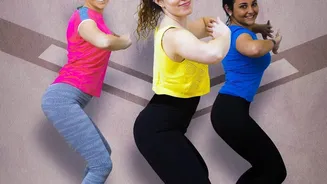
The equipment needed for dancing is as diverse as the art form itself. For many styles, like contemporary or certain street dances, the primary instrument is simply the dancer's body, and gear is minimal. Comfortable, breathable clothing that allows for a full
range of motion is the main priority. However, other genres require highly specialised items. Ballet, for instance, calls for leotards and tights so instructors can see a dancer's alignment, along with specific footwear like soft slippers or pointe shoes for advanced work. Hip-hop often embraces looser clothing, but sneakers with good support are crucial. Ballroom dancing requires specific shoes with suede soles that allow for smooth glides and turns, which are essential for partner work.
The Machinery of Rowing: Power and Precision
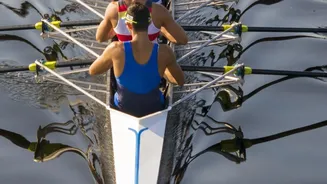
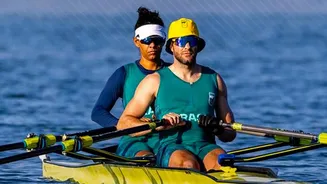
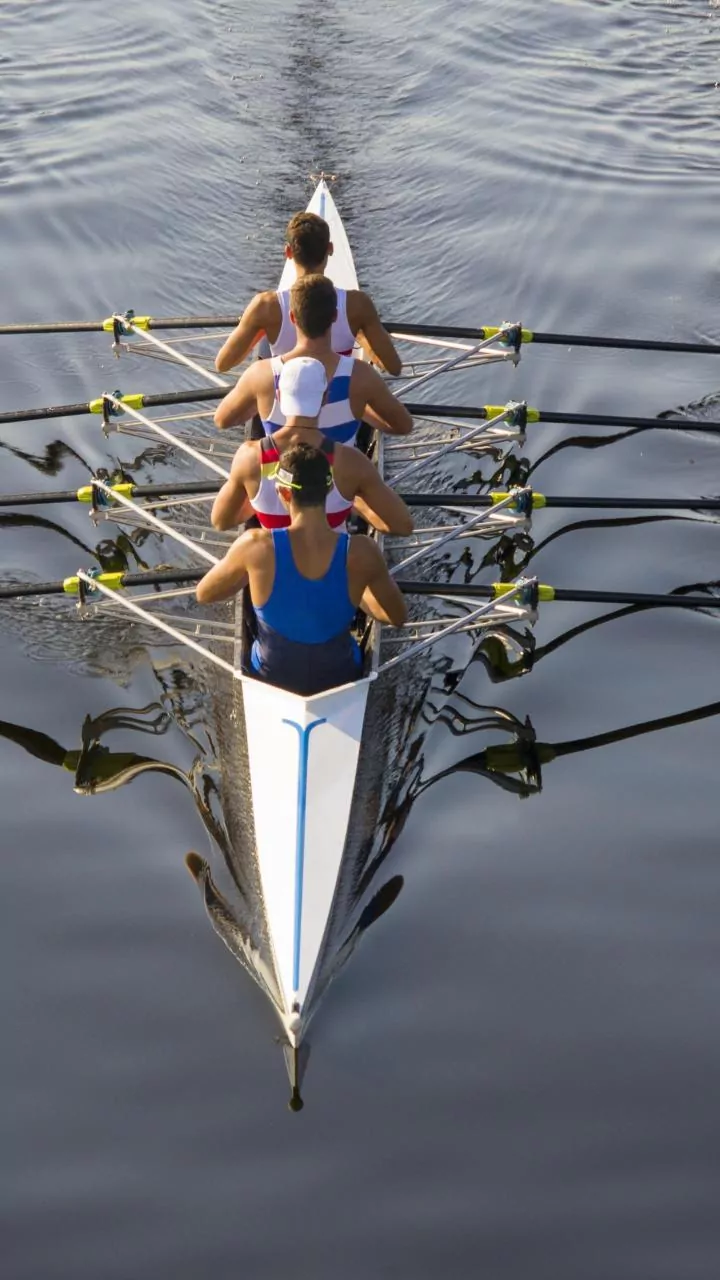
Unlike dancing, rowing is fundamentally equipment-dependent. The most crucial pieces of gear are the boat, known as a shell, and the oars. These items are highly specialised and expensive; a competitive single shell can cost thousands of dollars, while an eight-person shell can be upwards of $25,000. Shells are long, narrow, and made of lightweight materials like carbon fibre to maximize speed. Beyond the boat itself, rowers require specific apparel. The most iconic piece is the 'unisuit', a one-piece, form-fitting garment designed to prevent loose fabric from getting caught in the sliding seat or oar handles during the repetitive, powerful motion of a stroke. This clothing is made from moisture-wicking materials to manage sweat and can be layered for warmth and protection from the elements.
Footwear: Connection vs. Power Transfer
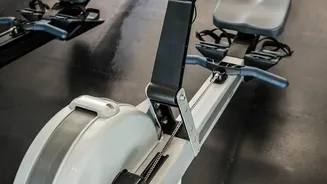
The difference between the two activities is perfectly captured in their footwear. Dance shoes are all about connection to the floor and articulation. Ballet slippers are soft and flexible to allow the dancer to feel the ground and point their feet, while tap shoes are instruments themselves, designed with metal plates to create rhythm. In contrast, a rower's shoes are often bolted into the boat's foot-stretcher. Their purpose is not to feel the 'ground' but to provide a stable platform for transferring the immense power generated by the legs into the oar and through the water. The shoe is part of the machine, ensuring that no energy is lost.
Apparel: Expression vs. Pure Function
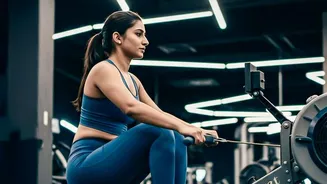
Dance apparel often balances function with aesthetics. Clothing must allow for complete freedom of movement, but it can also be part of the performance and expression. For beginners in many dance classes, simple, stretchy athletic wear is perfectly acceptable. Rowing apparel, on the other hand, is almost entirely about function and safety. Loose-fitting clothes are a genuine hazard, as a shirt tail or baggy shorts can get caught in the slides of the seat, bringing the rower to a dangerous halt. The tight-fitting unisuit is a uniform of pure utility, designed to be aerodynamic, prevent chafing, and eliminate any risk of snags.
Cost of Entry: Getting Started
The financial barrier to entry highlights another key difference. A beginner can start many forms of dance with little more than comfortable clothes and socks or bare feet. Even when specific shoes are required, they are a relatively modest investment. Specialised training tools like resistance bands or foam rollers are also affordable. Rowing, particularly on the water, has a much higher cost of entry for an individual. The price of a personal shell and oars is significant. For this reason, most people begin rowing through a club, which spreads the cost of boats, oars, and boathouse maintenance among their members through annual fees.