




What is Dopamine Decor, Really?
First, let's demystify the term. 'Dopamine decor' is a catchy name for a simple, psychologically-backed concept: designing your space with things that bring you joy and stimulate positive feelings. Dopamine is a neurotransmitter linked to pleasure and reward.
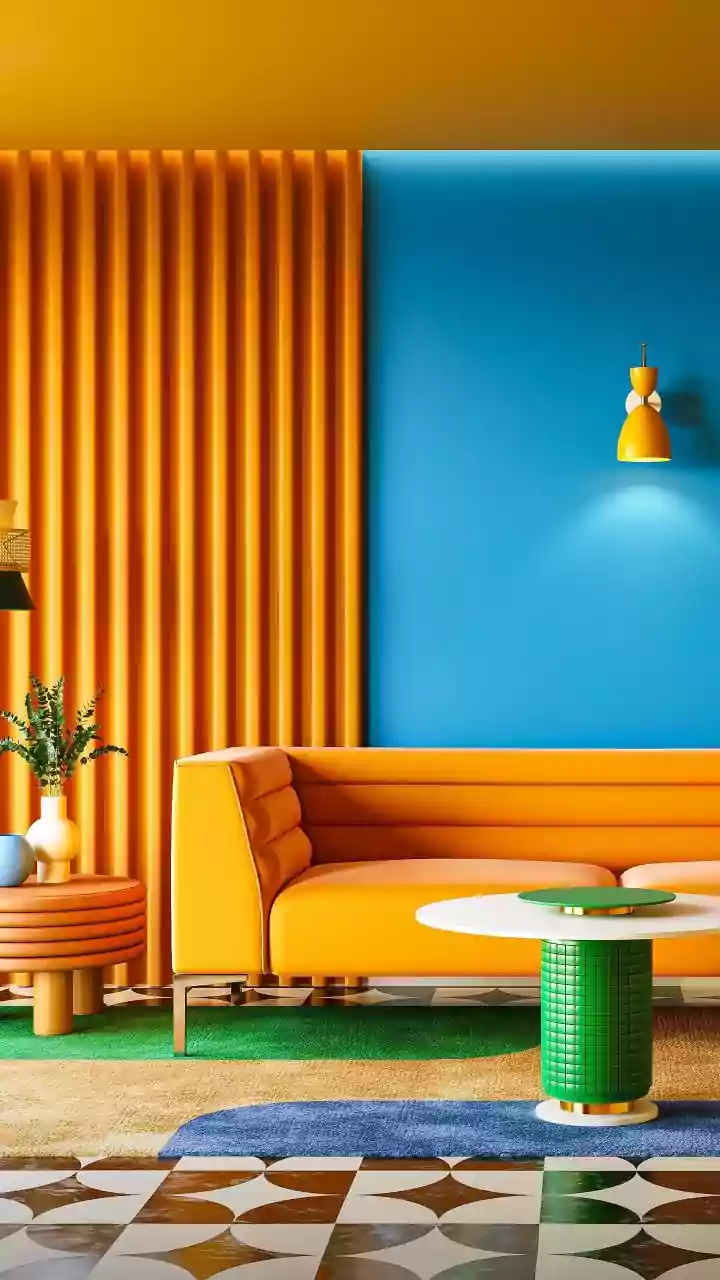
The idea is that by surrounding yourself with specific colours, textures, and objects, you can create an environment that gives you a little mental lift. It’s less about following a rigid style guide and more about curating a personal sanctuary. The mistake many make is thinking this requires loud colours on every wall or buying a whole new set of furniture. In reality, it’s about intentionality, not intensity.
1. Start with Small Bursts of Colour
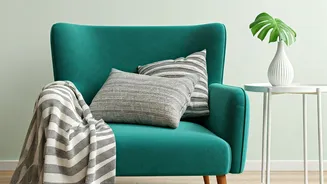
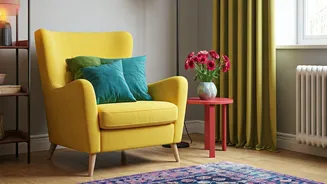
You don't need to paint a whole room bright yellow to feel the effects of colour psychology. The human eye is drawn to contrast and vibrancy, and even small doses can have an outsized impact. Think about low-commitment, high-impact items. A set of colourful coasters on your coffee table, a vibrant new throw blanket draped over your neutral sofa, or even a bold art print in an otherwise plain hallway. Kitchens are a great place to play with this: consider a bright red kettle, a set of mismatched, colourful mugs, or a cheerful fruit bowl. These small pops of colour act as visual 'rewards' that your brain registers throughout the day, providing a subtle but consistent mood boost.
2. Curate a 'Joy Shelf' or Corner
Instead of redoing an entire room, dedicate one small area to pure, unadulterated joy. This could be a single shelf on a bookcase, the top of a dresser, or a small side table. The rule is simple: this space is only for things that make you smile. Forget what 'should' go there. Fill it with souvenirs from a favourite trip, a funny ceramic object you found at a market, photos of people you love, a plant that you've managed to keep alive, or a book with a beautiful cover. By concentrating your most meaningful items in one place, you create a powerful focal point. It becomes a destination within your home that you can glance at for an instant hit of happiness and nostalgia.
3. Engage Your Sense of Touch
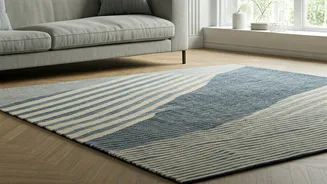
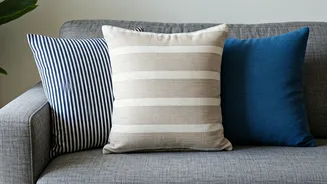
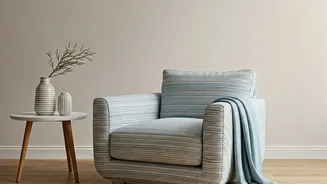
Dopamine decor isn’t just visual. Texture plays a huge role in how a space feels. Introducing varied textures can make a room feel richer, more comfortable, and more engaging. Think about the feeling of a chunky knit blanket, a soft velvet cushion, the smoothness of a ceramic vase, or the natural grain of a wooden board. A plush rug underfoot can completely change the feeling of a room from stark to cosy. You can do this affordably by swapping out cushion covers, adding a small sheepskin throw to a chair, or placing a woven basket in a corner to hold magazines. These tactile elements invite you to interact with your space, making it feel less like a showroom and more like a home.
4. Play with Scent and Light
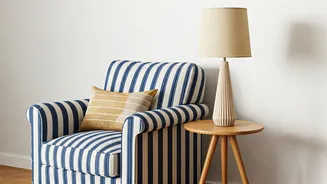
The fastest way to change the mood of a room is with scent and light. Our sense of smell is powerfully linked to memory and emotion. A diffuser with an uplifting citrus oil or a candle with a calming lavender scent can instantly alter the atmosphere. Beyond scent, take a look at your lighting. Harsh, overhead lighting can create a sterile or stressful environment. The solution doesn't have to be an expensive new fixture. Instead, add a floor lamp with a warm-toned bulb for a cosy reading nook, or place a small table lamp on a console to create a welcoming glow in the evening. This 'layered lighting' approach gives you control over the mood and makes your space feel more dynamic and inviting.
5. Celebrate Your Personal Story
Ultimately, the most potent source of dopamine in your decor is you. Your home should tell your story. Don't hide away the 'imperfect' things that have meaning. Frame your child’s first drawing. Display the quirky coffee mug you got as a gift. Let your hobbies be visible—stack your favourite books on a side table instead of hiding them away. A home filled with personal history, inside jokes, and markers of your journey is a home that constantly reaffirms who you are. This isn't about creating clutter; it's about intentional display. When an object has a story, it’s not just an item—it's a piece of your life that deserves a place of honour.