

Understanding Your Gut Microbiome
Think of your gut as a bustling metropolis inside you, home to trillions of microorganisms like bacteria, viruses, and fungi. This entire community is called the gut microbiome. For a long time, we thought of bacteria as purely harmful, but we now know
most of these tiny residents are crucial for our health. They help break down food, extract essential nutrients, regulate our immune system, and can even influence our mood. A healthy gut is marked by a wide variety of these beneficial microbes, and a lack of diversity has been linked to various health issues. Keeping this internal ecosystem balanced and diverse is a cornerstone of modern wellness.
The Fermentation Connection
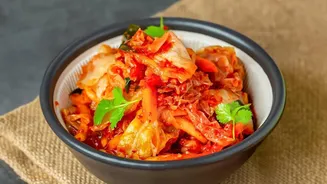
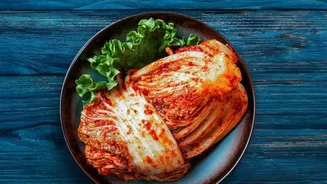
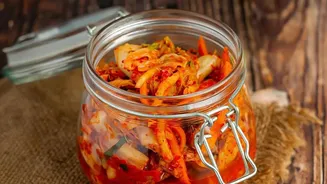
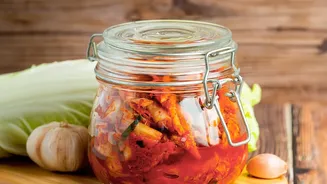
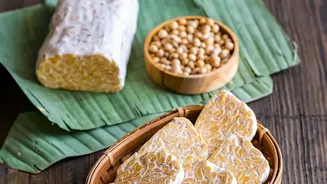
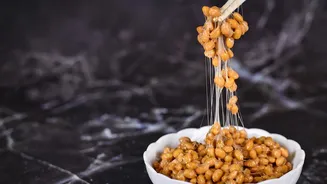
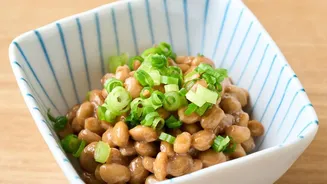
So, where do fermented foods fit in? Fermentation is an ancient technique used to preserve food, where microorganisms like bacteria and yeast break down sugars and starches. This process not only extends shelf life but also transforms the food itself, creating unique flavours and, most importantly, a host of beneficial components. When we talk about improving gut health through diet, fermented foods are a natural starting point because they are, by their very nature, products of microbial activity. They offer a direct way to introduce beneficial elements to our internal ecosystem.
A Source of Probiotics
The most well-known benefit of fermented foods is their role as a source of probiotics. Probiotics are live, beneficial bacteria that, when consumed, can help maintain or improve the balance of 'good' bacteria in your gut. These live microorganisms can help crowd out harmful microbes, support digestion, and strengthen the intestinal barrier. A diet rich in fermented foods has been shown to increase the overall diversity of gut microbes and decrease molecular signs of inflammation. Essentially, eating these foods is like sending reinforcements to support the friendly troops already stationed in your gut.
Beyond Probiotics: The Whole Package
The benefits don't stop at probiotics. Fermented foods also offer prebiotics and postbiotics. Prebiotics are types of fibre that our bodies can't digest but serve as food for our beneficial gut bacteria, helping them thrive. Postbiotics are the healthful byproducts created by bacteria during the fermentation process, such as organic acids and vitamins like B and K. These compounds can directly interact with your immune cells and gut lining, offering benefits even if the live bacteria don't survive the journey through your digestive tract. Fermentation also breaks down compounds in food, making nutrients more available for your body to absorb and easier to digest.
An Indian Tradition of Gut Health
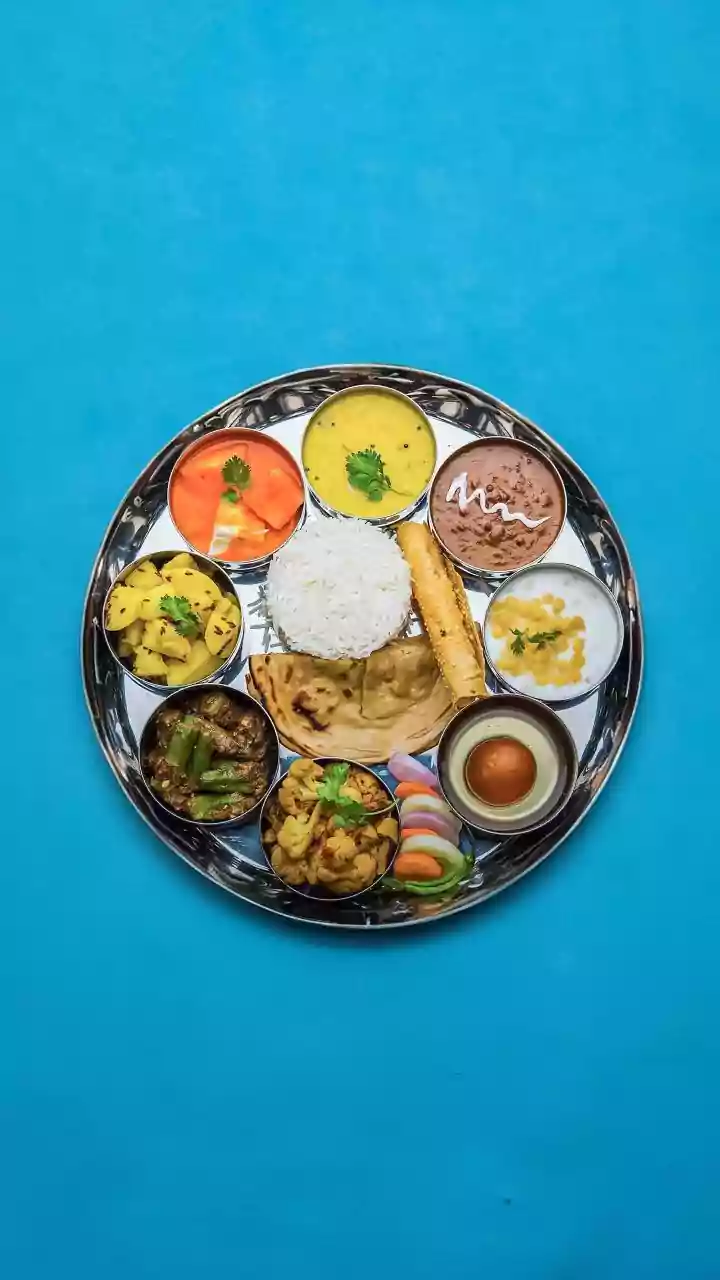
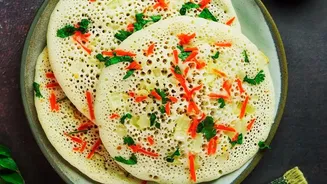
For many in India, eating fermented foods isn't a new wellness trend but a daily reality. Our cuisine is rich with traditional fermented foods that have been supporting gut health for centuries. Dahi (curd) is perhaps the most common, a staple source of probiotics in Indian households. The batters for idli, dosa, and dhokla are fermented, which not only gives them their characteristic texture and taste but also makes them easier to digest. Other traditional examples include the tangy North Indian drink Kanji, made from fermented carrots, and regional specialities like Pakhala (fermented rice) and Gundruk (fermented leafy greens). These foods are a testament to our ancestors' intuitive understanding of digestive wellness.
A Note on Choosing Wisely
While fermented foods are beneficial, not all are created equal. Many commercial products, like some yogurts or pickles, are pasteurized or use vinegar instead of natural fermentation. Pasteurization kills the live and active cultures, removing the probiotic benefit. When shopping, look for terms like "live and active cultures" on labels, and prioritise products found in the refrigerated section. Similarly, traditional homemade pickles fermented with oil and sun are different from vinegar-based ones. As with anything, balance is key; even beneficial foods should be part of a varied and wholesome diet.