






The Perfect Storm of Traffic and Waterlogging
For anyone needing to catch a flight from Indira Gandhi International (IGI) Airport, the monsoon presents a formidable challenge before you even reach the terminal. Heavy downpours, a regular feature of Delhi's monsoon, frequently lead to severe waterlogging
on key arterial roads. Stretches like the Delhi-Gurugram Expressway, Ring Road, and areas around Mahipalpur and Dhaula Kuan, which are critical for airport access, often become choked with slow-moving traffic or come to a complete standstill. Just a short spell of intense rain can turn a one-hour journey into a multi-hour nightmare, as commuters have frequently reported. With the India Meteorological Department (IMD) issuing 'orange' and 'red' alerts for the city, predicting more heavy showers, this problem is expected to persist. The combination of inundated roads and peak-hour traffic creates a perfect storm of delays that can easily cause you to miss your flight.
Ripple Effects on Flight Operations
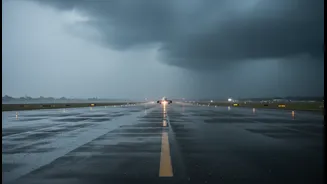
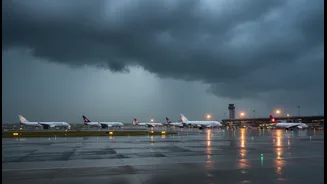
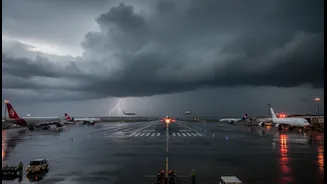
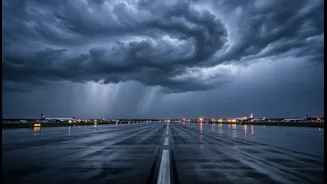
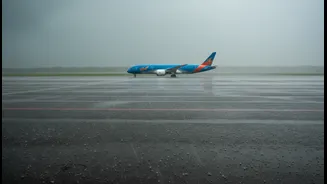
The chaos is not limited to the roads. Adverse weather conditions directly impact flight operations, leading to a cascade of disruptions. Major airlines, including IndiGo, Air India, and SpiceJet, have issued advisories this season, warning passengers of potential delays, diversions, and cancellations due to bad weather over Delhi. On some days, hundreds of flights have been delayed, and several have been diverted to nearby airports like Jaipur and Lucknow because of heavy rain and poor visibility. This means that even if you manage to navigate the traffic and reach the airport on time, your flight might not. The uncertainty underscores the need for passengers to stay constantly updated on their flight status.
Why More Buffer Time is Essential
The usual advice of arriving two hours early for a domestic flight and three for an international one simply doesn't hold up during Delhi's monsoon. Airlines have explicitly advised passengers to allow for extra travel time to the airport precisely because of rain-induced traffic congestion. This isn't just a suggestion; it's a critical piece of travel strategy. The time spent navigating waterlogged streets can be unpredictable. Adding at least an extra 90 minutes to two hours to your airport commute is a wise precaution. This buffer accounts for unforeseen traffic jams, vehicle breakdowns, and the slower pace of travel in general. Arriving at the airport significantly earlier might mean a longer wait, but it's a small price to pay to avoid the stress and financial loss of a missed flight.
Your Monsoon Airport Survival Guide
To navigate the challenges of airport travel during the Delhi monsoon, a proactive approach is key. First, leave for the airport much earlier than you normally would. Consider using the Delhi Metro's Airport Express Line, which is unaffected by road traffic and waterlogging, providing a reliable alternative to cabs or private cars. Before leaving, check the latest traffic updates on navigation apps and the flight status on your airline’s website or mobile app. Several airlines now send real-time updates via SMS or app notifications. Pack a small umbrella and a waterproof bag for your electronics, as you may have to navigate rainy patches. Finally, keep emergency contact numbers for your airline handy. While authorities are working on long-term solutions like improved drainage systems around the airport, these immediate practical steps are your best bet for a smoother journey.