



The New 'Cool' on the Menu
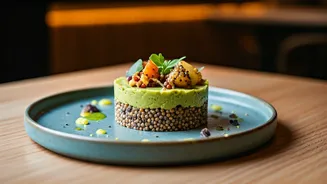
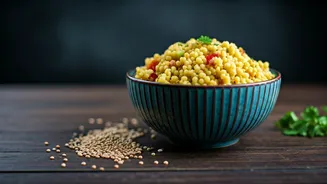
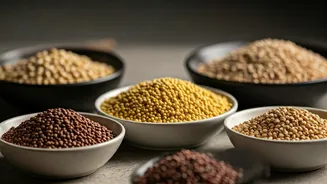
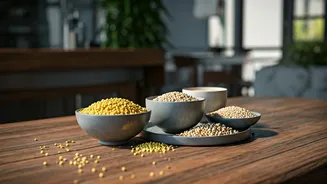
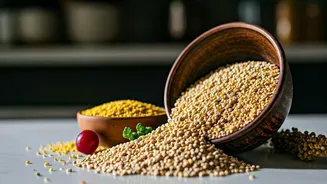
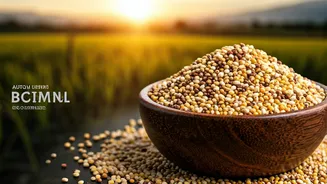
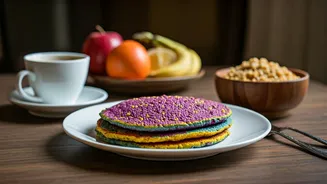
Walk into a chic cafe in any major Indian city today, and alongside avocado toast, you might find a ragi pancake stack or a jowar salad bowl. For generations, millets were sidelined, viewed as the food of a bygone era, steadily replaced by wheat and rice
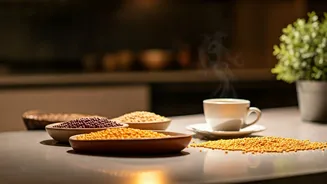
after the Green Revolution. Now, they are staging a remarkable return. This revival is being championed by an unlikely demographic: Gen Z. Driven by a desire for wellness and mindful eating, this generation is embracing millets not just as a health food but as a versatile culinary ingredient. Entrepreneurs are launching millet-based products, from cookies and snacks to ready-to-cook mixes, making them more accessible than ever. This trend was significantly boosted by initiatives like the International Year of Millets in 2023, which raised global awareness about these nutritious grains.
A Nutritional Powerhouse
So, what's behind the buzz? A key driver is health. Millets are a nutritional treasure trove, packed with protein, high dietary fibre, and essential minerals like iron, calcium, and magnesium. Unlike refined grains, they are naturally gluten-free, making them an excellent choice for those with gluten sensitivity. Furthermore, their low glycemic index helps in managing blood sugar levels, providing a steady release of energy that's ideal for a modern, fast-paced lifestyle. This impressive nutritional profile aligns perfectly with Gen Z's focus on foods that don't just fill them up but also contribute to their overall well-being, helping to prevent lifestyle diseases.
Eating for a Healthier Planet
For the climate-conscious Gen Z, food choices are often a reflection of their environmental values. Here, too, millets shine. These grains are famously resilient, often called 'miracle grains' for their ability to thrive in harsh conditions. They are drought-resistant, requiring significantly less water than rice and wheat, and can grow in poor soil with minimal need for chemical fertilisers or pesticides. By choosing millets, consumers are supporting sustainable agriculture that conserves water, promotes biodiversity, and reduces the carbon footprint of our food systems. This makes millets a powerful choice for anyone looking to eat in a way that’s better for both their body and the planet.
From Traditional Porridge to Modern Pizza
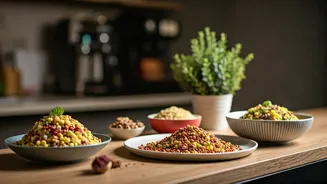
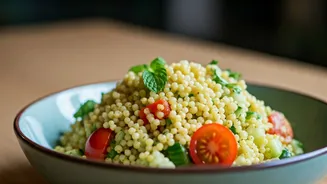
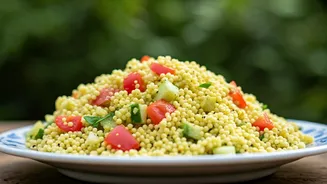
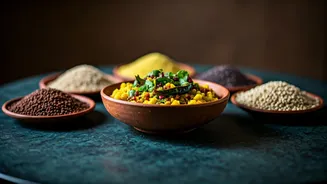
The true sign of millets' comeback is their incredible versatility in the modern kitchen. While traditionally used in porridges, rotis, and khichdi, today they are being transformed into an endless array of dishes. Home cooks and professional chefs are experimenting with millet flour to create everything from fluffy idlis and dosas to pancakes, pasta, and even pizza bases. Popped millet is being used as a crunchy topping for salads and smoothie bowls, while millet flakes are a great alternative to oats for a quick breakfast. This culinary creativity is breaking the stereotype of millets as bland or difficult to cook, proving that these ancient grains can be both delicious and exciting.