






The Problem with Dry Dough
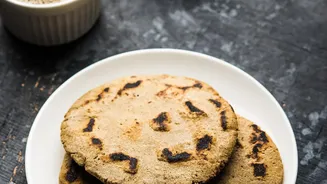
When your roti dough is too dry, it’s a recipe for disappointment. A lack of sufficient water makes the dough stiff and difficult to knead. More importantly, it directly impacts the final texture of the cooked roti. A dry dough doesn't have enough moisture
to properly hydrate the proteins in the wheat flour, specifically gluten. This results in a dough that lacks elasticity and structure. When you try to roll it, it might crack at the edges, and when cooked, it turns dense and hard instead of light and pliable. The simple reason is that there isn't enough internal moisture to create the steam needed for the roti to puff up.
The Science of Softness: Hydration is Key
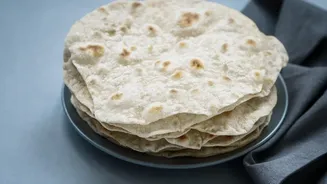
The magic of a soft roti is all about hydration. Water plays two crucial roles. First, it activates the gluten proteins in the atta (whole wheat flour). When properly hydrated and kneaded, these proteins form a strong, elastic network that gives the dough its structure. A well-hydrated dough is smooth, pliable, and easy to roll without tearing. Second, the water trapped within this gluten network turns into steam when the roti hits the hot tawa. This steam is what causes the roti to puff up into a beautiful, airy sphere, creating delicate layers and a soft texture. If the dough is too dry, the gluten network is underdeveloped and there's not enough water to create that puffing action.
Getting the Water Right
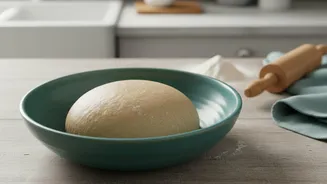
The most common mistake is adding too little water or adding it all at once. The key is to add water gradually. Start with about two-thirds of the water and begin mixing. As the flour absorbs the liquid, continue adding small amounts until the dough just comes together. A helpful tip from experts is to use lukewarm water. Warm water helps the flour absorb moisture more effectively and relaxes the gluten, making the dough softer and easier to handle from the start. The goal is a dough that is soft and pliable, slightly tacky to the touch but not so sticky that it clings to your hands and the bowl.
The Art of Kneading and Resting
Once you have the hydration, kneading is what develops the gluten structure. Knead the dough for at least 8-10 minutes. Use the heel of your hand to push the dough away from you, then fold it back and repeat. You are aiming for a smooth, elastic ball of dough. If you press a finger into it, the indentation should spring back slowly. Equally crucial is the resting period. After kneading, cover the dough with a damp cloth or a lid and let it rest for at least 20-30 minutes. This allows the flour to fully absorb the water, and the gluten strands to relax, making the dough much easier to roll and ensuring a softer, more tender roti.
From Dough to Tawa: Final Tips
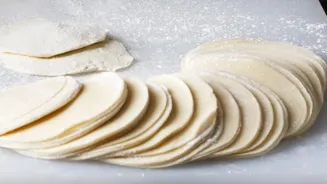
Even with the perfect dough, a few final missteps can affect the texture. When rolling, use only a light dusting of dry flour to prevent sticking. Using too much dry flour will be absorbed by the dough, making the roti tougher. Ensure you roll the roti evenly; uneven thickness leads to uneven cooking. Finally, make sure your tawa (griddle) is preheated to a medium-high temperature. A hot surface cooks the roti quickly, trapping the steam inside and causing it to puff. If the tawa is too cool, the roti will cook slowly, lose moisture, and become hard.