



From Side Dish to Main Course
For generations, travel in India was defined by destinations—hill stations, temples, beaches, and historical forts. Food was something you ate along the way, often a generic version of a widely known dish. But a significant shift is underway. Culinary
tourism has emerged as a powerful force, with travellers increasingly planning their entire itineraries around gastronomic adventures. According to recent industry reports, a substantial number of Indian travellers now consider a destination's food culture a primary factor in their decision-making. This evolution marks a move from incidental eating to intentional tasting, where the journey's success is measured in memorable meals, not just miles covered.
The Social Media Effect
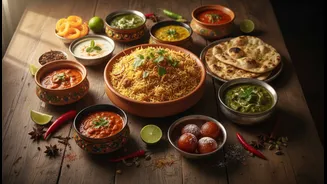
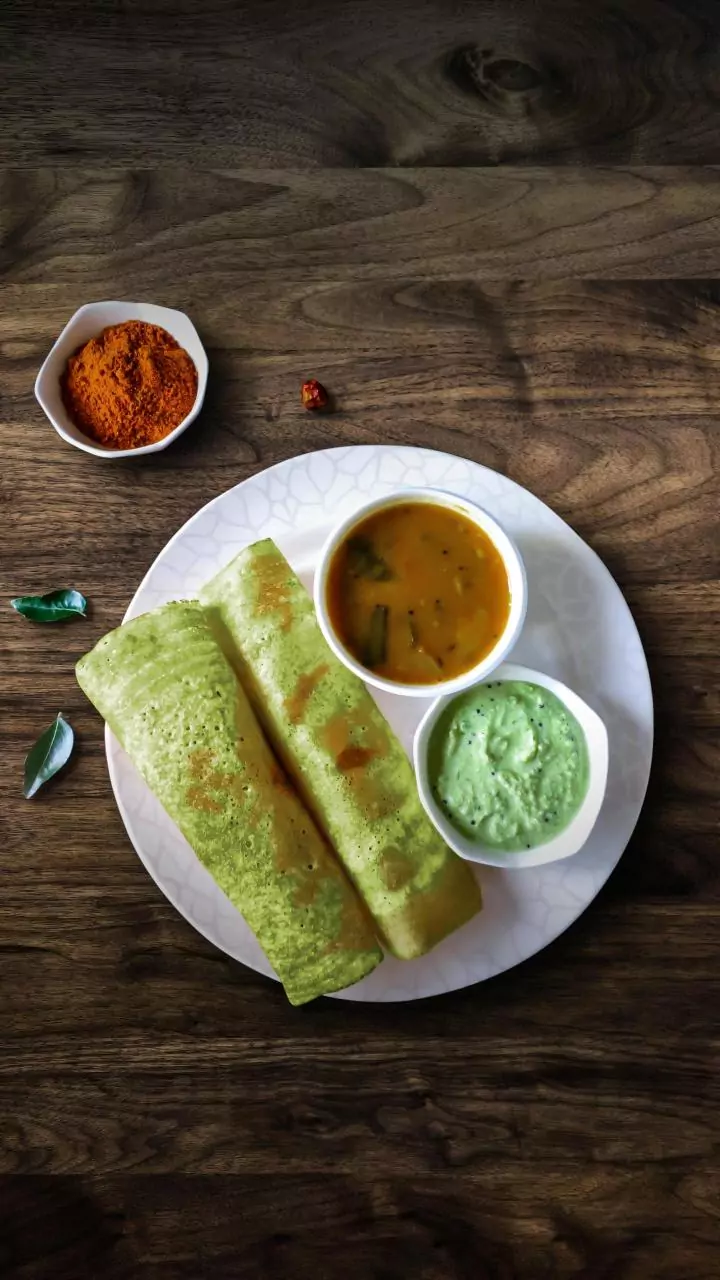
This rising trend is heavily fuelled by the vibrant world of social media. Platforms like Instagram and YouTube have turned regional and even hyper-local dishes into viral sensations. Food bloggers and travel vloggers now act as digital guides, showcasing hidden culinary gems and creating a sense of urgency to experience them firsthand. A visually stunning post of a perfectly layered Hyderabadi biryani or a video of a street vendor expertly flipping a dosa can inspire an entire trip. This digital word-of-mouth has been pivotal in highlighting the country's vast culinary diversity and encouraging travellers, especially younger demographics like millennials and Gen Z, to seek out these photogenic and flavourful experiences.
Beyond Butter Chicken and Biryani
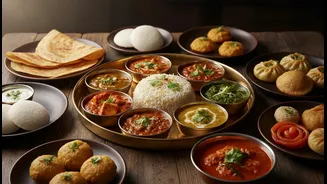
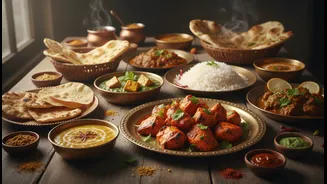
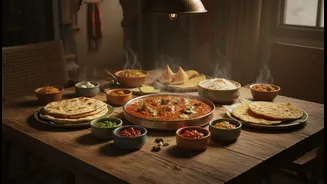
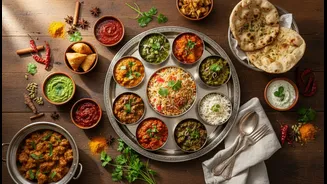
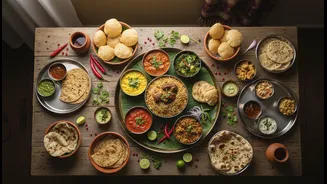
While classics like butter chicken remain popular, the modern food traveller is digging deeper. There's a growing appetite for authenticity and a desire to explore the nuances of India's diverse food map. This means travelling to Lucknow for its delicate Nawabi kebabs, exploring the coastal seafood of Kerala, or heading to Amritsar for the definitive kulcha. The focus is on regional specialties that tell a story about a place's history, geography, and culture. From the vegetarian thalis of Rajasthan to the distinct sweets of Bengal, travellers are seeking experiences that go beyond the pan-Indian menus found in most city restaurants. This quest for authenticity is redefining what it means to taste India.
The New Food-Focused Itinerary
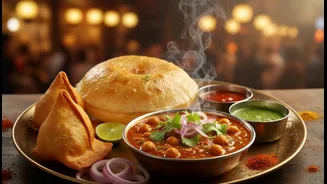
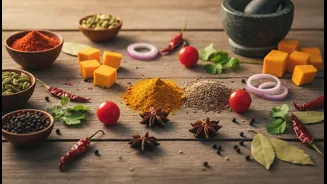
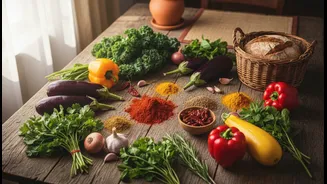
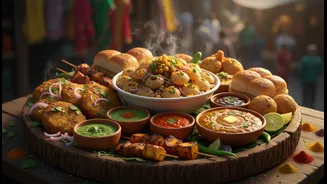
So, what does a food-centric trip look like? It's far more immersive than just hopping between restaurants. Today's itineraries often include guided street food walks through the bustling lanes of Old Delhi or Mumbai, allowing travellers to sample iconic snacks like vada pav and chaat from vendors who have perfected their recipes over generations. Many are also signing up for cooking classes to learn the secrets behind regional dishes, or visiting spice plantations in Goa and Kerala to understand the ingredients at their source. Even accommodation choices are being influenced by food, with travellers opting for homestays that offer authentic home-cooked meals or heritage hotels that provide royal dining experiences. These activities transform a holiday into a delicious educational journey.
An Appetite for Experience
Ultimately, this trend is about more than just satisfying hunger; it's about a hunger for experience. Food offers a direct and accessible connection to a local culture. Sharing a meal, learning a recipe, or navigating a crowded food market creates memories that often last longer than a photo in front of a monument. For a growing number of Indian travellers, food has become the most rewarding way to explore the country's rich cultural tapestry. The India culinary tourism market, valued at over USD 110 billion in 2025, is projected to grow significantly, proving this is not a passing fad but a fundamental change in how India travels. The main attraction is no longer just a place on a map, but a flavour on the palate.