




Physical Card vs. Digital e-PAN
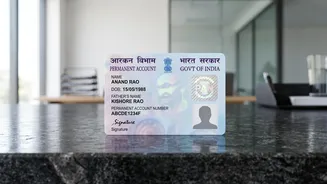
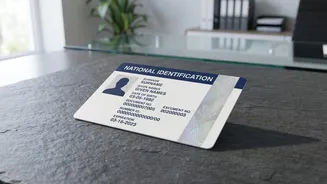
A Permanent Account Number (PAN) is a unique ten-digit alphanumeric identifier crucial for almost all financial transactions in India. When you need a reissue, you have two primary options. The first is the traditional physical card, a laminated document
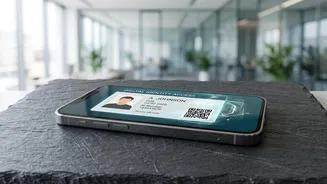
sent to your postal address. The second is the e-PAN, a digitally signed, password-protected PDF version of your card that is delivered to your email. The Income Tax Department considers the e-PAN a fully valid and legal document for virtually all purposes, including bank account openings, KYC verification, and filing tax returns. The key difference lies in the format and delivery method, which directly impacts the cost and speed of receiving your reissued PAN.
Breaking Down the Reissue Costs
The most compelling reason to choose a digital-only option is the cost. If you need to reprint your existing PAN card without any changes to your details, the fee for a physical card dispatched within India is ₹50. In contrast, if you opt for just an e-PAN, the process is often cheaper and sometimes even free. If your PAN was allotted or updated within the last 30 days, you can typically download the e-PAN for free from the portal (Protean or UTIITSL) through which it was processed. After this initial period, a fee of approximately ₹8.26 is charged for each e-PAN download. If you need to make corrections to your PAN data and get a new card, the fees are different. A physical card with corrected details costs around ₹101 to ₹107 for an Indian address, while an e-PAN with corrections is priced lower, at about ₹66 to ₹72. Opting for the digital version for a simple reissue or a correction can result in significant savings.
How to Apply for a PAN Reissue
The process for requesting a reissue is straightforward and can be completed entirely online. You will need to visit one of the two official portals authorised by the Income Tax Department: Protean (formerly NSDL e-Governance) or UTIITSL. First, determine which portal processed your original PAN, as you generally need to use the same one for a reissue. Both websites have a 'Reprint of PAN Card' section. You'll be asked to provide your PAN, Aadhaar number, and date of birth. The system will then use an OTP sent to your Aadhaar-registered mobile number to verify your identity. After authentication, you can proceed to payment. If you only require the e-PAN, you can use the 'Download e-PAN' facility. The digital copy is usually sent to your registered email address almost instantly or within a few hours, whereas a physical card will take several business days to arrive by post.
Is the e-PAN Sufficient for Your Needs?
For the vast majority of transactions in today's digital economy, an e-PAN is perfectly adequate. It is accepted for filing income tax returns, completing KYC with banks and financial institutions, applying for loans, and making investments. The QR code on the e-PAN allows for quick digital verification. However, there might be rare instances where a specific government office or a legacy institution may still insist on seeing a physical card. If you frequently deal with such entities or simply prefer having a tangible document in your wallet, paying the extra amount for a physical reprint might be worthwhile. For most people, especially those comfortable with digital documents, the e-PAN offers a faster, more convenient, and cost-effective solution. It eliminates the risk of postal delays or loss and can be securely stored on your phone or computer for easy access.