




The Land of Mowgli via Nagpur
Pench National Park, the original setting for Rudyard Kipling’s “The Jungle Book,” is a sprawling sanctuary of teak forests and winding rivers. It’s a prime habitat for the Royal Bengal Tiger, but also home to leopards, wild dogs (dholes), and a rich
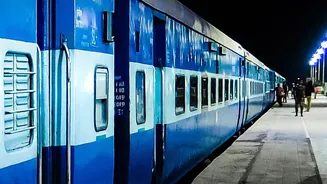
variety of birdlife. The most practical way to reach Pench is by an overnight train to Nagpur, which is a major railway hub with connections from across India. From Delhi, Mumbai, or Kolkata, numerous express and mail trains complete the journey overnight. Upon arrival in Nagpur, the park's main Turia gate is about a three-hour drive away. You can hire a pre-paid taxi from the station or arrange a pickup with your resort. For a true budget experience, local buses are available from Nagpur to Khawasa, which is just 12 km from the park gate.
Tiger Capital via Chandrapur
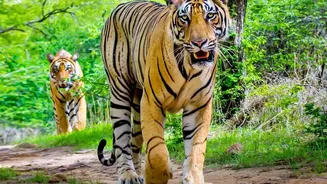
Tadoba-Andhari Tiger Reserve in Maharashtra has earned a formidable reputation for its high density of tigers, making sightings relatively common. This rugged landscape of hills and lakes supports a diverse ecosystem that also includes sloth bears, gaur (Indian bison), and marsh crocodiles. The most convenient railway station is Chandrapur, located just 45 kilometres from the popular Moharli Gate. Chandrapur is well-connected by overnight trains from major cities like Delhi, Chennai, Hyderabad, and Mumbai. The journey from the station to the park takes about an hour by taxi. For a more robust connection, Nagpur (140 km away) is another option, offering wider train availability, followed by a three-hour road journey to the reserve. Booking your train and safari permits well in advance is crucial, as Tadoba is extremely popular.
Royal Bengal Tigers via Umaria
Bandhavgarh National Park is famous for having one of the highest densities of tigers in India, set against the backdrop of an ancient fort and man-made caves. This makes for dramatic wildlife encounters and fantastic photographic opportunities. What makes Bandhavgarh especially accessible for train travellers is the nearby Umaria railway station, just 35 km from the park's main gate. Several overnight trains connect to Umaria, including services from Delhi, making it possible to leave the capital in the afternoon and arrive in time for a morning safari the next day. Another major railhead is Katni, about 100 km away, which has broader connectivity from cities like Mumbai and Kolkata. From either station, taxis are readily available for the final leg of the journey to your jungle lodge.
Sal Forests and Barasingha via Jabalpur
Kanha National Park is one of Central India's largest and most scenic parks, known for its vast meadows and dense Sal forests. It's not just a tiger hotspot; Kanha is also credited with saving the Hard-ground Barasingha (swamp deer) from extinction. The primary rail gateway to Kanha is Jabalpur, located about 170 km away. Jabalpur is a major station with excellent overnight train connectivity from Delhi, Mumbai, and other metros. The drive from Jabalpur to the park's Khatia gate takes around four hours through rural landscapes. Alternatively, Gondia station is a similar distance away. Many lodges can arrange transfers, or you can hire a taxi upon arrival. The combination of a comfortable overnight train journey followed by a scenic drive sets the stage perfectly for the wilderness that awaits.
Essential Tips for Your Rail Safari
Planning a train-based wildlife trip requires a bit of coordination. Always book your train tickets on the official IRCTC website or app as far in advance as possible, as popular routes fill up quickly. For overnight journeys, AC 3-Tier or AC 2-Tier classes offer a comfortable and secure budget-friendly option. Simultaneously, book your jungle safaris online through the respective state's forest department portal. Accommodation near the parks ranges from budget guesthouses and homestays to government-run forest rest houses, which offer basic but authentic experiences. Coordinate with your hotel for a taxi from the railway station, as this is often more reliable than finding one upon arrival, especially for early morning or late-night train schedules. Pack light, but don't forget essentials like binoculars, a good camera, and a jacket for chilly morning safaris.