




Why Your Plants Crave Humidity
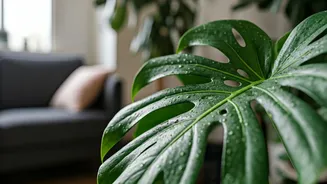
Many of our favourite indoor plants, like ferns and money plants, originated in tropical rainforests where the air is naturally thick with moisture. They absorb this moisture not just through their roots, but also through tiny pores in their leaves called
stomata. This process, known as transpiration, is vital for photosynthesis and nutrient uptake. When the air in our homes is dry, especially with air conditioning or heating, it can cause leaves to develop brown, crispy edges, curl up, or look dull. Providing adequate humidity helps mimic their native habitat, keeping foliage lush and healthy.
Simple Ways to Boost Humidity
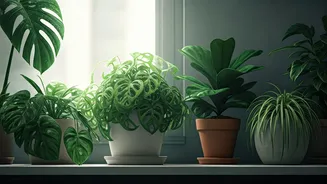
You don't need a professional greenhouse to make your plants happy. One of the easiest methods is to group your plants together. As they release moisture, they create a humid microclimate for each other. Another popular technique is to place your pot on a tray filled with pebbles and water. As the water evaporates, it raises the humidity around the plant, but ensure the pot itself isn't sitting in the water to prevent root rot. Regular misting can offer a temporary boost, though its effects are short-lived. For a more low-effort solution, consider placing plants in naturally humid rooms like your bathroom or kitchen.
The Number One Plant Killer: Overwatering
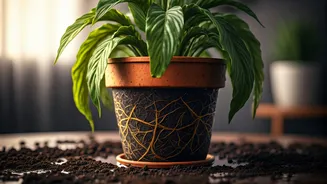
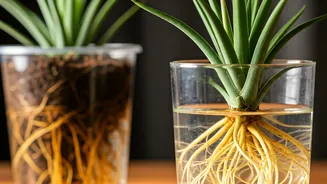
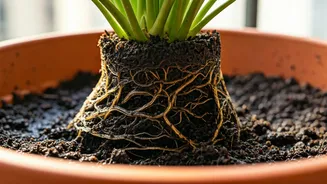
While plants love moisture in the air, having too much in the soil is the most common reason for their demise. It's an easy mistake to make out of love, but it’s a fatal one. Plant roots need to breathe; they require oxygen to function. When soil is constantly waterlogged, it suffocates the roots, preventing them from absorbing water and nutrients. This leads to root rot, a condition where the roots turn black, mushy, and die, ultimately killing the plant.
Are You Overwatering? The Tell-Tale Signs
An overwatered plant can confusingly look like an underwatered one, with wilting, droopy leaves. The key difference is the soil. If the leaves are limp but the soil is wet, you're likely overwatering. Other classic signs include yellowing leaves (especially lower ones), both new and old leaves dropping off, mushy stems, and a musty or rotten smell from the soil. You might also notice pests like fungus gnats, which thrive in damp conditions, or even mould growing on the soil's surface.
The Right Way to Water
Ditch the rigid schedule of watering 'every Sunday'. The best approach is to check the soil first. Stick your finger about two inches into the soil; if it feels dry at that depth, it’s time to water. When you do water, do it thoroughly. Pour water slowly and evenly over the soil until it runs out of the drainage holes at the bottom. This encourages deep, strong root growth. After watering, make sure to empty any excess water from the saucer. Never let a plant sit in a puddle of water.
Finding the Perfect Balance
Understanding the interplay between humidity and watering is key. In a high-humidity environment, your plants lose less water through their leaves and the soil may dry out more slowly. This means you'll likely need to water less frequently. Conversely, in a very dry, air-conditioned room, the soil may dry out faster. Always let the plant's needs, not the calendar, be your guide. Checking the soil moisture remains the most reliable method for telling you when your plant is actually thirsty.