



The New Digital 'Adda'
Kolkata’s legendary cafés, long the hallowed grounds for spirited, meandering conversations known as 'adda', are witnessing a quiet revolution. At the iconic Indian Coffee House on College Street, once the exclusive domain of poets, intellectuals, and revolutionaries,
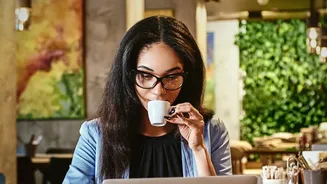
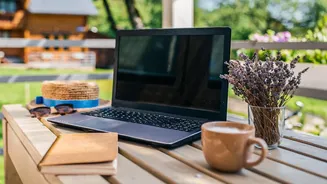
a new patron has arrived: the young remote worker. Laptops and smartphones now share table space with cups of infusion coffee and fish fry. This isn’t the leisurely 'adda' of yesteryear; it’s a focused, plugged-in version where Zoom calls coexist with the gentle hum of ceiling fans. This fusion of old and new is rewriting the cultural script of these storied institutions, turning them into daytime hubs for a generation navigating the flexible, often isolating, world of remote work.
More Than Just Wi-Fi
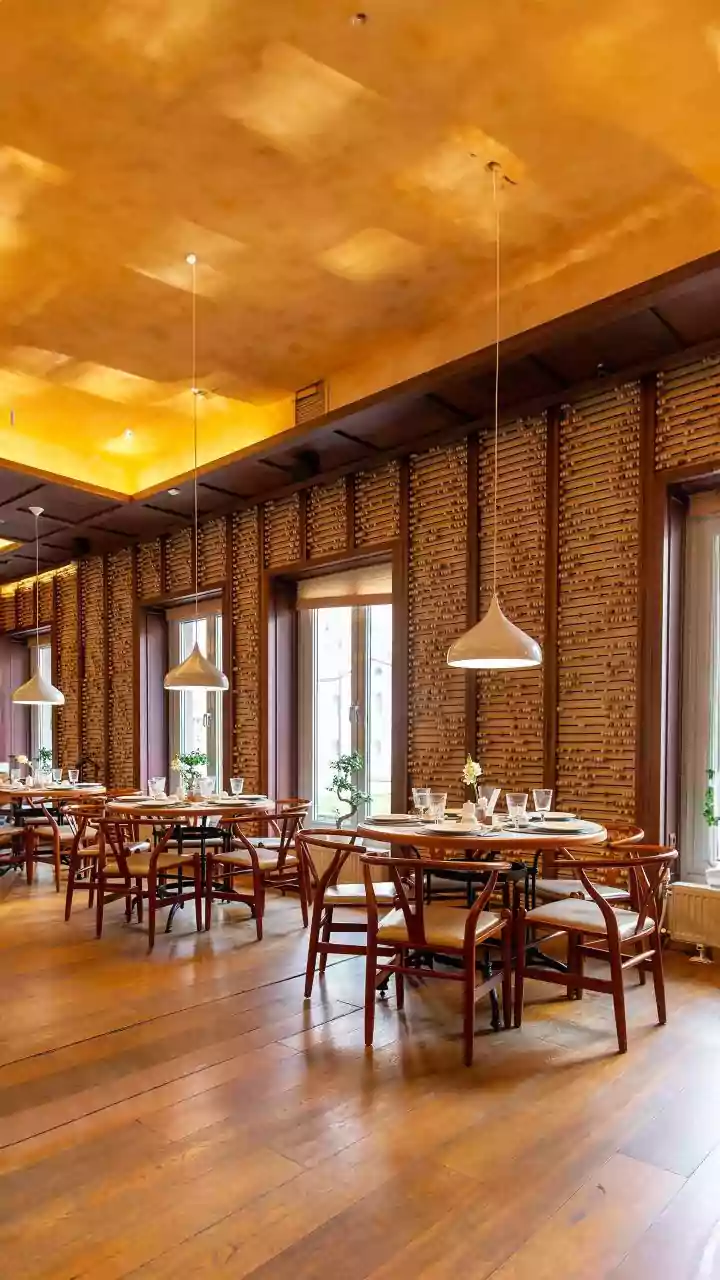
So why are young professionals flocking to these decades-old establishments instead of modern co-working spaces or sterile chain cafes? The answer is multifaceted. For many, it's an escape from the monotony of working from home. The city's heritage cafes offer a 'third place'—a comforting environment between the office and home that fosters both productivity and a sense of community. There is an undeniable charm to working under the high ceilings of a place like Flurys on Park Street, a tearoom that dates back to 1927. This trend of repurposing old Calcutta homes and spaces into cafes has become particularly popular, offering an aesthetic and atmosphere that modern constructions struggle to replicate. Establishments like Roastery Coffee House and 8th Day Café & Bakery provide not just reliable Wi-Fi and power outlets, but a connection to the city's soul.
A Welcome Change for Cafés
This new clientele is proving to be a lifeline for many heritage spots. While traditionalists might worry about the erosion of 'adda' culture, café owners are largely embracing the change. The post-pandemic rise in remote work has created a steady stream of daytime customers who settle in for hours. Many cafés are actively adapting to cater to this demographic, introducing special menus, ensuring ample plug points, and even creating designated quiet zones for work. Some, like The Red Bari, a restored 1920s house, have integrated co-working floors to formally accommodate the demand. Shilpa Chakraborty, co-founder of Tribe, notes that she specifically chose an older building to evoke the feel of a traditional Bengali living room, or 'baithakkhana', which resonates with this new wave of patrons. This shift ensures these beloved institutions remain commercially viable and relevant.
A Fusion of Past and Future
The phenomenon isn't just about business; it's a cultural fusion. The laptop-wielding generation isn't erasing the history of these cafés; they are adding a new chapter. They are drawn to the history, the architecture, and the palpable sense of nostalgia, even if their activities are thoroughly modern. While some long-time patrons might see the quiet focus of remote workers as a departure from the lively debates of the past, others see it as a necessary evolution. Heritage experts argue that this 'adaptive reuse' is crucial for preservation, keeping historic buildings alive and functional. By becoming workspaces, these cafés ensure they are not just relics to be admired but are actively lived in and integrated into the contemporary fabric of the city. The silent keystrokes and hushed video calls are the new sounds of Kolkata's heritage, proving that the city's past and future can indeed share a table.