



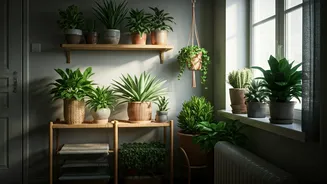


Our Innate Connection to Nature
It starts with a concept called the 'biophilia hypothesis'. Popularized by biologist Edward O. Wilson, it suggests that humans have an inherent tendency to connect with nature and other forms of life. After all, our ancestors evolved in natural environments,
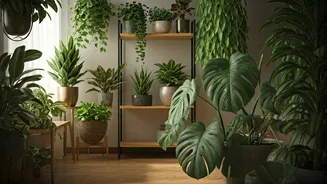
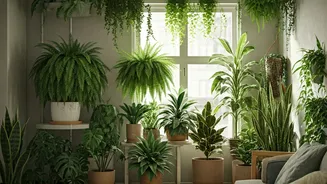
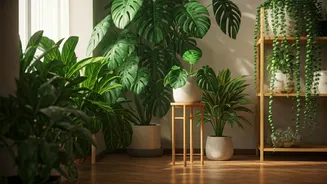
relying on plants for food, shelter, and to find resources like water. This deep-seated connection means that even today, simply being around plants can make us feel more at ease, triggering a sense of safety and well-being that is hardwired into our biology. Filling our indoor spaces with greenery helps bridge the gap between our modern lives and this ancient, restorative bond.
A Natural Stress Reducer
One of the most significant benefits of houseplants is their power to reduce stress. Numerous studies have shown that interacting with indoor plants—whether it's watering them, pruning leaves, or simply looking at them—can lower physiological and psychological stress. This isn't just a vague feeling of relaxation; it's measurable. Research indicates that being around plants can reduce levels of cortisol, the body's primary stress hormone. This leads to a lower heart rate, reduced blood pressure, and an overall feeling of calm and comfort. In one study, participants who worked with plants reported feeling more soothed and comfortable compared to those who performed a task on a computer.
Boosting Focus and Creativity
Struggling to concentrate or find inspiration? A plant might be the perfect desk companion. Research has found that the presence of greenery can improve focus, enhance memory retention, and boost creativity. One study concluded that employees were 15% more productive when plants were introduced to their workspaces. The visual stimulation from plants can help restore mental energy and reduce cognitive fatigue, allowing you to stay focused for longer. The color green itself is associated with tranquility and harmony, creating a positive environment where creative ideas are more likely to emerge. Studies have shown plants can boost creativity by 15% or more in a study or workspace.
Cleaner Air, Clearer Mind
While you'd need a veritable jungle to completely purify a room, it's true that plants are natural air filters. A famous 1989 NASA study found that common houseplants could remove indoor air pollutants like formaldehyde, benzene, and xylene from sealed chambers. Plants absorb these contaminants through their leaves and roots, helping to clean the air. While the effect in a typical, ventilated home is more modest than in a lab setting, plants do contribute to a healthier indoor environment by also releasing oxygen and increasing humidity. This cleaner air can lead to clearer thinking and improved cognitive function.
The Mindful Act of Nurturing
Beyond the passive benefits, the active process of caring for a plant is a powerful tool for well-being. Tending to your green companions encourages mindfulness—the practice of being present in the moment. The simple, repetitive tasks of watering, checking the soil, and dusting leaves can become a meditative routine, helping to quiet a busy mind. This act of nurturing a living thing gives a sense of purpose and fulfillment. Watching a plant thrive and produce new growth provides a gentle, joyful reminder of life's simple pleasures, fostering a deeper connection with both nature and yourself.