




The Undeniable Pull of Tradition
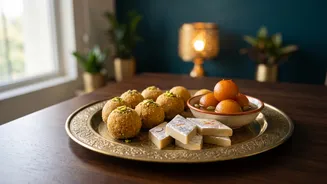
For many, Diwali sweets are synonymous with nostalgia and tradition. The festival is incomplete without classic favourites that evoke memories of family gatherings. Sweets like Kaju Katli, Motichoor Laddoo, Soan Papdi, and Gulab Jamun remain the undisputed
stars of the season. These sweets are not just treats; they are symbols of happiness and prosperity, deeply woven into the cultural fabric of the celebration. Shoppers often gravitate towards sweets that are specific to their region, whether it's Mysore Pak in the south or different varieties of Barfi in the north. This connection to heritage means that even as new trends emerge, the demand for these timeless classics remains as strong as ever.
A Shift Towards Healthier Indulgence
While tradition holds strong, a significant trend among modern shoppers is the move towards health-conscious options. There's a growing demand for sweets that are less 'unhealthy', leading to innovations in the market. Consumers are actively seeking out mithai made with natural sweeteners like jaggery and dates, or those crafted from alternative grains such as ragi and millets. Brands are responding by offering low-sugar, baked-not-fried, and even vegan versions of popular sweets like Gulab Jamun and Barfi. This shift doesn't mean sacrificing indulgence; instead, it's about finding a guilt-free way to enjoy the festive spirit without compromising on well-being.
Quality Over Quantity
Today's consumer is more informed and particular about what goes into their food. When buying Diwali sweets, the quality of ingredients is a primary consideration. Shoppers are willing to pay a premium for mithai made with pure ghee, high-quality nuts, and real milk solids (khoya), rather than those using cheaper substitutes. Freshness is another critical factor. Most people prefer to buy from reputable shops known for their hygiene standards and fresh preparations. The shelf life of sweets is also a practical concern, especially for gifting; dry sweets like Soan Papdi last longer, while milk-based ones like Barfi need to be consumed within a few days.
The Art of Presentation and Gifting
Diwali is a festival of gifting, and the packaging of sweets is now almost as important as the contents. An attractive, well-designed box elevates the gift and reflects the care of the giver. This has led to a surge in demand for premium and artisanal packaging, with festive colours, elegant designs, and even customisation options like logos for corporate gifting. Good packaging also serves a practical purpose: sturdy boxes with dividers and food-grade liners ensure that delicate sweets travel well and arrive in perfect condition. For many, a beautifully presented box of mithai is a key part of the festive experience, making a strong first impression.
Fusion Flavours and Modern Twists
While traditional recipes are cherished, there's also an increasing appetite for novelty and fusion flavours. Confectioners are innovating by blending classic Indian sweets with Western concepts, creating exciting new products. Think of chocolate-infused Barfi, red velvet laddoos, or even rose-flavoured Kaju Katli. These modern interpretations appeal to a younger demographic and those looking to offer something unique during the festive season. This trend shows that the Indian sweet market is dynamic, capable of respecting its roots while embracing creative evolution. A mixed box featuring both a traditional favourite and a new fusion sweet is becoming a popular choice for gifting.