


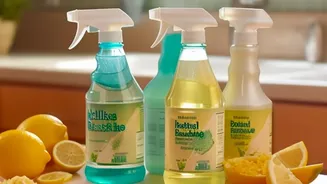
The Hidden Dangers in Cleaning Products
Many popular household cleaners contain chemicals that can be harmful to pets. Ingredients like ammonia, bleach (chlorine), phenols, and isopropyl alcohol are effective for disinfecting but can be toxic if your pet is exposed. Pets are more vulnerable
than humans because they are closer to the ground, have smaller lungs, and faster metabolisms. The danger isn't just from ingestion. Harmful residues left on floors can be absorbed directly through their paw pads or licked off during grooming, leading to potential irritation, chemical burns, or internal poisoning. Even products marketed as "natural" can contain substances like certain essential oils that are toxic to cats.
What to Look For: Signs of Paw Irritation
A pet suffering from chemical irritation on their paws may not show obvious signs of pain at first. Discomfort can develop later, so it's crucial to be vigilant. Key signs include excessively licking or chewing their feet, limping, or reluctance to walk. Upon inspection, you might see redness, inflammation, peeling pads, or even blisters. The skin may feel hot to the touch. In some cases, you may notice your pet drooling, pawing at their mouth, or exhibiting a loss of appetite, which could indicate they've ingested some of the cleaning product.
Your Immediate First-Aid Plan
If you suspect your pet has walked through a chemical cleaner or is showing signs of irritation, quick action is vital. First, remove your pet from the area to prevent further exposure. Gently brush off any dry chemicals, then flush the affected paws with large amounts of lukewarm water for at least 15 minutes. Using a mild soap is also recommended. It is very important not to use any neutralizing agents, as this can create a chemical reaction that produces heat and causes more tissue damage. After rinsing thoroughly, pat the area dry. Do not let your pet lick the affected paw. Throughout this process, monitor your pet for any worsening symptoms and call your veterinarian immediately for professional advice.
Smarter, Safer Cleaning Habits
The best way to prevent chemical paw burns is to adopt safer cleaning routines. Always keep pets out of the room you are cleaning until all surfaces are completely dry. This simple step is one of the most effective ways to avoid paw-to-mouth transfer of chemicals. When cleaning, ensure the area is well-ventilated by opening windows to disperse fumes that can irritate your pet's sensitive respiratory system. Consider switching to cleaners specifically marked as pet-safe, but always read the ingredient list to be sure. Many contain gentler, plant-based ingredients but are still effective. A simple solution of diluted vinegar and water can also be a good alternative for some surfaces, as long as it's rinsed and allowed to dry.