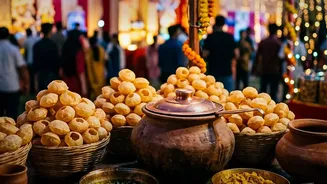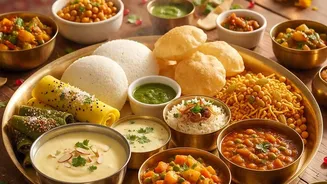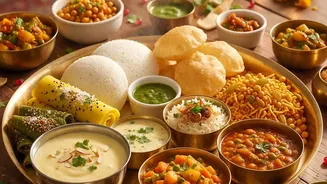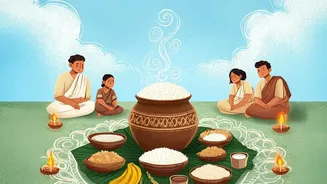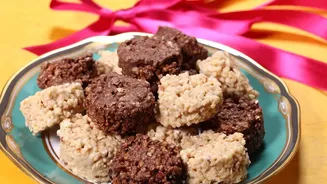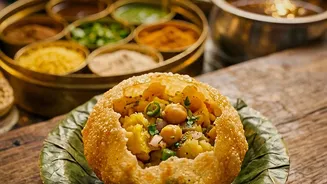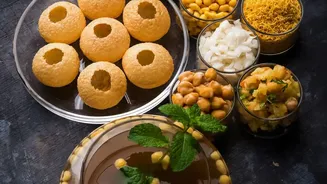

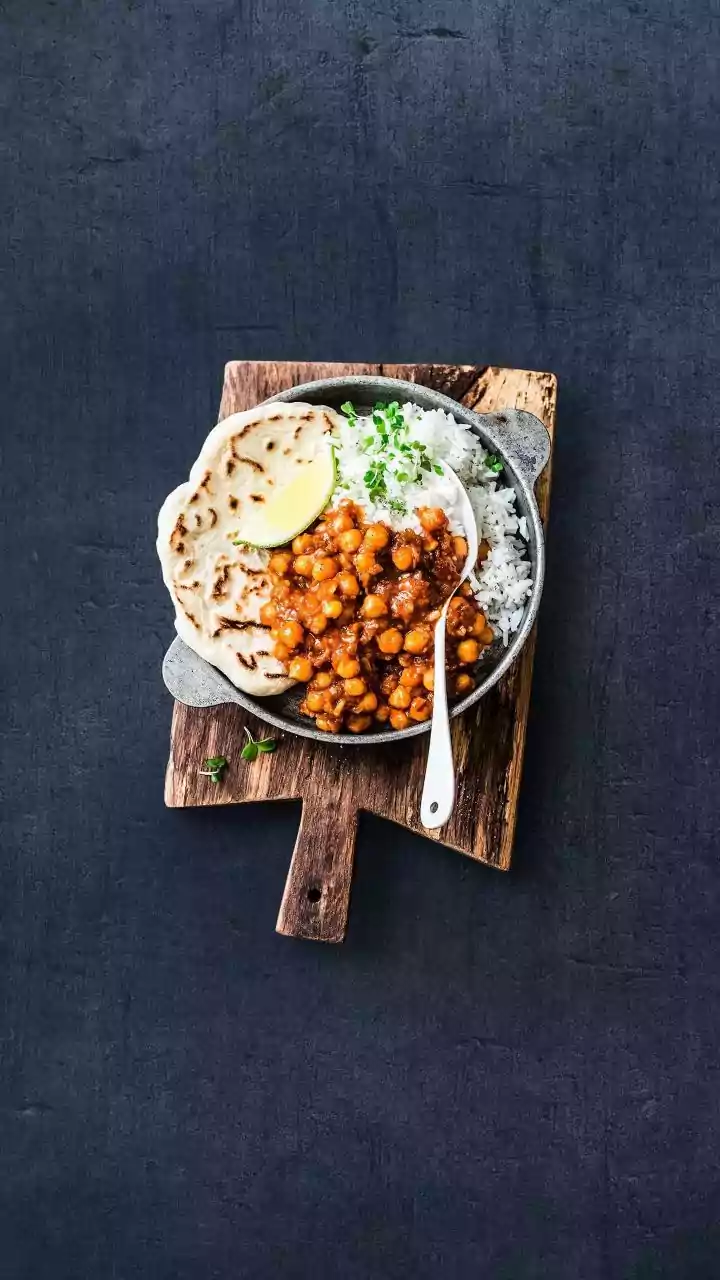
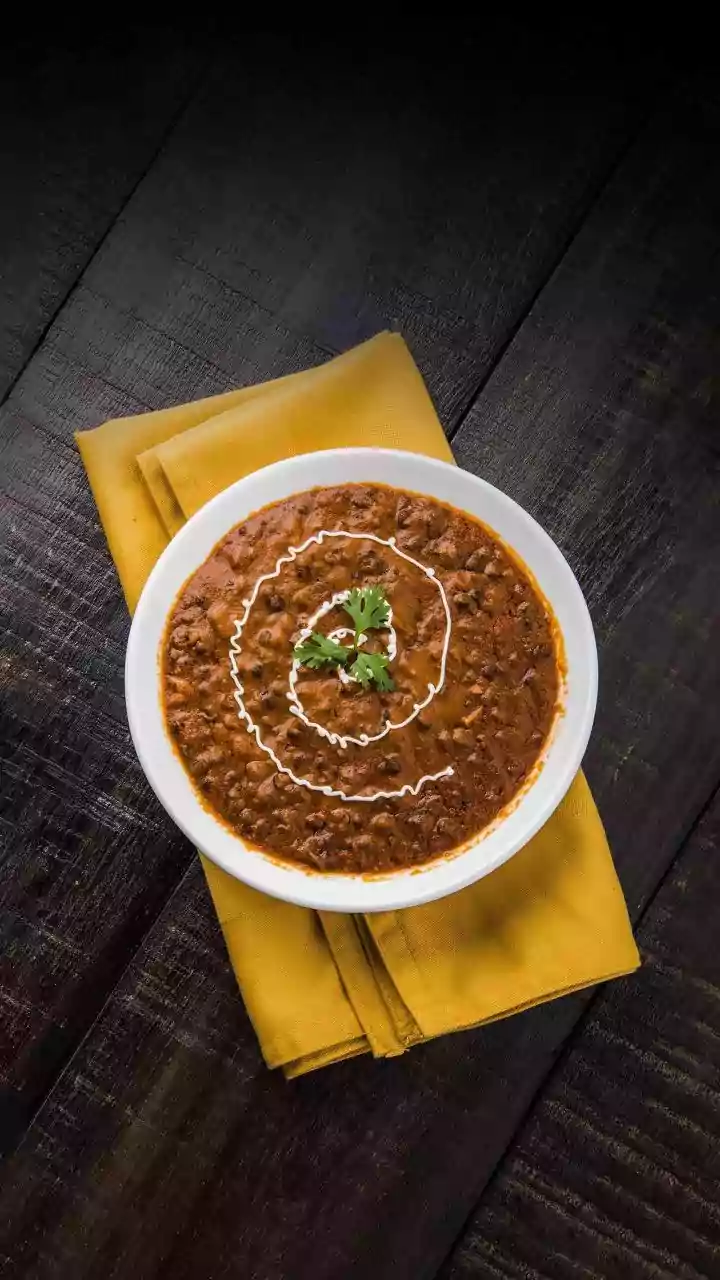

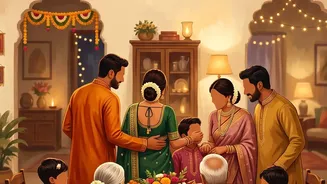
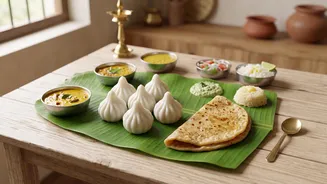
The aroma of ghee-roasted besan, the rhythmic sound of a knife on a chopping board—these are the nostalgic hallmarks of festival prep in an Indian home. But in 2026, a new, pragmatic tradition is taking hold, one that smartly blends love with convenience.
The Weight of Nostalgia
For generations, the run-up to any major festival in India was a marathon of culinary labour, undertaken almost exclusively by the women of the household. Days, sometimes weeks, were spent sourcing ingredients and painstakingly preparing an elaborate spread of sweets and savouries from scratch. Every family has its legendary dishes—a grandmother's perfect laddus, an aunt's peerless murukku. These recipes are more than just food; they are vessels of memory, tradition, and love. The pressure to replicate them perfectly is immense. To not make them feels like letting go of a piece of your heritage. This reverence for purely homemade festival food is deeply ingrained, tying the act of cooking to devotion and care.
A Shift in Modern Households
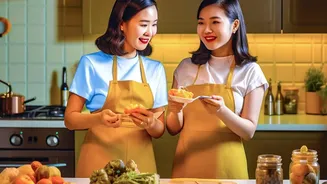
Today's reality for many Indian families looks vastly different. Urbanisation, longer workdays, and the rise of nuclear and dual-income households mean that time has become the most precious commodity. The leisurely pace of festival preparation that our grandmothers may have known is simply not feasible for many. The desire to celebrate with the same fervour and flavour remains, but the hours in the day have not expanded to accommodate it. This has created a natural friction between expectation and reality, leading to a quiet evolution in the Indian kitchen. The choice is no longer a binary between 'authentic' homemade feasts and 'inauthentic' store-bought convenience; a middle path has emerged.
The Art of the 'Semi-Homemade' Feast
This new approach is all about strategic outsourcing. It’s a clever mix-and-match system that frees up time without sacrificing the soul of the celebration. It might look like buying high-quality, ready-made samosas but preparing the flavourful chutneys at home. It could be purchasing a plain sponge cake and transforming it with a homemade saffron and cardamom cream frosting. Many now choose to master one or two signature family recipes—the ones that truly matter—and supplement the rest of the menu with the best store-bought options available. This 'semi-homemade' strategy allows people to put their personal, loving touch on the celebration while smartly delegating the more labour-intensive or time-consuming elements. It’s not about cutting corners; it’s about allocating energy where it delivers the most joy.
Redefining Authenticity and Tradition
This shift forces a necessary and healthy re_evaluation of what 'authenticity' truly means. Is a dish only authentic if every single component is made from scratch, even if the process leaves the host exhausted and unable to enjoy the festival? Or does authenticity lie in the act of gathering, sharing, and creating happy memories? The modern consensus is leaning towards the latter. Tradition is not a static museum piece; it is a living, breathing thing that must adapt to survive. By embracing this hybrid model, modern Indians are not abandoning tradition. Instead, they are ensuring its survival, moulding it to fit the contours of contemporary life so that it can be passed on with joy, not resentment.