




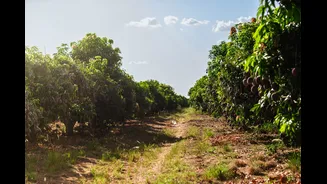
Manyam: An Unexplored Paradise
Parvathipuram Manyam, a district nestled in the northern part of Andhra Pradesh, is a land of incredible natural beauty. Characterised by the rolling hills of the Eastern Ghats, dense forests, and pristine rivers like the Nagavali, it's a region that
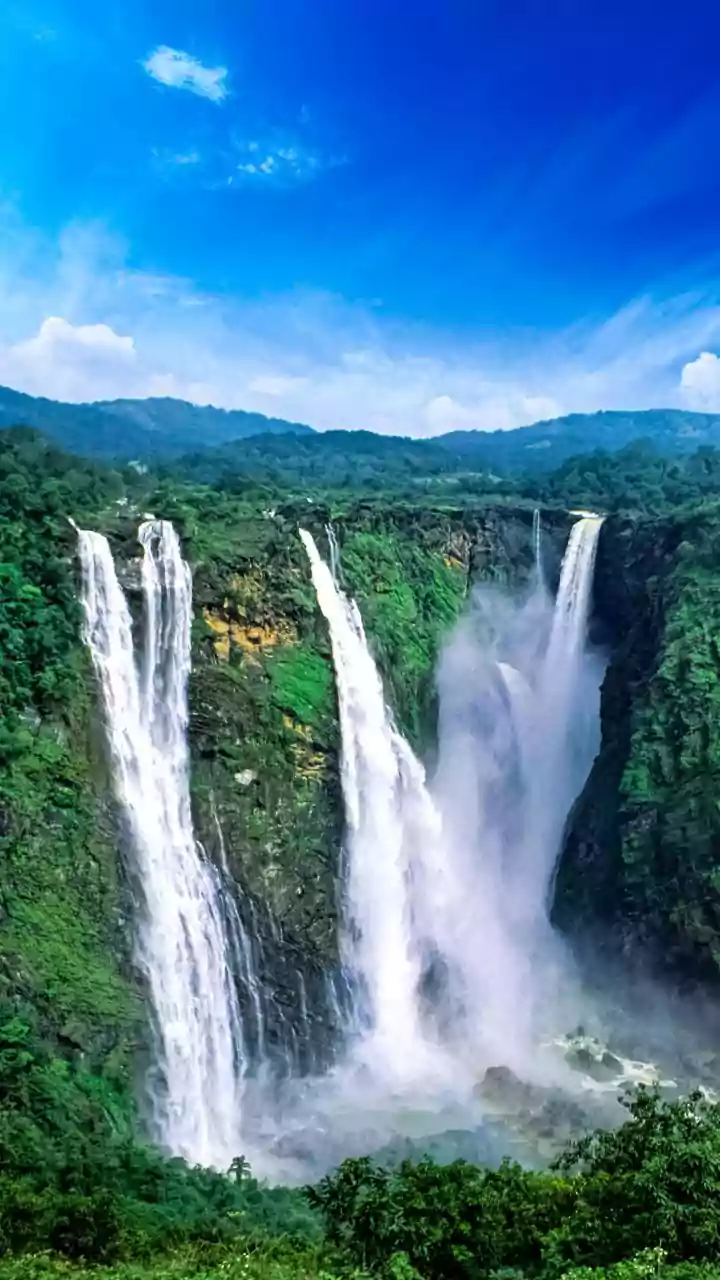
has remained largely off the mainstream tourist map. The area is home to numerous tribal communities, each with a rich cultural heritage, evident in their unique art, crafts, and way of life. For years, its potential was acknowledged but undeveloped. However, a recent focus on its stunning waterfalls—with some spots attracting a record number of visitors—has shown that the district is ready for its moment in the spotlight. This natural and cultural wealth makes Manyam a prime candidate for a more sustainable and immersive form of travel.
Why Bike Tourism is a Perfect Fit
Bike tourism is about more than just getting from A to B. It’s a form of slow, sustainable travel that allows for deep immersion in a landscape. Unlike fast-moving cars or buses, bicycles let travellers connect with their surroundings, stopping at will to admire a viewpoint, chat with locals, or sample regional food. For a place like Manyam, with its winding ghat roads and scenic trails, cycling is an ideal way to explore. The district administration has recognised this potential and is actively planning to introduce dedicated 'bike tourism' routes. Recent news from July 2026 indicates that officials have been tasked with identifying 30-kilometre circuits that link waterfalls, viewpoints, and trekking points, signalling a concrete step towards making this vision a reality.
Transforming Local Livelihoods
The most significant impact of bike tourism could be on the livelihoods of the local tribal communities. The Andhra Pradesh government’s tourism policy emphasises inclusive growth and empowering local communities, and this initiative fits perfectly within that framework. The plan is not just about creating routes, but about building an entire ecosystem. This includes training tribal youth to work as guides, promoting homestays for authentic accommodation, and creating opportunities for locals to sell handicrafts and local delicacies. A pilot project for a tribal bike taxi service, which ferries tourists to remote waterfalls, has already seen a positive response, demonstrating a successful proof of concept. By involving the community directly, tourism revenue flows back into the local economy, creating a self-sustaining model that preserves culture while fostering economic independence.
The Road Ahead: Infrastructure and Support
Realising this dream requires careful planning and investment. The district collector has directed officials to prepare a comprehensive action plan focusing on safe riding routes, rest shelters, and secure overnight stay facilities. The success of this initiative hinges on creating reliable infrastructure that supports tourists without harming the delicate ecosystem. This includes clear signage, well-maintained roads, and access to basic amenities. The administration also plans to develop several waterfalls and promote adventure activities like rock climbing to diversify the attractions. Support from the state’s tourism policy, which offers incentives for projects in underdeveloped areas, could provide the necessary financial backing to get these projects off the ground. The creation of an official logo and marketing materials will also be crucial in putting Manyam on the national tourism map.