





A Simple Weather Hack
The term 'rain shadow' might sound gloomy, but for an adventurer, it's a promise of sunshine. It's a simple geographic phenomenon with a huge travel upside. When moisture-laden winds from an ocean or large sea hit a mountain range, they are forced to
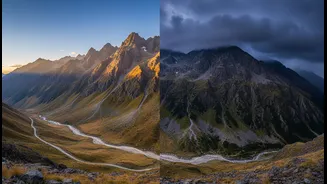
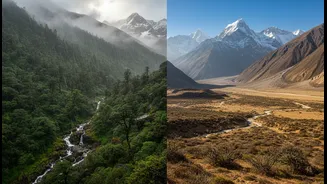
rise. As the air climbs, it cools, and the moisture condenses into clouds, dumping rain or snow on the side of the mountain facing the wind (the windward side). By the time the air crosses over the mountains, it has lost most of its moisture. As this dry air descends on the other side (the leeward side), it warms up, creating a dry, arid, and often sunny climate. This protected, dry area is the rain shadow.
The Allure of Predictable Sunshine
The number one reason travellers are drawn to these regions is the blissfully reliable weather. For much of India, the monsoon season (June to September) means heavy rains and high humidity, making outdoor activities a challenge. But for high-altitude rain-shadow areas like Ladakh and Spiti Valley in the Himalayas, this is their peak season. Sheltered by the towering Himalayan ranges, they remain dry, sunny, and perfect for trekking, motorbiking, and sightseeing while other parts of the country are drenched. This climatic guarantee allows for meticulous planning of adventure trips without the looming threat of a washout, a trend that aligns with travellers' growing desire for well-organised outdoor experiences.
Landscapes from Another World
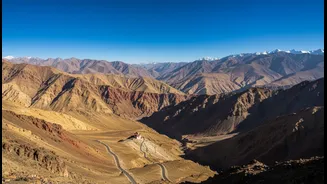
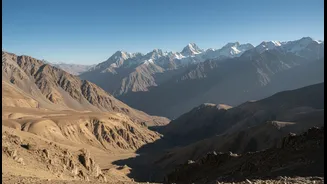
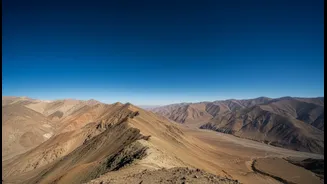
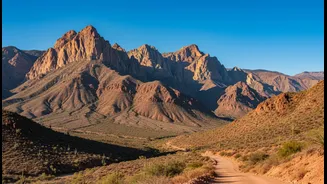
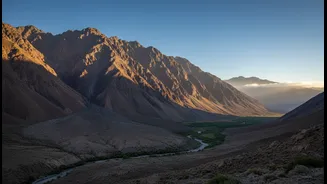
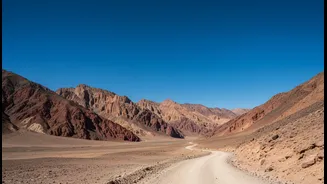
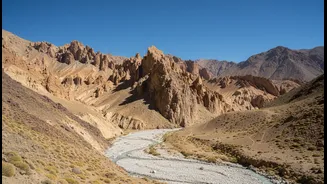
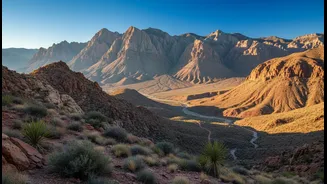
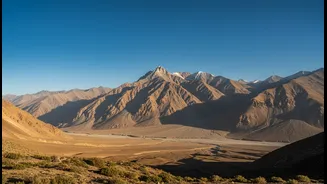
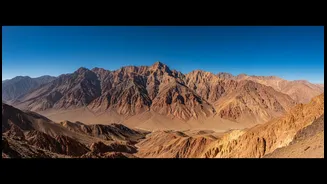
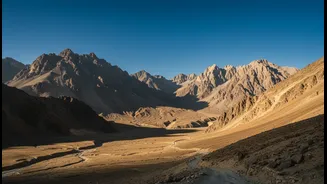
The aridity of rain-shadow regions creates some of the most dramatic and otherworldly landscapes on the planet. Think barren, rust-coloured mountains, deep blue skies, and vast, empty expanses that feel like the surface of Mars. These stark environments are a photographer’s dream. In places like Chile's Atacama Desert, the world's driest nonpolar desert, you'll find sprawling salt flats, turquoise high-altitude lakes, and geysers that erupt against a backdrop of volcanic peaks. In Ladakh, the Pangong Tso lake offers a surreal palette of blues against rugged brown mountains. This unique, almost-alien beauty offers a powerful contrast to the lush green landscapes many travellers are used to, providing a fresh and profound connection with nature.
Where Adventure Meets Solitude
Many rain-shadow destinations are inherently remote, demanding a bit more effort to reach. This natural barrier filters out casual tourists, making them havens for those seeking genuine adventure and solitude. Travel trends show a growing interest in escaping crowded hotspots in favour of more purposeful and immersive journeys. Destinations like Spiti Valley offer just that—a chance to disconnect in remote villages, visit ancient monasteries perched on cliffs, and experience a culture that has remained preserved due to its isolation. This sense of discovery, of reaching a place few have seen, is a powerful motivator for modern adventurers who prioritise experiences over simple sightseeing.
Iconic Rain-Shadow Destinations to Explore
For Indian travellers, Ladakh and the Lahaul-Spiti district in Himachal Pradesh are the quintessential rain-shadow destinations. Ladakh, more accessible via flights to Leh, is known for its stunning lakes and vibrant monastic festivals. Spiti is more rugged and remote, rewarding travellers with a sense of raw, untouched beauty. Globally, the Atacama Desert in Chile is a prime example, famous for having some of the clearest skies in the world for stargazing. Other notable rain-shadow areas include parts of Patagonia in Argentina, the Gobi Desert in Asia, and the Great Basin in the United States, all offering unique ecosystems and unforgettable adventures.