


The Rise of Light Pollution
For millennia, the night sky was humanity’s ultimate spectacle, a source of myth, navigation, and wonder. Today, for more than 80% of the world's population, that spectacle is gone. We live under a dome of 'sky-glow'—the diffuse, orange haze created by
artificial lights from our cities, factories, and homes. This isn't just a romantic loss; light pollution disrupts ecosystems, affects human health by interfering with sleep cycles, and severs a fundamental connection to our universe. Most children born today in urban India will never see the Milky Way with their own eyes from their homes. In response, a new kind of tourism is emerging: astrotourism, or the deliberate journey to places free from light pollution.
What is a Dark Sky Destination?
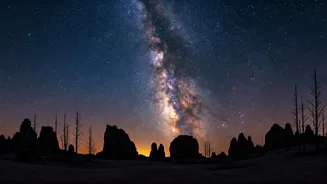
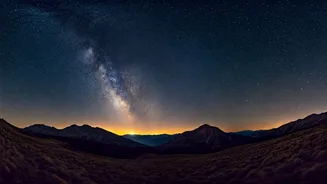
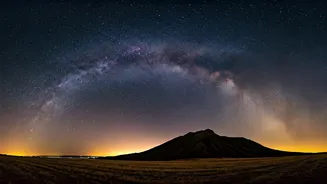
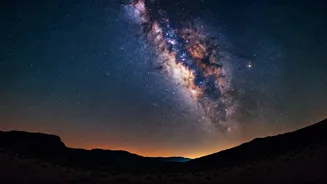
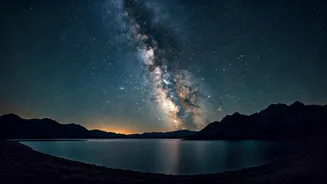
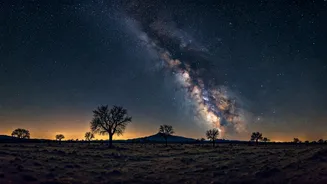
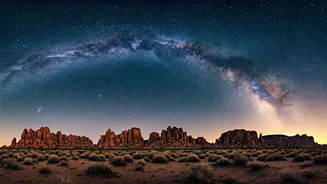
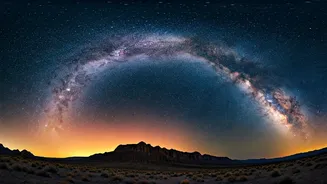
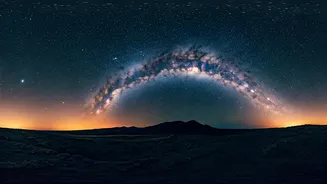
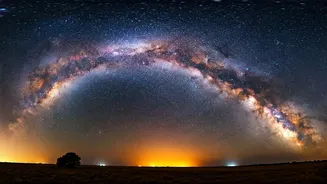
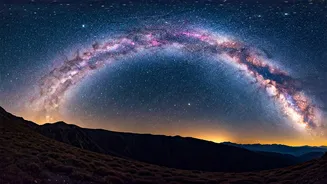
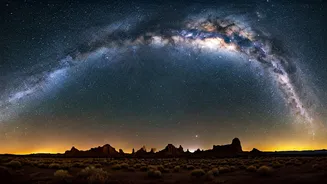
A dark sky destination is more than just a remote spot. These are areas actively preserved for their natural darkness. The leading authority, the International Dark-Sky Association (IDA), certifies locations around the globe as 'International Dark Sky Parks,' 'Reserves,' and 'Sanctuaries.' These places meet stringent criteria for minimal light pollution and are committed to protecting their nocturnal environment. Visiting one is a completely different experience from casual stargazing. Here, the sky is not just a backdrop; it is the main event. The sheer volume of stars is overwhelming, the Milky Way arcs across the heavens like a celestial river, and constellations pop with a clarity that city dwellers can only dream of.
India’s Celestial Sanctuaries
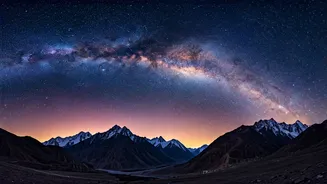
India, with its vast and varied landscapes, is becoming a key destination for astrotourists. The headline act is the Hanle Dark Sky Reserve in Ladakh. Officially designated as India’s first, this high-altitude desert region offers some of the clearest, darkest skies in the world, thanks to its thin atmosphere, low humidity, and minimal population. Here, the Indian Astronomical Observatory operates powerful telescopes, but you don't need one to be mesmerised. Other emerging hotspots include the remote Spiti Valley in Himachal Pradesh, where villages like Kibber and Komic offer unparalleled views, and parts of the Western Ghats in Coorg or Wayanad during the dry season. These destinations offer a unique combination of adventure, culture, and cosmic awe.
More Than Just a Pretty View
The appeal of astrotourism goes deeper than stunning visuals. In our hyper-connected world, a trip to a dark sky location is the ultimate digital detox. With little to no mobile network, you are encouraged to disconnect from screens and reconnect with your surroundings and yourself. It’s a meditative experience. Staring into the vastness of space has a profound, humbling effect, offering a powerful perspective on our own lives and our place in the cosmos. Travellers often report a sense of peace, wonder, and renewed creativity. It's a form of wellness travel where the therapy is the universe itself, reminding us of a world that exists beyond our daily anxieties and notifications.
Planning Your Starry Getaway
Ready to chase the stars? A little planning goes a long way. First, check the lunar calendar; the best time for stargazing is during the new moon phase, when the sky is at its darkest. The winter months generally offer clearer skies in many parts of India. Pack layers, as even in warm regions, nights can get cold. Essential gear includes a good pair of binoculars and a red-light torch—red light preserves your night vision, unlike the harsh glare of a white flashlight. Most importantly, be a responsible tourist. Follow local guidelines, avoid creating light or noise pollution, and leave the place as pristine as you found it. The darkness you've travelled so far to see is a fragile resource.