








An Urban Safari on Your Social Feed
Every year, as the first rains cool the parched cityscapes, a parallel phenomenon unfolds online. It starts with a trickle and soon becomes a deluge: videos and photos of wildlife making guest appearances in our concrete jungles. This year is no different.
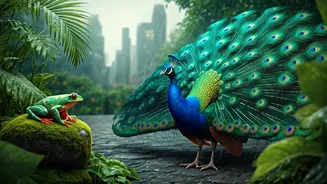
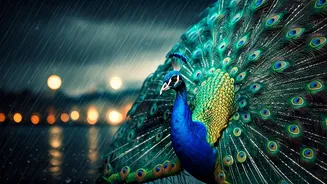
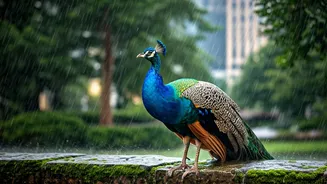
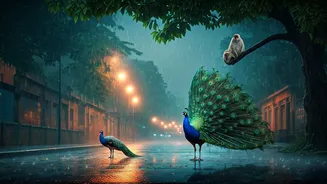
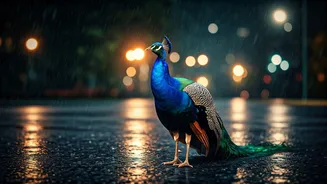
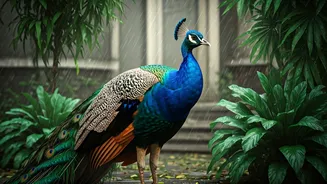
In late June, Mumbaikars were treated to the sight of peacocks and peahens strolling down the busy Pedder Road, seemingly unfazed by the traffic. The videos, of course, went viral, with shots of the national bird perched on balcony railings against a backdrop of high-rises becoming a symbol of the season. These posts garner thousands of shares and comments, a mix of awe, surprise, and delight at nature’s unexpected intrusion. It’s not just peacocks; a baby python was recently rescued from a railway engine at Chhatrapati Shivaji Maharaj Terminus in Mumbai, an event that also captured public attention. This seasonal surge in animal sightings transforms our digital spaces into a collective wildlife watch.
Why the Monsoon Means More Animal Neighbours
So, why does the monsoon trigger this exodus into urban spaces? The reasons are rooted in basic survival. Heavy rains flood the natural habitats and burrows of many creatures, forcing them to seek higher, drier ground. For reptiles like snakes and monitor lizards, our homes, garages, and building complexes offer the perfect dry shelter. The season also coincides with the breeding and nesting cycles for many species. Birds, in particular, lay their eggs just before the monsoon, knowing the rains will bring an abundance of insects and worms to feed their chicks. Frogs and toads become more active, their mating calls becoming a familiar soundtrack to rainy nights, and this, in turn, provides a moving feast for predators. Essentially, our cities become an unintended but resource-rich refuge for animals displaced or emboldened by the changing season.
From Mumbai to Noida: A Pan-India Phenomenon
This isn't a uniquely Mumbai story. Across India's metros, the monsoon redraws the lines between human and animal territories. In Delhi and Noida, sightings of Nilgai (blue-antelopes) on otherwise busy roads have been known to stop traffic, with some activists noting the animals are simply reclaiming what was once their floodplain habitat. Bengaluru, with its numerous lakes and green pockets, sees a surge in its own urban wildlife activity. Experts in Kerala note that snake sightings rise significantly during the monsoon months of July and August, as the reptiles seek shelter from the wet conditions. This pattern repeats across the country, a reminder that even our most developed cities are built on and around living ecosystems that follow their own ancient rhythms.
Between Awe and Caution
The typical human reaction to these encounters is a mixture of wonder and wariness. While a peacock on a busy street is a beautiful, shareable moment, a snake in a residential building can cause panic. This is where the crucial role of wildlife rescuers and animal welfare officers comes into play. Experts consistently advise the public not to panic or attempt to capture animals themselves, but to instead contact the forest department or trained professionals. Increased sightings on social media have had the positive effect of raising general awareness, but it's vital to remember that these are wild animals. Maintaining a safe distance is key, both for human safety and for the well-being of the animal, which is likely stressed and disoriented. The goal is to manage these encounters to ensure peaceful coexistence rather than conflict.