


The Invisible Threat of Contamination
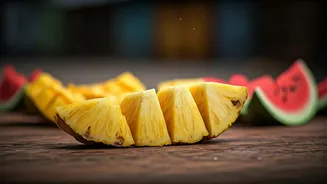
The primary danger of pre-cut fruits is microbial contamination. The moment a fruit's protective peel or rind is broken, its flesh is exposed to the open environment. Roadside stalls are often located in areas with high levels of dust and airborne pollutants.
More alarmingly, they become breeding grounds for dangerous bacteria such as Salmonella, E. coli, and Listeria. These pathogens can cause severe food poisoning, leading to symptoms like diarrhea, vomiting, typhoid, and cholera. Studies have shown that the high water content and neutral pH of many fruits, like melons, create a perfect environment for these bacteria to multiply rapidly, especially in warm weather.
How Contamination Happens
Contamination can occur at multiple points. The vendor's hands, the knife used for cutting, the cutting board, and the water used to wash the fruits are all potential sources. Often, the water is not clean, and knives are not sanitized between cutting different fruits, leading to cross-contamination. If a fruit isn't washed properly before slicing, bacteria from its rind can be dragged into the flesh by the knife. Flies and other insects, which are common in open-air settings, can also land on the cut surfaces, transferring germs from unsanitary surroundings.
The Race Against Time and Temperature
Time and temperature are critical factors. Health experts refer to the temperature range of 4°C to 60°C as the "danger zone," where bacteria can double in as little as 20 minutes. Pre-sliced fruits sold by street vendors are rarely refrigerated and are often left exposed to ambient temperatures for hours. This prolonged exposure gives any present bacteria ample time to multiply to dangerous levels, turning a seemingly healthy snack into a significant health hazard.
Nutritional Value Takes a Hit
Beyond the risk of infection, pre-cutting fruit also diminishes its nutritional value. Once sliced and exposed to air and light, fruits begin to lose essential vitamins, particularly water-soluble ones like Vitamin C and antioxidants. The longer the fruit sits after being cut, the more nutrients it loses. Essentially, you're paying for a product that is not only potentially harmful but also less nutritious than its whole counterpart. While it may still taste good, it has lost a significant portion of its health benefits.
Safer Ways to Enjoy Your Fruit
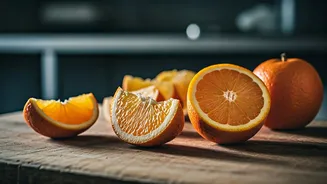
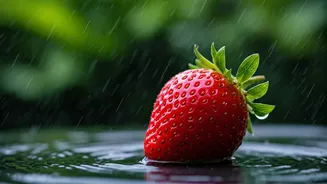
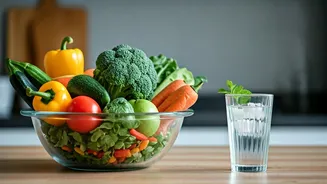
The advice from doctors and food safety experts is clear and simple: avoid pre-cut fruits from roadside vendors. The safest and most nutritious way to eat fruit is to buy it whole. Wash it thoroughly under clean, running water just before you plan to eat it. Then, use clean hands and clean utensils to cut it yourself. If you're on the go, opt for fruits that you can peel yourself, such as bananas and oranges. This way, you can be sure of the hygiene and enjoy the fruit's full nutritional benefits without the risk of contamination.