





The Humidity Hair Challenge
As the first rains fall, a collective sigh of relief is quickly followed by a collective groan from our hair. The high humidity in the air is the primary culprit. Hair, being porous, absorbs this excess moisture, causing the hair shaft to swell and the cuticle
to lift. The result? That dreaded, unmanageable frizz. Furthermore, the damp environment can become a breeding ground for scalp issues like dandruff and fungal infections, which in turn can lead to increased hair fall. Many of us react by either overloading on silicone-based serums that offer a temporary fix or by washing our hair too frequently, stripping it of its natural oils and exacerbating the problem.
Why Oils are the Perfect Answer
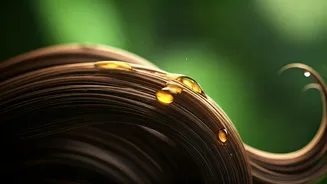
This is where the wisdom of our grandmothers circles back into the trend cycle. For generations, hair oiling, or ‘champi’, has been the cornerstone of Indian hair care. Far from being an old-fashioned ritual, it’s a scientifically sound solution for monsoon woes. Oils work by creating a protective, hydrophobic (water-repelling) barrier around the hair shaft. This barrier prevents the hair from absorbing excess atmospheric moisture, effectively locking out frizz before it starts. It seals the hair cuticle, making it lie flat, which not only tames frizz but also adds a natural, healthy shine. This protective layer is what makes oils a superior solution to many temporary styling products.
Not Your Grandmother's Champi
The modern revival of hair oiling isn't about drenching your hair in heavy oils for days. The beauty industry has evolved, bringing us lightweight, non-comedogenic, and fast-absorbing formulations. Think less of the thick, sticky coconut oil of childhood and more of sophisticated blends featuring argan, jojoba, or grapeseed oils. These new-age oils are designed to nourish without weighing hair down, making them suitable for pre-shampoo treatments, leave-in serums, and even quick touch-ups on dry hair. The focus has shifted from heavy saturation to targeted application, delivering nutrients where they are needed most without the greasy residue.
Your Monsoon Oil Toolkit
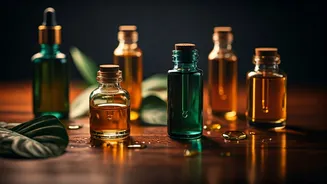
Choosing the right oil for your specific monsoon concern is key. Here’s a quick guide: * **For Frizz Control:** Argan Oil is your best friend. Rich in fatty acids and Vitamin E, it’s incredibly moisturising yet lightweight. A few drops smoothed over damp or dry hair can tame flyaways instantly. * **For Scalp Health & Dandruff:** Tea Tree Oil is a powerhouse. Known for its potent antifungal and antibacterial properties, it can combat the scalp issues that thrive in humidity. Always dilute it with a carrier oil like coconut or almond oil (a few drops per tablespoon) and massage it into the scalp before washing. * **For Hair Fall & Strength:** Coconut Oil remains a champion for a reason. Its unique molecular structure allows it to penetrate the hair shaft deeply, reducing protein loss and strengthening hair from within. A warm oil massage an hour before you shampoo can work wonders. * **For an Oily Scalp:** Jojoba Oil is a brilliant choice. Its composition is remarkably similar to the sebum our scalp naturally produces. Applying it can trick the scalp into thinking it has produced enough oil, helping to regulate oil production over time.
Application Is Everything
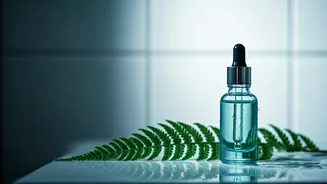
To get the benefits without the weigh-down, mastering the application technique is crucial. For a pre-shampoo treatment, warm a small amount of oil and massage it gently into your scalp and through the lengths of your hair. Leave it on for at least 30 minutes to an hour, then shampoo and condition as usual. For daily frizz control, dispense just one or two drops of a lightweight oil like argan into your palms, rub them together to warm the product, and then lightly skim your hands over the surface of your dry, styled hair. This deposits a micro-fine layer that fights humidity without sacrificing volume or leaving a greasy feel.