








More Than Just a Toy
First, let's get one thing straight: these are not the action figures you played with as a child. Known as designer toys or art toys, these are limited-edition collectibles created by artists and designers. They are often made from vinyl, resin, or wood,
and are produced in small, exclusive batches. Think of them as a hybrid of sculpture and pop culture merchandise. The movement kicked off in Hong Kong and Japan in the 1990s, with artists using toys as a new canvas for their creative expression. Unlike mass-produced toys, which are meant for play, art toys are designed for display. Their value comes from their creator, their rarity, and the story they tell. They blur the line between a commercial product and a piece of gallery-worthy art, making them the perfect centrepiece for a curated modern home.
The Key Players: KAWS and Bearbrick
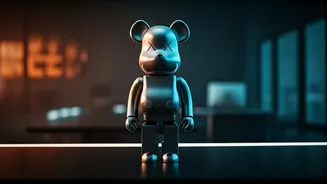
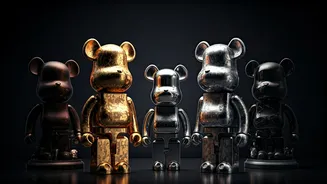
Two names dominate the art toy scene: KAWS and Bearbrick. KAWS, the pseudonym of American artist Brian Donnelly, is famous for his 'Companion' figure—a melancholic, Mickey Mouse-esque character with X-ed out eyes. His work is exhibited in major museums, but he also releases vinyl figures that sell for thousands of dollars, making high art accessible to a new generation of collectors. Then there's Bearbrick, the iconic bear-shaped figure from Japanese company Medicom Toy. These 'bears' serve as a blank canvas for collaborations with everyone from luxury fashion houses like Chanel to legendary artists like Andy Warhol and blockbuster film franchises. Indian celebrities like musician Badshah and actor Harsh Varrdhan Kapoor are often seen showcasing their impressive collections of these figures, solidifying their status as coveted items among the country's elite tastemakers.
The Psychology of the Obsession
So, why the obsession? It’s a perfect storm of nostalgia, scarcity, and social currency. Many of these toys are based on characters from childhood cartoons, tapping into a powerful sense of nostalgia for millennials and Gen Z. But this isn't just about reliving the past. The core appeal lies in exclusivity. Art toys are released in limited 'drops', much like hyped sneakers. This scarcity creates immense demand, with figures often selling out in minutes and reappearing on resale markets like StockX for many times their original price. Owning a rare piece isn't just about appreciating the art; it's a flex. It signals that you are in-the-know, have discerning taste, and possess the resources to acquire something few others can. It’s the same thrill that drives sneakerheads, but applied to the world of art and decor.
Made for the Instagram Grid
Art toys are incredibly photogenic, which makes them a natural fit for a visual platform like Instagram. Their bold colours, clean lines, and glossy finishes pop on screen. For an influencer or creator, a KAWS figure in the background of a selfie or a Bearbrick on a bookshelf is not just decoration; it’s a deliberate act of personal branding. It instantly communicates a certain level of cultural and financial capital. The toy acts as a signifier, telling followers, 'I am connected to the worlds of art, fashion, and design.' It’s a silent, stylish way to enhance one's aesthetic and build a brand persona. This visual appeal has catapulted the hobby from a niche collector community into a mainstream cultural phenomenon, driven entirely by the power of the shareable image.
Can You Start a Collection?
While the headlines focus on pieces selling for lakhs of rupees, the world of designer toys has entry points for almost everyone. Brands like Funko Pop! offer a highly accessible way to collect figures from pop culture, even if they don't carry the 'art' prestige of a KAWS. Another popular entry point is 'blind box' toys from brands like Pop Mart. These are small, sealed boxes containing one random figure from a series. They are affordable, fun to collect, and give you the same thrill of discovery without the hefty price tag. For those looking to invest in more serious pieces, keeping an eye on official artist websites and reputable retailers for new drops is key—but be prepared for stiff competition.