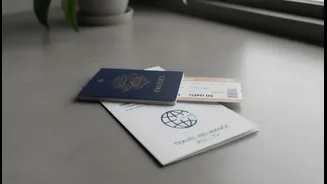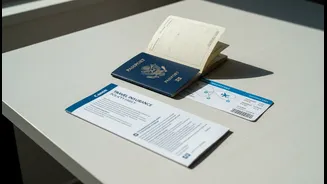




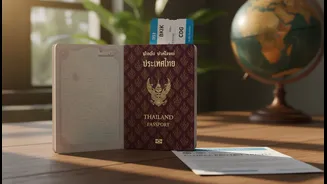



Good News: Visa-Free Travel is Here to Stay
After a few weeks of confusion, the Thai government has provided welcome clarity for Indian tourists. On July 14, 2026, the Thai cabinet confirmed it would not be scrapping visa-free entry for Indian passport holders. This decision reverses an earlier
proposal from May 2026 that had planned to move India back to a paid Visa on Arrival system. That announcement led to a significant drop in bookings and widespread uncertainty among travellers. In a major relief for both tourists and the travel industry, officials have opted to keep the visa-exemption privilege in place, ensuring Thailand remains one of the most accessible international destinations for Indians.
The New 30-Day Stay Limit Explained
While visa-free entry continues, the duration of the stay has been shortened. Previously, Indian tourists enjoyed a generous 60-day visa-exempt stay. Under the new rules, this has been reduced to 30 days. This change is part of a broader overhaul of Thailand's visa policies, which saw the 60-day exemption for 93 countries revoked and replaced with a more standardized 30-day period for a list of 59 nations, including India. For the vast majority of Indian visitors, this new cap is more than sufficient, as government data shows the average stay for an Indian tourist is just over seven days. The new rule simply means that what was once a two-month window is now a one-month window.
Why the Policy Shift?
The Thai government's decision is aimed at striking a balance between promoting its vital tourism sector and strengthening national security. Authorities had expressed concerns that the lengthy 60-day visa-free period was being misused by some visitors for activities other than tourism, such as working illegally. The May proposal to end the scheme altogether was a direct response to these security concerns. However, the subsequent sharp decline in Indian tourist arrivals—a drop of nearly 20%—prompted a swift reconsideration. The new 30-day rule is a compromise: it keeps the doors wide open for genuine tourists from a key market while giving authorities better control over long-stay visitors.
What This Means for Your Travel Plans
For most Indian travellers, the practical impact of this change will be minimal. If you are planning a typical holiday of one to three weeks, your travel plans are completely unaffected. You can still book your flights, pack your bags, and receive a 30-day entry stamp on arrival without any prior visa application or fees. However, the change is significant for those who were planning longer trips. Backpackers, digital nomads, or anyone hoping to spend one to two months exploring the country will now need to adjust their strategy. A 30-day stay is the new maximum under the free scheme, and overstaying is not an option.
Planning a Longer Trip to Thailand?
If your dream trip to Thailand involves more than 30 days, you still have excellent options, but they require some advance planning. Instead of relying on the visa-exemption scheme, you will need to apply for a standard 60-day tourist visa from a Thai embassy or consulate in India before you travel. This process is straightforward and can often be done online through the official e-Visa portal. This route gives you the 60-day stay you need and can often be extended for another 30 days at an immigration office within Thailand, allowing for a total potential stay of 90 days. The key is to apply for this visa ahead of your departure.
Don't Forget the Digital Arrival Card
One crucial rule that remains in place for all travellers, regardless of their visa status, is the mandatory Thailand Digital Arrival Card (TDAC). This is an online form that has replaced the old paper-based TM6 arrival/departure card you used to fill out on the plane. You must complete the TDAC online within 72 hours before your flight to Thailand. It is a free and simple process on the official Thai immigration website. After submitting the form, you will receive a code that you may need to present at airline check-in and to immigration upon arrival. It is a non-negotiable entry requirement.