






The New Digital Pantry
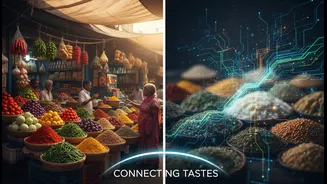
The way Indians stock their kitchens is undergoing a seismic shift. Gone are the days when grocery shopping was limited to the neighbourhood kirana store or a weekly supermarket run. The rise of e-commerce has transformed the pantry into a dynamic, on-demand
service. Spurred by widespread smartphone use and affordable data, the online grocery market in India has seen explosive growth, a trend that accelerated significantly post-pandemic. This digital marketplace offers unprecedented convenience, allowing consumers to bypass traffic and queues. More importantly, it expands access. Someone in a Tier-2 city can now procure ingredients that were once exclusive to metropolitan gourmet shops, from specialty flours to exotic vegetables. This shift is not just about convenience; it reflects changing consumer priorities, with a growing number of shoppers favouring premium brands and quality over just the lowest price. As retailers compete, they are innovating with subscription models and ultra-fast delivery, making the digital pantry a deeply embedded part of modern Indian life.
The Double-Edged Sword of Discovery
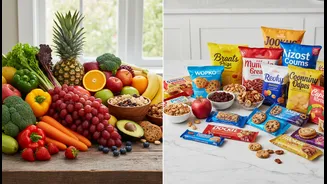
Social media platforms like Instagram and YouTube have become powerful engines for food discovery, acting as a vibrant, visual cookbook for millions. This has had a wonderfully positive effect on culinary diversity. Food bloggers and influencers have been instrumental in reviving interest in India's rich culinary heritage, showcasing regional treasures from Chettinad's fiery curries to Kashmiri Wazwan. This digital spotlight helps a new generation connect with their roots and encourages cross-cultural appreciation, as people globally try making traditional Indian dishes at home. However, this sword has two edges. The same platforms that celebrate heirloom recipes also amplify fleeting, often unhealthy, food trends. Viral challenges and visually stunning but nutritionally poor fusion foods—think butter chicken pizza—can spread like wildfire, influencing eating habits, particularly among younger audiences who are more susceptible to such trends.
Navigating the Influencer Economy
In the digital food environment, influencers and unaccredited “nutrition coaches” have emerged as powerful, if unregulated, sources of information. They create a personal connection with their audience, shaping perceptions and driving consumer behaviour. Many use their platforms for good, sharing evidence-based knowledge, promoting mindful eating, and offering practical advice on healthy cooking. Yet, this space is also rife with misinformation. Nutritional 'hacks' and pseudo-clinical advice circulate without institutional verification, making it difficult for consumers to separate fact from fiction. The line between genuine advice and sponsored content is often blurred, leading to the promotion of products without transparency. This places a significant burden on the consumer to critically evaluate the credibility of the information they consume, a task made harder by algorithms designed to maximise engagement, not accuracy.
The Search for Conscious Consumption
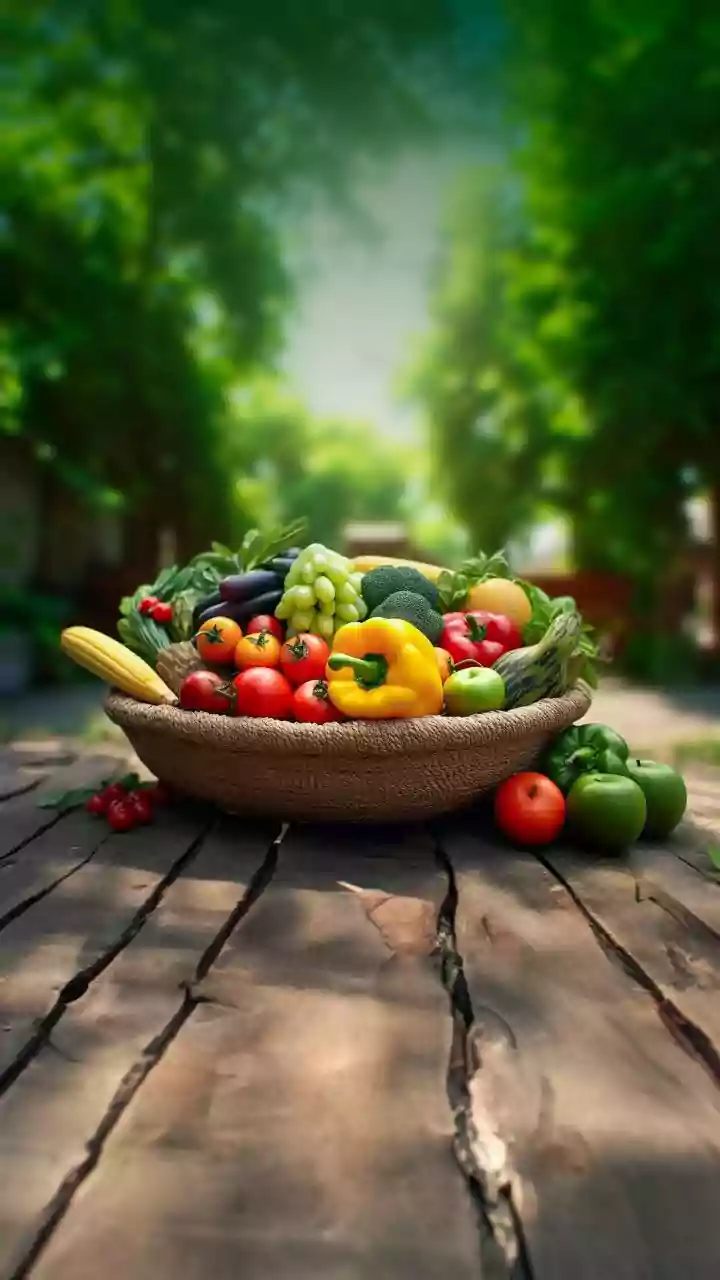
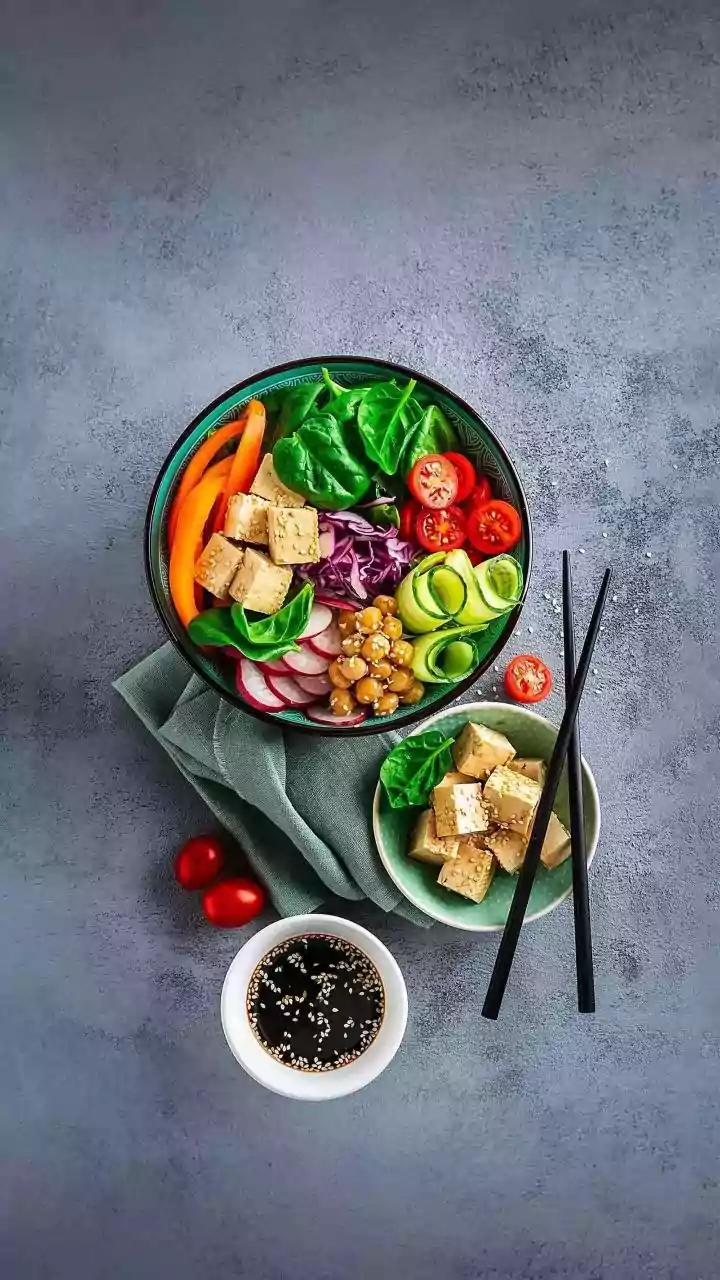
Beyond the convenience of fast delivery and the allure of viral trends, a more mindful consumer is emerging online. The digital marketplace has become a crucial link between conscious buyers and niche producers. There is a growing demand for organic produce, clean-label products, and plant-based proteins, and online platforms make it easier for consumers to find them. More than half of Indian consumers report actively taking steps to improve their health, and a majority demand transparency and detailed product information before making a purchase. This digital ecosystem empowers small-scale farmers and artisanal brands to reach a national audience, bypassing traditional retail gatekeepers. It allows consumers to make values-based purchasing decisions, whether that means supporting sustainable agriculture or finding products that fit specific dietary needs. This corner of the internet shows that connectivity can indeed foster a more informed and intentional approach to eating.
From Access to True Food Literacy
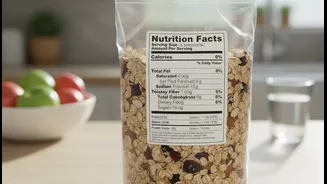
Ultimately, the internet's potential to genuinely improve Indian diets hinges on a crucial factor: digital food literacy. Mere access to information or online stores is not a silver bullet for better health, especially in a country facing the dual burden of undernutrition and rising lifestyle diseases. Studies show that while the digital environment offers opportunities, it also poses risks, such as promoting calorie-dense foods and spreading misinformation, with younger users being particularly influenced. True improvement comes from empowering individuals with the skills to navigate this complex landscape. This includes the ability to critically evaluate health claims, read and understand nutritional labels, distinguish between marketing and sound advice, and plan meals effectively. Without these skills, the vastness of the online world can lead to confusion and poor choices rather than empowerment. Interventions must therefore focus on building these capabilities, not just expanding connectivity.