


A New Culinary Pride
For years, fine dining in India often meant looking outwards, giving reverence to ingredients like truffles and parmesan. But a significant shift is underway. A new generation of chefs is championing a hyperlocal approach, turning the spotlight onto the immense
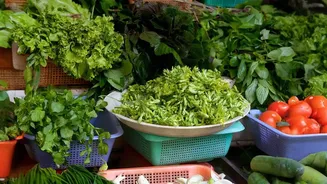
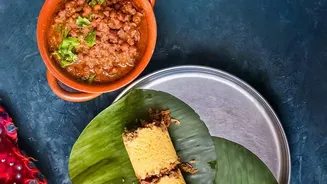
biodiversity in our own backyards. This movement is about more than just novelty; it's about reclaiming a sense of pride in our own produce. Chefs like Manish Mehrotra, Varun Totlani, and Prateek Sadhu are leading the charge, proving that indigenous ingredients like jakhiya seeds from the Himalayas, Kashmiri haaq, and local varieties of rice can be as complex and sophisticated as any global luxury item. This ingredient-forward movement is reshaping menus, moving from familiar tastes to celebrating the unique foods of specific regions, like the wild edibles of the Sahyadri hills.
The Stars of the Show
So, which ingredients are getting this modern makeover? The list is as diverse as India itself. Take the Gondhoraj lebu, the 'king of fragrance' from Bengal. Traditionally squeezed over dal or fish, this aromatic citrus is now the star in everything from gin and tonics to sorbets and cheesecakes. Then there's the infamous Bhoot Jolokia, or ghost pepper, from the Northeast. Once known mainly for its searing heat in traditional pickles and chutneys, it's now lending its unique smoky and fruity undertones to hot sauces, marinades, and even chocolates. Even the humble makhana (fox nut), long relegated to a simple roasted snack, is being reimagined. Home cooks and chefs are grinding it into gluten-free flour for parathas, stirring it into curries for texture, and blending it into creamy, nutritious smoothies.
From Fine Dining to Home Kitchens
This trend isn't confined to high-end restaurants. The pandemic played a surprising role in accelerating this shift. As supply chains were disrupted, many people turned to local sources. The home-chef movement became an engine of culinary rediscovery, with cooks using their knowledge of regional ingredients to create new dishes. Social media has also been a powerful catalyst. Food creators and digital archives are documenting and sharing lesser-known recipes, from Kumaoni Bhatt ki Churkani to Maharashtrian preparations using foraged greens. This online sharing of knowledge inspires home cooks to experiment, moving beyond recipes passed down orally and embracing new ways to use the ingredients they grew up with. This has created a renewed interest in the story behind the food, where an ingredient comes from, and why it's traditionally used.
More Than Just a Trend
This embrace of regional ingredients is about more than just creating exciting new dishes. It represents a deeper cultural awakening. By focusing on local and seasonal produce, chefs are fostering sustainability and supporting small-scale farmers and producers. This movement champions India's agricultural diversity, from ancient grains and millets to unique forest foods that were at risk of disappearing. Initiatives like the UN's 'International Year of Millets', proposed by India, have also helped raise global awareness about the nutritional and ecological benefits of these indigenous crops. By valuing what is grown locally, the culinary world is helping to preserve not just biodiversity but also the cultural knowledge and heritage tied to these foods.