






What Are the Orionids?
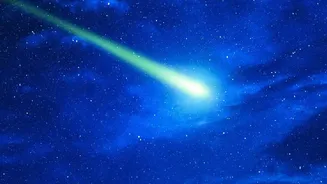
The Orionid meteor shower is an annual event that occurs when Earth passes through the dusty trail left behind by Comet 1P/Halley, perhaps the most famous comet in history. Each piece of debris, many no larger than a grain of sand, burns up upon entering
our atmosphere, creating the fleeting streaks of light we call meteors or shooting stars. The Orionids are known for being particularly fast and are often bright, making them one of the most beautiful showers of the year. They get their name because they appear to radiate from a point in the constellation Orion, the Hunter.
When to Watch in 2026
Mark your calendars for the nights of October 21 and 22, 2026. This is when the Orionid shower is predicted to reach its peak. While some meteors will be visible from early October to early November, your best chance to see the most activity is on these peak nights. The main challenge this year will be a bright, waxing gibbous moon, which will be about 80% full and can wash out fainter meteors. However, there is a silver lining. The moon is expected to set around 3 a.m. local time, opening a window of true darkness until dawn. For the best show, set an alarm and head out in the pre-dawn hours.
The City Dweller's Challenge: Light Pollution
For anyone in or near a major Indian city, the biggest hurdle is light pollution. The glow from streetlights, buildings, and homes creates a haze that obscures all but the brightest stars. But that doesn't mean you have to miss out. The key is to find the darkest spot you can, even if it’s not perfect. This could be a large park, a sports field, or the terrace of a tall building. The goal is to get away from direct sources of light and give your eyes a chance to adjust. Even a short drive to the city's outskirts can make a monumental difference, taking you from a sky with a few visible stars to one filled with dozens.
Forget the Telescope: What to Bring
The best part about watching a meteor shower is that you don't need any special equipment. In fact, a telescope is counterproductive, as its narrow field of view means you'll likely miss the show. Your naked eyes are the best tool for the job. Instead of gear, focus on comfort. Bring a blanket or a reclining lawn chair so you can lie back and look up without straining your neck. Pack some warm clothes in layers, as even pleasant evenings can get chilly in the pre-dawn hours. A flask of a warm drink and some snacks will make the experience even more enjoyable. Lastly, and most importantly, bring patience. It can take up to 30 minutes for your eyes to fully adapt to the dark, and meteors often come in spurts.
Tips for Urban and Suburban Viewing
If you're stuck within city limits, strategy is everything. Find a spot where large buildings or trees can block the glare from streetlights. Once you're settled, put your phone away. The bright screen will ruin your night vision, and it takes a long time to recover. Look generally toward the darkest part of your sky; the meteors can appear anywhere. While their radiant point is in the constellation Orion, you don't need to stare directly at it. In fact, meteors seen farther from the radiant often have longer, more dramatic trails. For those able to travel a bit, areas on the outskirts of major cities offer a good compromise. Mumbaikars can head towards the Sahyadri foothills near places like Jawhar, while those in Delhi might find darker skies toward the Aravalli range. Bangalore residents often find clearer skies near the hills surrounding the city, like Nandi Hills.