
What's Cooking with AI?
Beyond simply searching for a butter chicken recipe online, a new wave of AI-powered tools is changing how home cooks approach their meals. These aren't just digital cookbooks; they are creative assistants. Using generative AI, apps like ChefGPT, Slurrp,
and Kitchen Saathi can generate novel recipe ideas based on the ingredients you have on hand. Got some paneer, leftover rice, and a handful of spices? An AI can suggest a unique fusion dish, complete with step-by-step instructions, cooking times, and nutritional information. This technology aims to move beyond static recipe databases to offer dynamic, personalized culinary suggestions, effectively acting as a digital sous chef for the modern household.
The Great Indian Flavour Challenge
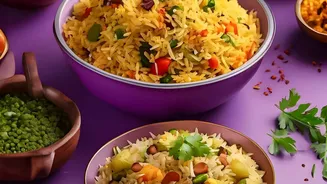
Indian cuisine, with its staggering diversity of regional dishes, complex spice blends, and nuanced cooking techniques, presents a formidable challenge for any algorithm. A simple instruction like 'bhuno' (sautéing until fragrant and oil separates) carries a depth of sensory knowledge that is difficult to code. Researchers are actively developing AI models specifically trained on vast datasets of Indian recipes to understand these subtleties. Projects from institutions like IIIT-Hyderabad are focused on teaching AI to visually identify and analyze the complex components of a traditional Indian thali, a task far more complicated than analyzing a sandwich. The goal is to create AI that respects and understands cultural authenticity, from differentiating a Hyderabadi biryani from a Lucknowi one to suggesting appropriate ingredient substitutions that don't compromise the spirit of the dish.
A Tool for the Times
The rise of AI in Indian kitchens is driven by a blend of curiosity and convenience. For a growing urban population with busy schedules, these tools offer a way to eat healthy, home-cooked meals without extensive planning. They can generate weekly meal plans, create grocery lists, and cater to diverse dietary needs within a family, such as low-calorie, vegan, or keto-friendly options. This tech adoption is concentrated in urban hubs like Delhi NCR, Bengaluru, and Hyderabad, which show high rates of AI usage. Furthermore, for a younger generation that may not have learned cooking through traditional family instruction, AI provides an accessible and non-judgmental entry point into the culinary world, helping them experiment with confidence.
Innovation Meets Intuition
Despite the advances, the role of AI is seen as an assistant, not a replacement for the human cook. Experienced chefs and home cooks use these tools for brainstorming and research, but rely on their own judgment to refine the results. An AI can generate a recipe, but it can't replicate the 'haath ka swaad'—the unique taste imparted by a cook's hands—or the 'andaaz' (intuitive estimation) that defines so much of Indian cooking. Some models are even being built to help preserve culinary heritage, introducing users to lesser-known regional cuisines or ancient traditions like Ayurveda by generating recipes aligned with body types and seasons. It's a collaboration where technology provides the data and structure, while the cook provides the soul.
The Smart Kitchen of Tomorrow
The trend extends beyond apps to physical hardware. Indian startups are developing smart appliances, like the delishUp and Posha, which are AI-powered cooking robots capable of chopping, stirring, and cooking entire meals based on guided recipes. These devices, connected to the cloud, can learn user preferences and even 'watch' food as it cooks, making real-time adjustments. While still a niche market, they point to a future where the kitchen is a fully integrated smart environment. AI could manage inventory in your smart fridge, suggest recipes to reduce food waste, and automate the most laborious parts of meal prep, freeing up home cooks to focus on the creative aspects of their culinary passion.