






The Unparalleled Success of a Free Public Good
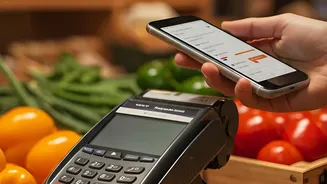
Launched in 2016, UPI has revolutionised India's economy. By allowing instant, free bank-to-bank transfers via mobile phones, it has become the default payment method for over 550 million users, processing billions of transactions monthly. From street
vendors to large retailers, its adoption has been spectacular, driven by the government's deliberate policy to keep it free for both consumers and merchants. This 'zero Merchant Discount Rate' (MDR) policy was designed to accelerate digital payments and financial inclusion, and by all measures, it has succeeded beyond expectations. The system is now so popular that other countries are looking to adopt the model.
The Zero-Cost Dilemma
While UPI is free at the point of use, it is not free to operate. Each transaction, however small, involves significant operational costs. These include expenses for technology infrastructure, cybersecurity, fraud detection, and round-the-clock customer support. Currently, this financial burden is borne by the ecosystem's participants: banks, payment service providers like PhonePe and Google Pay, and the National Payments Corporation of India (NPCI), which runs the platform. The government provides some subsidies for low-value transactions, but industry experts and even the RBI have pointed out that this model is not sustainable in the long run as transaction volumes continue to explode.
The Search for a Revenue Model
The core of the debate revolves around the Merchant Discount Rate (MDR), a fee merchants typically pay to banks and payment processors for accepting digital payments. This was made zero for UPI in 2020 to spur adoption. Now, there is a growing consensus that a sustainable funding mechanism is needed. Recent legislative changes have given the government the legal flexibility to reintroduce MDR, although officials have been quick to reassure the public. The prevailing idea is not a blanket charge but a calibrated one. Proposals being discussed involve levying a small MDR, perhaps 0.3% to 0.5%, only on high-value transactions (e.g., above ₹2,000) at larger businesses. This would generate revenue for the ecosystem without affecting small merchants or everyday consumer payments.
What Does This Mean for You?
For the average user, not much is expected to change. The Finance Ministry and the Payments Council of India have repeatedly clarified that UPI will remain free for consumers. Person-to-person (P2P) transfers and the vast majority of small merchant transactions are expected to remain free of any charges. The focus of any potential MDR is squarely on larger businesses and high-value commercial transactions, which constitute a significant portion of UPI's total transaction value but a small fraction of its volume. The goal is to ensure the players who maintain the UPI infrastructure can cover their costs and continue to invest in security and innovation, without disrupting the payment habits of hundreds of millions of Indians.