





Beyond the Grams: Meet the Amino Acids
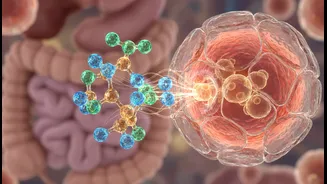
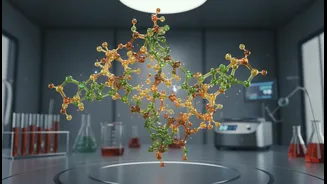
Think of protein as a chain, and amino acids as the individual links. Our bodies use about 20 different amino acids to build and repair tissues, create enzymes, and support countless other functions. Of these, nine are called 'essential amino acids' because
our bodies can't make them—we must get them from food. When we talk about protein 'quality', we're really talking about how well a food provides these nine essential building blocks. A food might be packed with protein, but if it's low in even one of these essential links, its ability to nourish the body is compromised.
Complete vs. Incomplete Proteins
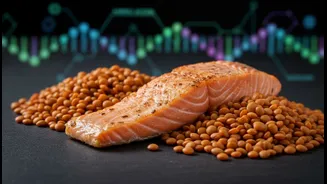
This brings us to the concepts of 'complete' and 'incomplete' proteins. A complete protein contains all nine essential amino acids in sufficient amounts. Generally, animal-based foods like meat, fish, eggs, and dairy are considered complete proteins. On the plant-based side, foods like soy (including tofu and edamame), quinoa, and buckwheat are also complete protein powerhouses. Incomplete proteins, on the other hand, are low in one or more essential amino acids. Most plant foods, such as beans, lentils, nuts, seeds, and grains, fall into this category. For instance, beans are often low in the amino acid methionine, while grains like rice can be low in lysine. This doesn't make them inferior foods—far from it. It just means a little strategy is needed to get the full spectrum of nutrients.
The Absorption Factor: Bioavailability Matters
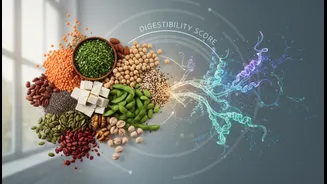
Here’s another crucial piece of the puzzle: not all the protein you eat is actually absorbed and used by your body. This is known as bioavailability or digestibility. Animal proteins are generally more digestible (around 93-99%) than proteins from whole plant sources like beans and grains (around 80%). The structure of the food and the presence of other compounds can affect how efficiently your body can break down the protein and absorb the amino acids. So, even if two foods have the same amount of protein on the label, the one with higher bioavailability will deliver more usable nutrients to your body. This is measured by scores like PDCAAS and the newer, more accurate DIAAS, which help scientists rank protein quality.
The Indian Thali Secret: The Power of Pairing
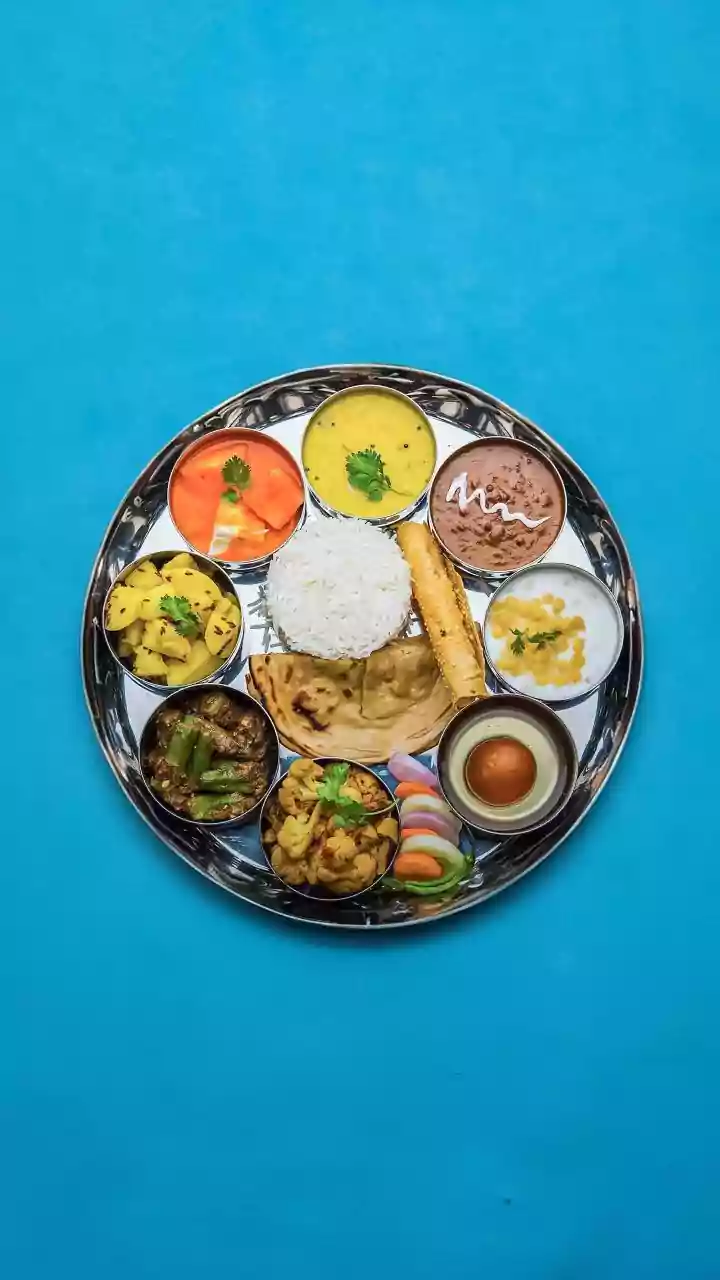
This is where traditional Indian food wisdom shines. For generations, meals have naturally combined incomplete proteins to form a complete amino acid profile. This practice is known as protein complementation. The classic combination of dal (legumes) and rice or roti (grains) is a perfect example. The lysine that is abundant in dal complements the methionine found in rice, and together they provide all nine essential amino acids. Similarly, rajma-chawal, idli-sambar, and even a simple peanut butter sandwich on whole wheat bread work on the same principle. You don't necessarily need to eat these complementary proteins in the same meal, but consuming a variety throughout the day ensures your body gets all the building blocks it requires. This is fantastic news for vegetarians and vegans, confirming that a well-planned plant-based diet can easily meet all protein needs.
Putting It All Together on Your Plate
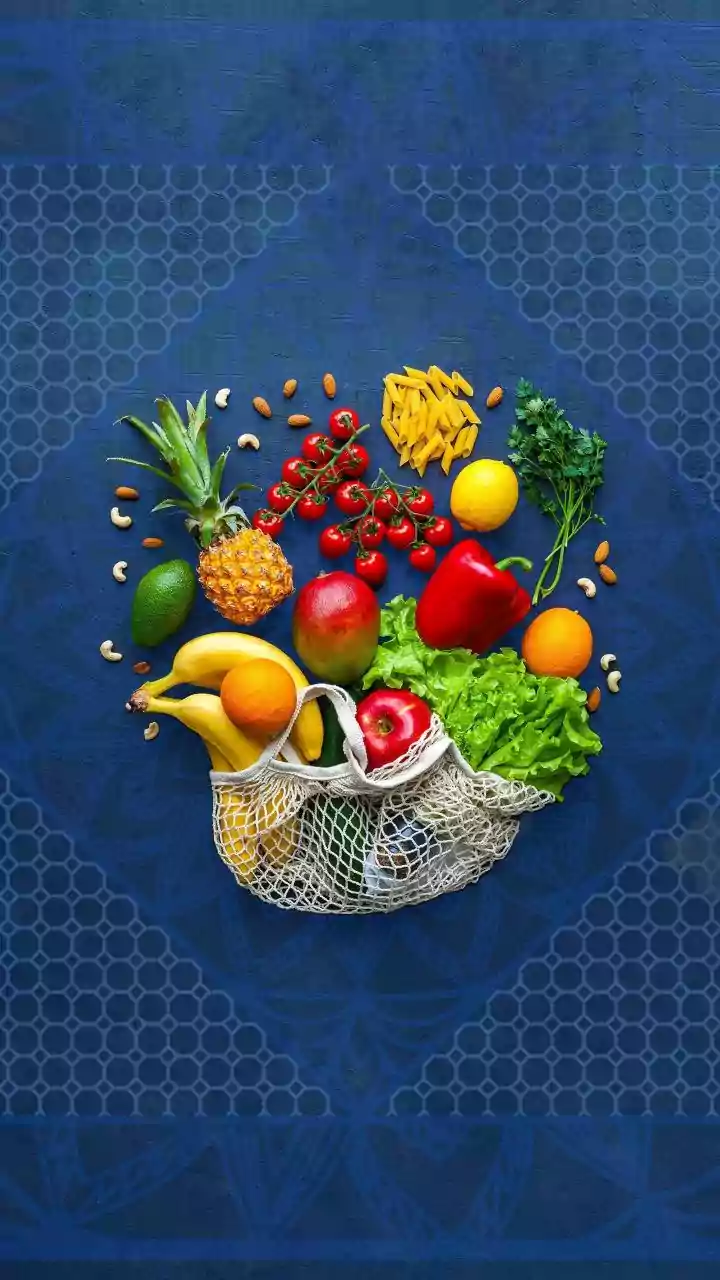
So, what does this mean for your daily meals? The goal isn't to obsessively track every single amino acid. Instead, focus on variety. If you eat animal products, including lean meats, fish, eggs, and dairy will provide high-quality, complete proteins. If you follow a vegetarian or vegan diet, the key is to eat a wide range of plant foods. Make sure your diet regularly includes a mix of legumes (dal, chickpeas, beans), whole grains (rice, roti, quinoa), nuts, and seeds. By embracing a diverse menu, you will naturally cover all your amino acid bases and ensure your body is getting the high-quality nourishment it needs to thrive, regardless of what the protein gram count says.