

The Two Main Paths: Nirjala vs. Phalahari
The first step is to decide which type of fast, or 'vrat', you will observe, as this choice dictates your entire food plan. Traditions vary by family and region, but they generally fall into two categories. The 'nirjala' fast is the strictest form, involving
complete abstinence from both food and water until the fast is broken at midnight or the next morning. Due to its demanding nature, it is typically undertaken by those in good health. The more common approach is the 'phalahari' fast. This involves abstaining from certain food groups, primarily grains and cereals, while consuming fruits ('phal'), milk products, and specific fasting-friendly ingredients. This guide focuses on the phalahari tradition.
Grains and Flours: What to Avoid, What to Embrace
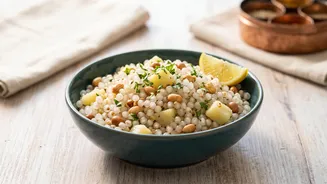
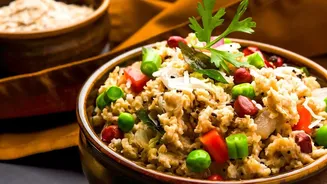
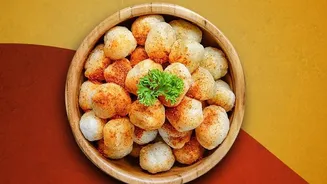
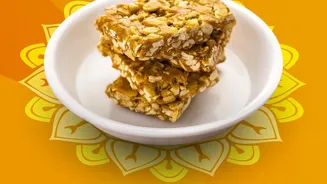
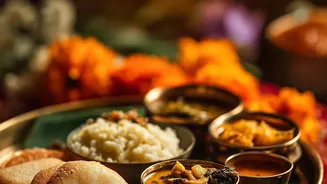
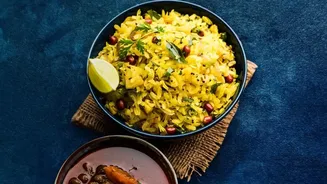
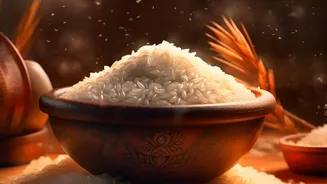
The cornerstone of a Janmashtami fast is the avoidance of common grains and pulses. This means wheat, rice, lentils, and regular flour are off the menu. Instead, the fast relies on a specific set of alternative flours and starches that provide energy and substance. Popular choices include Singhare ka atta (water chestnut flour), Kuttu ka atta (buckwheat flour), and Rajgira ka atta (amaranth flour). These are used to make puris, chapatis, and pakoras. Sabudana (tapioca pearls) and Samak ke chawal (barnyard millet) are also staples, often used to prepare khichdi, kheer, and vadas.
Vegetables: The Sattvic Selection
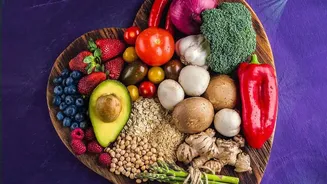
The rules for vegetables are centered on 'sattvic' principles, favouring foods that are believed to have a pure and calming effect on the body and mind. Onion and garlic are strictly avoided as they are considered 'tamasic,' or stimulating. Most devotees consume potatoes, sweet potatoes, raw bananas, bottle gourd (lauki), pumpkin, and cucumber. Tomatoes and spinach are also included in many traditions. However, some customs advise avoiding vegetables like radish and carrots on this day.
Dairy and Fruits: Fasting Mainstays
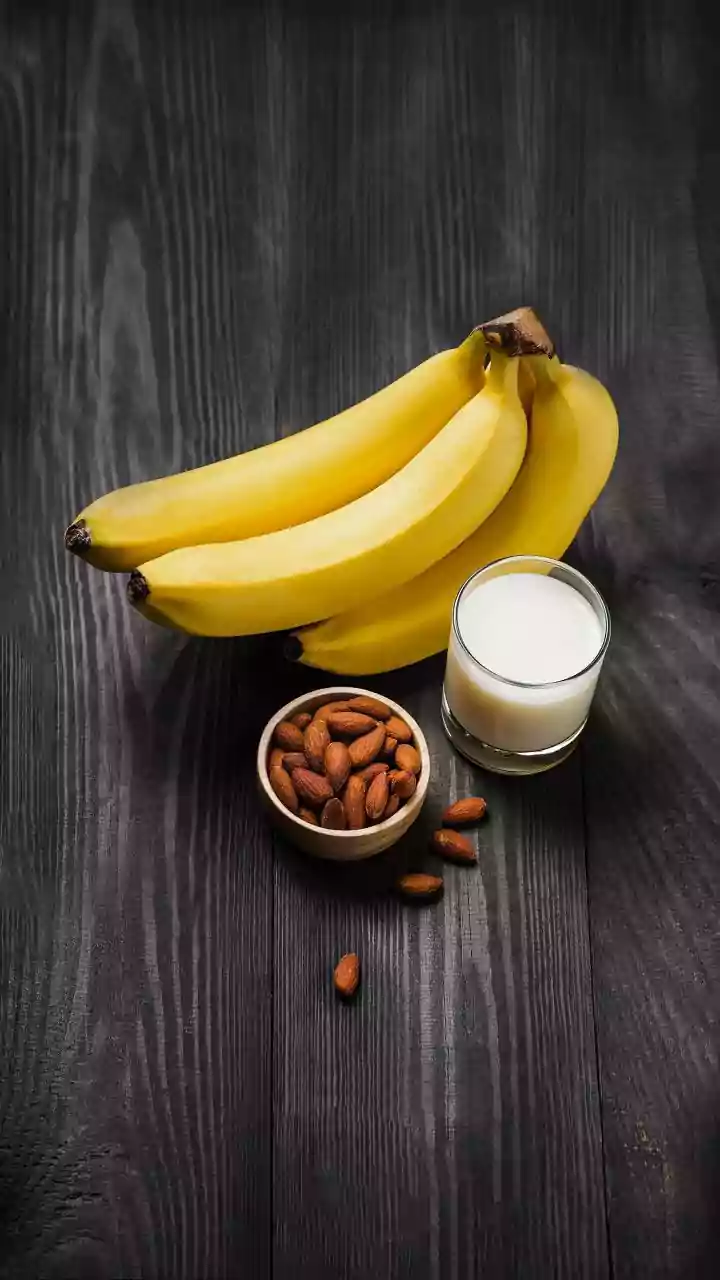
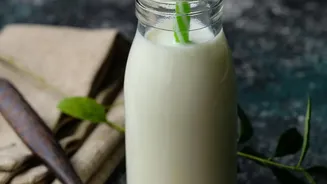
Dairy products and fruits are central to the phalahari diet, providing essential nutrients, hydration, and energy. Since Lord Krishna is famously associated with milk, butter, and curd, these items are considered highly auspicious. Milk, yogurt (curd), paneer (cottage cheese), butter, and ghee are all permitted and widely used in fasting recipes. All fresh fruits are allowed, with seasonal varieties like bananas, apples, and pomegranates being popular choices. They can be eaten whole, as part of a fruit chaat, or blended into juices and smoothies.
Spices and Salt: A Simple Palette
When it comes to seasoning, the principle is simplicity. Regular table salt is strictly forbidden during the fast. The only permitted salt is Sendha Namak, or rock salt. This unrefined salt is considered purer and is a hallmark of all vrat cooking. For flavour, a limited palette of spices is used. Cumin, black pepper powder, green chillies, and ginger are commonly allowed. Spices like turmeric and mustard are often skipped.
Staying Energised and Mindful
While following the dietary rules is important, the spirit of the fast is one of devotion, not deprivation. It is crucial to stay hydrated by drinking water, coconut water, or fruit juices, especially if you are not observing a nirjala vrat. Many people make the mistake of replacing their regular meals with large quantities of deep-fried fasting foods like puris and vadas. While permissible, these should be eaten in moderation to avoid feeling lethargic. Balancing fried items with roasted snacks like makhana (fox nuts) and plenty of fruits can help you maintain energy levels throughout the day.