





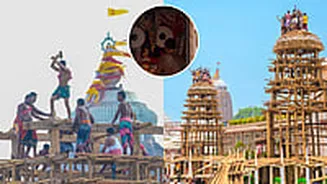


The Foundation: Why Your Feet Matter Most
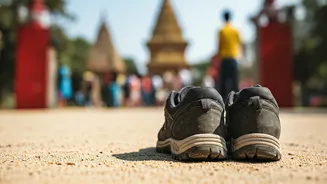
The headline isn't an exaggeration. The single most important item for your Rath Yatra journey is a pair of comfortable, well-cushioned walking shoes or sturdy sandals. The main procession moves along the Bada Danda, or Grand Road, a stretch of about
three kilometers from the Jagannath Temple to the Gundicha Temple. You will likely walk this distance, and possibly more, multiple times over several hours. The sheer density of the crowd—often numbering over a million—means you will spend a significant amount of time standing, shuffling, and navigating uneven surfaces. The wrong footwear can quickly lead to painful blisters, sore muscles, and exhaustion, turning a divine experience into a draining ordeal. Think of your shoes as the foundation upon which your entire festival experience is built; a poor choice here can undermine everything else.
Beyond the Shoes: Dressing for Devotion and Duration
Once your footwear is sorted, focus on your clothing. The weather in Puri during the festival in July is typically hot and humid, with a strong possibility of monsoon showers. The best approach is to wear lightweight, breathable fabrics like cotton or linen that will keep you cool. Given the religious nature of the event, modest attire is essential. Opt for loose-fitting clothes that cover your shoulders and knees, such as a simple salwar kameez, kurta, or saree. Light-coloured clothing is also advisable as it helps reflect heat. It's wise to carry a lightweight, foldable poncho or a small umbrella, as a sudden downpour is always a possibility. The goal is to remain comfortable for a long day outdoors while respecting the sanctity of the occasion.
Your Compact Festival Survival Kit
Travel light, but travel smart. A small backpack or sling bag with a few essentials can be a lifesaver. Hydration is non-negotiable in the humid conditions, so a reusable water bottle is a must; you can often find refilling stations. Also pack sunscreen, a hat or scarf for sun protection, and a basic first-aid kit with essentials like band-aids for blisters, antiseptic wipes, and any personal medications. Given the long hours and potential for delays, having a few non-perishable snacks like energy bars or nuts can help maintain your energy levels. A fully charged mobile phone and a power bank are crucial for staying connected. Finally, in crowded conditions, a bottle of hand sanitizer is indispensable for hygiene.
Navigating the Sea of Humanity Safely
The sheer scale of the crowd can be overwhelming for first-time visitors. The key is to stay calm and aware. If you are in a group, establish a clear meeting point in case you get separated. Keep children and elderly members close, and ensure they have identification and emergency contact numbers with them. Be mindful of your belongings; in such large gatherings, pickpocketing can be a risk, so carry only essential valuables. It is crucial to follow the directions of police and volunteers, who are there to manage crowd flow and ensure safety. Avoid pushing against the crowd's movement and try to stay within designated barricaded zones for a safer experience.
Planning Your Arrival and Stay
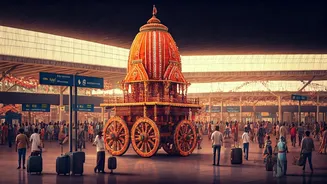
Logistical planning is as important as your packing list. Accommodation in Puri gets booked up months in advance, so secure your hotel or guesthouse as early as possible. On the main festival days, vehicular traffic near the temple is heavily restricted, meaning you will have to do a lot of walking from parking areas or your hotel. Staying in nearby Bhubaneswar and travelling to Puri for the day via special buses or trains is a practical option for many. Arriving in Puri a day or two before the main Rath Yatra on July 16, 2026, can help you acclimatize and understand the local layout before the peak crowds descend. This foresight allows you to position yourself for a better view and a less stressful experience.