
Mastering The Batter
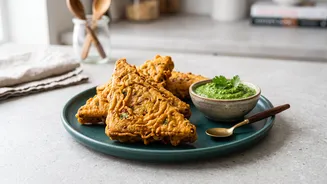
The secret to a less oily pakora begins with the batter. A common mistake is making the batter too thin or runny. A thin batter fails to coat the bread properly and absorbs more oil. Your goal is a thick, paste-like consistency that clings securely to the bread without
dripping excessively. To achieve this, add water to your gram flour (besan) gradually. Many experts also recommend adding a tablespoon or two of rice flour or cornstarch to the besan. This addition is a game-changer; it not only creates a superior crunch but also helps prevent the pakora from soaking up too much oil. Some cooks even suggest adding a few tablespoons of the hot frying oil directly into the batter just before frying. This seemingly counterintuitive step helps create a barrier, making the pakora crispy on the outside while remaining moist inside.
The Science of Temperature
Getting the oil temperature right is arguably the most critical step in avoiding a greasy outcome. If the oil is not hot enough, the bread pakora will sit in the pan for too long, slowly soaking up oil and becoming soggy. Conversely, if the oil is too hot, the outside will burn before the filling is properly heated. The ideal temperature range for frying is between 175°C and 180°C. If you don't have a kitchen thermometer, you can test the oil by dropping a tiny piece of batter into the pan. If it sizzles immediately and rises to the surface steadily without turning dark too quickly, your oil is ready. If it sinks or sizzles weakly, the oil is too cold. If it turns brown instantly, it's too hot. Maintaining a consistent temperature throughout the frying process is key.
Smart Frying Techniques
How you fry matters just as much as what you fry with. The golden rule is to never overcrowd the pan. Adding too many pakoras at once causes a significant drop in the oil's temperature, leading to the dreaded oil absorption you're trying to avoid. Fry in small batches, allowing enough space for each piece to float freely and cook evenly. This also helps the oil temperature recover between batches. When placing the pakora into the oil, do so carefully to avoid splashing. A heavy-bottomed pan or kadhai is recommended as it helps in maintaining a more stable frying temperature. For best results, use a neutral oil with a high smoke point, such as vegetable, peanut, or canola oil.
The Crucial Final Step: Draining
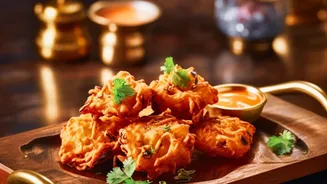
What you do the moment the pakora leaves the oil can make all the difference. Simply placing it on a flat plate lined with paper towels is a common mistake. This method traps steam underneath the pakora, causing the bottom to become soggy, defeating your efforts to achieve all-over crispiness. The far superior method is to place the freshly fried pakoras on a wire cooling rack set over a baking sheet or tray. This allows air to circulate all around the pakora, letting excess oil drip away while preserving the crispy texture. The paper towel on the baking sheet below will catch the drips, making cleanup easy. Only after this initial draining on a rack should you blot any remaining surface oil with a paper towel, if needed.