



What is a VR Dissection?
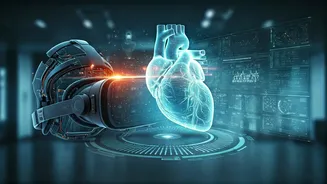
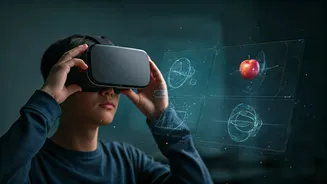
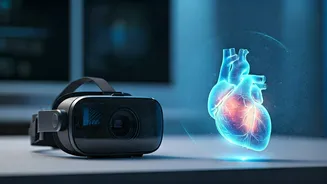
Imagine a biology lab where no animals are harmed, no chemicals are needed, and every student gets a perfect view. This is the promise of simulated dissections powered by Virtual Reality (VR). Instead of a preserved frog or earthworm, students put on a VR headset
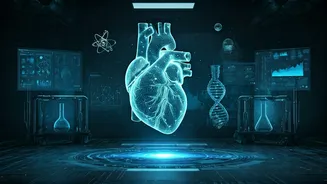
and enter a digital laboratory. Here, they can use virtual tools—scalpels, forceps, and pins—to interact with a highly detailed 3D model of an organism. They can peel back layers of tissue, isolate organs, and examine complex biological systems up close. Unlike a real dissection, a virtual one allows for mistakes to be undone with a click. Students can repeat the process as many times as they need to master the anatomy, zoom in on specific structures, and even see animated representations of how different systems, like the circulatory or nervous system, function in a living creature.
The Push for an Ethical Alternative
The primary driver behind this technological shift is ethics. For years, educators and animal welfare advocates have questioned the necessity of using millions of preserved animals for classroom dissections. In India, this conversation has gained significant momentum. The University Grants Commission (UGC) has actively discouraged animal dissection in zoology and life sciences courses, urging institutions to adopt alternatives. This directive addresses not only the ethical concerns of animal cruelty but also the environmental impact of chemical preservatives like formaldehyde. Furthermore, for many students, the experience of dissecting a once-living creature can be distressing, creating a barrier to learning. Virtual labs offer a compassionate alternative that aligns with modern ethical standards without compromising on educational objectives.
More Than Just a Substitute
While ethics provide the initial push, proponents of VR dissection argue that the technology offers superior pedagogical benefits. In a traditional lab, resources are often scarce. A single specimen might be shared among several students, limiting individual participation and a clear view for everyone. VR provides each student with a front-row seat and their own specimen. The interactive nature of these programmes allows for a deeper, more dynamic understanding. Students can trigger animations to see the heart beat or watch blood flow through arteries. These models can also present information in layers, labelling organs and providing textual information that would be impossible to integrate into a physical dissection. This combination of hands-on simulation and integrated digital learning caters to different learning styles and can improve comprehension and retention.
Challenges on the Path to Adoption
Despite the clear advantages, the rollout of VR classrooms is not without its hurdles. The most significant barrier is cost and accessibility. High-quality VR headsets and the sophisticated software required for realistic simulations represent a substantial investment for many educational institutions, particularly those in rural or under-funded areas. This creates a risk of a 'digital divide' in science education, where students in well-resourced urban schools get access to cutting-edge technology while others are left behind. Furthermore, effective implementation requires more than just buying the equipment. Teachers need to be trained not only on how to use the technology but also on how to integrate it effectively into their curriculum. Without proper pedagogical support, these expensive tools could end up as little more than a novelty, gathering dust in a storeroom.