






The call of the mountains is undeniable—cool air, sprawling vistas, and a break from the city din. But when you plan your escape, the choice of where to stay can define your entire trip. Is it a room with a view, or a view into a different way of life?
The Welcome: A Personal Greeting vs. a Formal Check-In
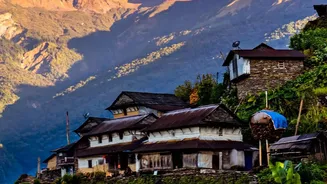
The experience begins the moment you arrive. At a commercial hill resort, this usually involves a uniformed valet, a polished reception desk, and a transactional check-in process. It’s efficient, professional, and predictable. In contrast, arriving at a village homestay often means being greeted at the door by the family who runs it. This isn't a transaction; it's an invitation. The welcome is personal, often accompanied by a cup of chai and a genuine curiosity about your journey. This immediate sense of being a guest in someone's home, rather than a customer in a building, sets a completely different tone for the holiday. It replaces the anonymity of a hotel corridor with the warmth of a shared space.
The Food: Home-Cooked Delicacies vs. Buffet Spreads
Food is a gateway to culture, and this is where homestays truly shine. While a resort buffet offers an impressive, globe-spanning array of options, it often lacks a sense of place. The food is standardised to cater to a diverse palate. A homestay kitchen, however, is where the magic happens. Here, you’ll find generational recipes, regional specialties made with local ingredients, and meals cooked with the kind of care you won't find in a commercial kitchen. You might get to taste a Himachali dham prepared the traditional way or a unique Kerala curry whose recipe isn't written down anywhere. Many hosts even welcome guests into their kitchen, turning a simple meal into an interactive cultural exchange.
The Experience: Shared Stories vs. Scheduled Activities
Commercial resorts are experts at curating experiences. They offer sightseeing packages, adventure sports, and evening entertainment, all conveniently scheduled. These activities are designed for tourists. Homestays, on the other hand, offer life itself as the experience. The 'activity' might be an impromptu conversation with your host about local traditions, a walk through the family’s fields, or getting tips on the best unknown spots to watch the sunset. Your host is your guide, offering personal recommendations that lead you away from the crowded tourist trail and towards hidden gems—a secluded waterfall, a local temple, or the best market for regional crafts. This provides an authentic immersion that a pre-packaged tour rarely can.
The Connection: A Glimpse into Real Life
Perhaps the most significant difference lies in the human connection. A resort is designed to provide a comfortable bubble, shielding you from the complexities of the outside world. A homestay gently pierces that bubble. By staying with a family, you get a glimpse into the rhythm of daily life in that region. You see the culture not as a performance or an exhibit, but as a living, breathing reality. This can mean understanding the importance of family in Indian culture, learning a few words in the local dialect, or participating in a small local festivity. These are the moments that transform a holiday from a simple getaway into a collection of meaningful memories.
Comfort, Convenience, and The Right Choice for You
This isn’t to say commercial resorts have no place. They offer a level of polished comfort, privacy, and amenities like swimming pools and 24-hour service that many travellers value, and which most homestays do not. For those seeking pure relaxation and predictability, a resort is often the perfect choice. However, it's crucial to manage expectations. A village homestay is not a hotel with a family in it; it is a family home that accepts guests. The facilities might be simpler, meal times may be fixed, and you are expected to be mindful of being in someone else's home. Some modern homestays have also become more commercial, blurring the lines. But for the traveller willing to trade a bit of polish for a lot of heart, the choice is clear.