
First, Understand Your Balcony's Light
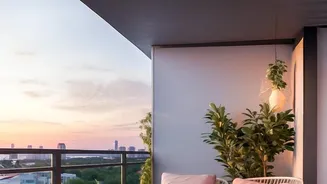
Before buying a single plant, become an expert on your balcony's unique light conditions. Don't just label it 'sunny' or 'shady'. Spend a day observing. Note what time direct sunlight first hits your balcony and when it leaves. A simple way to track this
is by watching for sharp, clear shadows, which indicate direct sun. An east-facing balcony might get gentle morning sun, while a west-facing one gets intense afternoon heat. South-facing balconies often get the most direct light throughout the day. This knowledge is your most powerful tool. Plants that need 6+ hours of sun, like bougainvillea, herbs like rosemary, or cherry tomatoes, will thrive in a high-sun spot. Those that prefer partial shade, like ferns or some flowering annuals, will be happier with morning-only sun or in a corner that gets bright, indirect light.
Master the Art of Watering
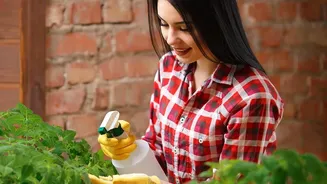
The most common mistake in container gardening is improper watering. Instead of watering on a rigid schedule, check the soil first. The 'finger test' is your best friend: push your finger about an inch into the soil. If it feels dry at the tip, it's time to water. If it's still damp, wait. When you do water, do so deeply and slowly until you see water run out of the drainage holes. This ensures the entire root ball is hydrated and encourages roots to grow downward, creating a stronger plant. Shallow, frequent sprinkles only wet the top layer, leading to weak, shallow roots that suffer in the heat. Remember that containers dry out much faster than garden beds, especially on hot or windy days. In the peak of summer, your pots might need watering every day, or even twice a day for smaller pots. The best time to water is early in the morning, which hydrates the plant before the day's heat and allows foliage to dry, reducing the risk of disease.
Choose the Right Pots and Soil
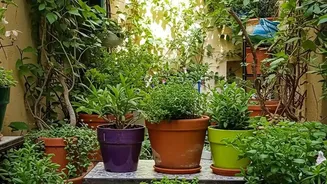
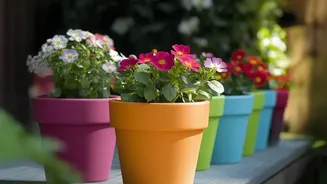
Your choice of container is crucial. The most important feature is drainage. Ensure every pot has at least one hole in the bottom to prevent waterlogging, which leads to root rot. The size of the pot also matters. Larger pots hold more soil, which means they hold more moisture and won't dry out as quickly as small pots. If you want to water less often, go bigger. When it comes to soil, don't use soil from a garden bed. It's too heavy and compacts easily in pots, choking roots. Instead, use a high-quality, lightweight potting mix specifically designed for containers. These mixes are formulated to provide the right balance of drainage, aeration, and moisture retention for a healthy root system.
Simple Hacks for a Thriving Balcony Garden
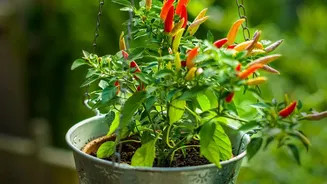
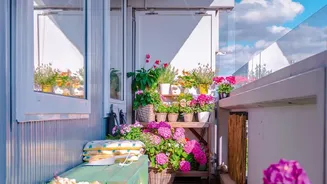
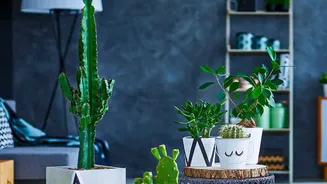
Ready to make your gardening journey even easier? Group plants with similar needs together. Place all your sun-lovers in the sunniest spot and your shade-tolerant plants in a more protected area. This simplifies watering and care. To maximize a small footprint, think vertically. Use wall-mounted planters, hanging baskets, or tiered shelves to draw the eye upward and make room for more greenery without cluttering the floor. For herbs like mint that tend to spread aggressively, give them their own pot to prevent them from taking over other plants. If you're a beginner, start with easy-to-grow, low-maintenance plants like succulents, which require minimal watering and are very forgiving. Finally, consider using self-watering planters or adding a layer of mulch (like sugarcane or bark chips) to the top of your soil to help retain moisture and reduce how often you need to water.