





The Sonic Heart of the Story
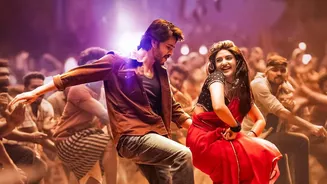
In Indian films, music is not just a background score; it's a narrative engine. Unlike in many Western films where music enhances a scene, here it often defines it. Songs serve as pivotal plot points, expressing a character's innermost feelings or advancing
the story through elaborate dance sequences. The soundtrack is a major event, often released well before the film to build excitement. A hit album can practically guarantee a strong opening at the box office. Think of the lasting power of albums from films like 'Aashiqui' or the way 'Tere Vaste' from 'Zara Hatke Zara Bachke' became a hook for audiences. This music becomes a souvenir for the audience, a piece of the film they can carry with them, making the movie's memory last far longer. This deep integration is why film music dominates the Indian music industry, accounting for a massive share of revenue and consumption.
The Art of the Emotional Payoff
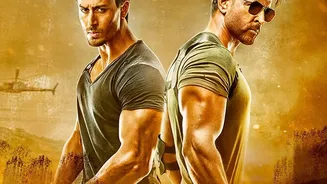
Indian blockbusters are masters of emotional architecture. The entire narrative often builds towards a climactic sequence designed to deliver a powerful, cathartic release for the audience. This is the 'paisa vasool' (worth the money) moment that viewers discuss for weeks. Whether it's the raw, patriotic fervour in the battle scenes of 'Kesari' or the triumphant climax of '12th Fail', these endings are engineered to provoke a strong emotional response. Directors like S.S. Rajamouli have perfected this, creating heroes who are established as near-mythical figures, yet are also shown to be vulnerable. This makes their eventual, hard-won triumph in the final act feel even more resonant. The lasting impression of a film is often determined by its final minutes, and a powerful climax ensures the movie becomes a memorable and emotionally satisfying experience.
A Grand Feast for the Eyes
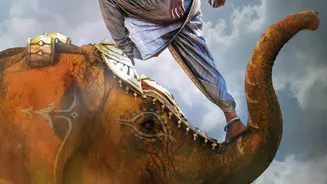
The rise of the pan-Indian blockbuster is intrinsically linked to a massive leap in visual scale. Films like the 'Baahubali' series, 'RRR', and 'KGF' have set new benchmarks for spectacle, using world-class visual effects and grand production design to create immersive worlds. This isn't just about explosions and CGI; it's about crafting jaw-dropping imagery that demands to be seen on the biggest screen possible. S.S. Rajamouli, in particular, is known for his ability to spin larger-than-life narratives and present them in a grand, fabulous manner with stunning visuals. This focus on creating a spectacle gives audiences more bang for their buck, justifying higher ticket prices and creating must-see events that draw people to theatres. It transforms the film from simple entertainment into a cinematic experience.
The Power of Three: When It All Comes Together
While each element is powerful on its own, the true magic of a record-breaking hit lies in their perfect synergy. A blockbuster like 'RRR' is a prime example of this trifecta. It combines high-octane action and spectacle with deep emotional storytelling and chartbuster songs like 'Naatu Naatu'. The film's formula—presenting a story with high emotional stakes in a grand manner with stunning visuals—is what gives it such broad appeal. The music amplifies the emotion, the visuals make the emotional stakes feel epic, and the climax brings it all to a thunderous, satisfying conclusion. When a filmmaker successfully merges a soulful soundtrack, a gut-punch of an ending, and visuals that leave you breathless, they are not just making a movie. They are creating a piece of modern folklore, a shared cultural event that resonates across the nation and even the globe.