


Ghee: The Golden Fat
There was a time, not too long ago, when ghee was public enemy number one in many health-conscious households. Blamed for everything from high cholesterol to weight gain, it was pushed to the back of the pantry in favour of refined vegetable oils. This
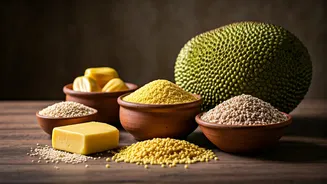
shift was part of a global low-fat craze that mistakenly demonised all saturated fats, ignoring centuries of traditional wisdom where ghee was revered not just for its taste, but for its digestive and nutritional properties. Now, the tables have turned. Science has caught up with tradition, recognising that ghee is a stable cooking fat with a high smoke point, making it safer for high-heat cooking than many oils. It's rich in fat-soluble vitamins like A, E, and D. For those with lactose sensitivities, the process of making ghee removes most of the milk solids, making it easier to digest. Its nutty, caramelised flavour is unparalleled, adding a depth to dals, rice, and rotis that no oil can replicate. It’s not just for tradition anymore; it’s a smart, flavourful choice for the modern kitchen.
Millets: The Ancient Grains
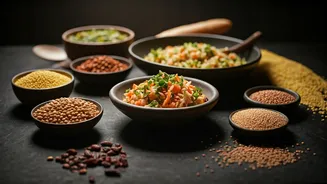
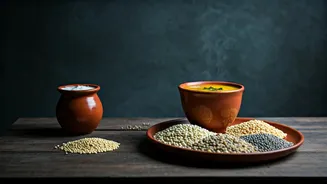
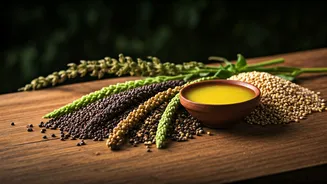
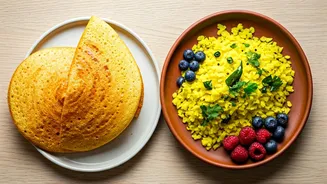
For generations of Indians, jowar, bajra, and ragi were staple foods. These hardy millets were the backbone of regional diets, perfectly suited to our climate. Then came the Green Revolution, which prioritised wheat and rice. Millets were soon labelled 'coarse grains' or 'poor man's food', and they slowly faded from urban kitchens. We embraced polished white rice and soft wheat rotis, and in doing so, lost touch with a powerhouse of nutrition. Today, millets are making a spectacular comeback, and for good reason. They are gluten-free, high in fibre, and packed with essential minerals like magnesium and iron. With a low glycaemic index, they release sugar into the bloodstream slowly, making them an excellent choice for managing blood sugar levels. They are also incredibly climate-friendly, requiring far less water than rice and wheat. From fluffy ragi idlis to crispy jowar dosas and bajra khichdi, these 'ancient' grains are proving to be the future of sustainable, healthy eating.
Jackfruit: The Versatile Giant
Known as 'kathal' in the north and 'chakka' in the south, raw jackfruit has long been a beloved vegetable, starring in savoury pickles, curries, and biryanis. Its unique, meaty texture made it a natural substitute in vegetarian households. Yet, for many, the sticky, cumbersome task of prepping it was a major deterrent, and it never quite achieved the mainstream status of potatoes or cauliflower. It remained a regional specialty, appreciated by those in the know. Then, the global vegan wave discovered it. Suddenly, our humble kathal was being hailed internationally as the ultimate plant-based 'pulled pork'. This newfound fame is encouraging us to look at it with fresh eyes. Packed with fibre, vitamins, and minerals, jackfruit is a low-calorie, nutrient-dense food. And you don’t have to prep it yourself anymore; pre-cut and even canned versions are now easily available. It’s time to move beyond just kathal ki sabzi and explore its incredible versatility in everything from tacos to cutlets.
Cottage Cheese: The Protein Powerhouse
Let’s be honest: cottage cheese has a reputation problem. Often seen as the bland, watery cousin of our beloved paneer, it’s been relegated to the world of restrictive diets and sad-looking salads. The mere mention of it can evoke images of flavourless, lumpy spoonfuls. This perception has caused us to completely overlook a wonderfully versatile, affordable, and high-protein ingredient that deserves a permanent spot in our fridges. Unlike paneer, which is dense and firm, cottage cheese has a softer, creamier texture that makes it incredibly adaptable. Forget eating it plain. Try whipping it until smooth to create a high-protein base for dips and spreads. Mix it with herbs and spices and use it as a filling for sandwiches or parathas. Blend it into smoothies for a protein boost without the chalky taste of powders. It’s a fantastic, low-fat way to add richness and creaminess to gravies and pasta sauces. It’s time to stop thinking of it as 'diet food' and start seeing it as a secret weapon for healthy, delicious cooking.