



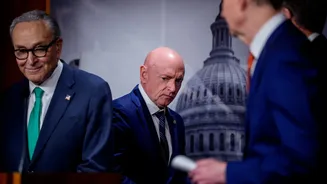


The ballots are counted, and the 2026 US midterm elections have reshaped the power dynamics in Washington. With Democrats taking control of Congress, the stage is set for a divided government, sparking immediate questions for global markets.
A 'Blue Wave' Reshapes Washington
In a significant
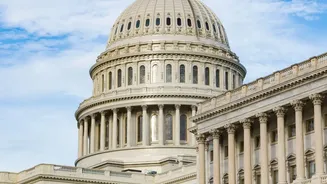
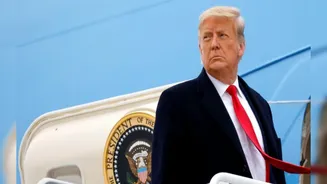
political shift, the Democratic party has won control of both the House of Representatives and the Senate. According to early results, Democrats secured a majority in the House by flipping dozens of districts and also gained control of the Senate, achieving what many are calling a 'blue wave'. This outcome marks a substantial rebuke of the sitting Republican administration and ends unified Republican control of the government, ushering in an era of divided power. With Democrats controlling the legislative branch and a Republican in the White House, the dynamic for passing laws and setting policy has fundamentally changed.
Why Divided Government Changes Everything
In the US system, a divided government often leads to legislative gridlock. Major policy changes become much more difficult to enact because the President's party no longer controls the agenda in Congress. Bills generally need approval from both the House and Senate before being signed into law by the President. Now, Democratic majorities can block the administration's legislative priorities. This new reality forces either compromise or confrontation, with significant implications for economic policy. While gridlock can sometimes be viewed positively by markets for preventing drastic policy swings, it also raises the risk of standoffs on critical financial matters.
The Big Fights Ahead: Debt Ceiling and Spending
The most immediate battleground will be fiscal policy. Key issues include funding the government and raising the debt ceiling—the legal limit on how much money the US government can borrow. The US Treasury is projected to hit its debt limit of $41.1 trillion in early 2027. A failure to raise this limit would risk a default on US debt, an event that could trigger global financial volatility. With a Democratic Congress, negotiations over the debt ceiling could become contentious, potentially tied to disputes over government spending levels. The risk of a government shutdown, which occurs if Congress fails to approve funding bills, also increases in a divided government.
How Global Markets Reacted
The initial reaction in global markets was mixed but revealing. The US dollar weakened, while US Treasury bonds rallied, pushing their yields lower. Stock markets, after some initial wobbles, broadly rose, with some analysts suggesting markets favour the stability of gridlock, which makes radical, market-unsettling policies less likely. However, some sectors faced immediate pressure; AI-related tech stocks fell on concerns that a Democratic Congress could pursue greater regulatory scrutiny. Meanwhile, a weaker dollar and lower US bond yields can make assets in other countries, including emerging markets, more attractive to investors.
What This Means for India
For India, the outcome in Washington matters. The key channels of impact are foreign institutional investor (FII) flows, the value of the rupee against the dollar, and crude oil prices. A weaker dollar and lower US Treasury yields could make Indian equities more appealing to foreign investors, potentially boosting FII inflows. Furthermore, the political shift could lead to more scrutiny of US tariff policies, potentially offering some relief from global trade uncertainties that affect Indian exporters. While a positive for India, market experts caution that domestic factors like corporate earnings, inflation, and RBI policy will remain the primary drivers for Indian markets in the long run.