








Why the Monsoon Messes With You
While the rains are a joy, the high humidity can be a challenge for our bodies. This damp environment is ideal for the growth of bacteria and viruses, increasing the risk of infections. Many people experience a weaker digestive system during this season,
leading to issues like bloating, indigestion, and constipation. This happens because the body's metabolism can slow down, making it harder to process heavy, oily foods. The craving for fried street food, combined with a higher risk of water contamination, makes paying attention to your diet more important than ever. A weakened gut can also compromise your overall immunity, as a large portion of your immune system resides in your gut.
Fibre: Your Monsoon Health Hero
This is where dietary fibre comes to the rescue. Fibre is a type of carbohydrate that the body can't digest, and it plays a crucial role in maintaining a healthy gut. It helps regulate bowel movements, preventing the constipation that can be common during the rains. By promoting the growth of good gut bacteria, fibre strengthens your digestive system and, in turn, boosts your immunity against seasonal bugs. A high-fibre diet also helps you feel full and satisfied, reducing the temptation to reach for unhealthy, fried snacks. It works to flush out toxins and supports the lining of your gut, keeping you feeling light and active.
Stock Your Pantry With These Foods
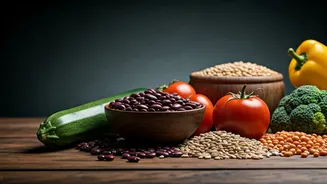
You don't need to look far for excellent fibre sources; many are already staples in Indian kitchens. Whole grains like bajra (pearl millet), jowar (sorghum), ragi (finger millet), and oats are fantastic choices. Lentils and legumes, such as moong dal, masoor dal, chana, and rajma, are packed with both fibre and protein. For vegetables, focus on seasonal gourds like lauki and bitter gourd, as well as beans, sweet potatoes, and carrots. Fruits like apples, pears, bananas, and pomegranates are also great additions. Nuts and seeds, particularly flaxseeds, chia seeds, and almonds, offer a powerful combination of fibre and healthy fats.
Simple Swaps for Healthier Meals
Incorporating more fibre into your diet doesn't require a complete overhaul. Start with small, easy swaps. Instead of white rice, try brown rice or a khichdi made with bajra or dalia and plenty of vegetables. A warm bowl of vegetable dalia or oats upma makes for a perfect fibre-rich breakfast. If you're craving a snack, trade the deep-fried pakoras for a roasted corn cob (bhutta) or a handful of roasted chana. Soups are another excellent way to get a dose of vegetables and fibre; a mixed vegetable or lentil soup can be both comforting and incredibly nutritious. For dinner, light preparations like steamed vegetables or a simple moong dal chilla with a vegetable filling are easy on the digestive system.
More Than Just Your Diet
While a fibre-rich diet is key, a few other habits can support your well-being during the monsoon. Always drink boiled or filtered water to avoid waterborne illnesses. Opt for warm drinks like herbal teas with ginger, tulsi, or lemon, which aid digestion and boost immunity. It's also best to favour freshly cooked, warm meals over raw foods like salads, which can carry a higher risk of contamination during this season. Finally, try to incorporate some light physical activity into your daily routine. Even simple indoor exercises can help keep your metabolism active and complement the benefits of your healthy diet.