






A Near-Death Experience
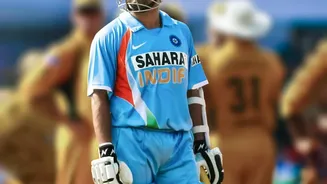
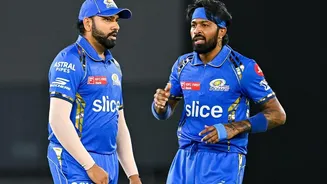
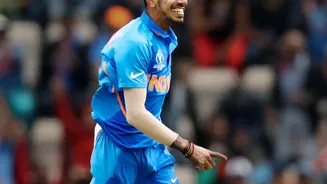
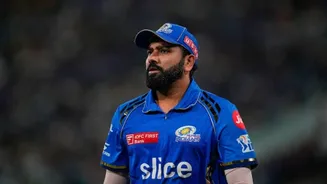
The shocking incident took place in 2013 during the Indian Premier League (IPL) season. Chahal, then a young player with the Mumbai Indians, first shared the harrowing story publicly in 2022. During a team get-together in Bengaluru, a heavily intoxicated
player, whom Chahal described as an Australian, called him over. Without warning, the player lifted him up, took him to a balcony, and hung him over the edge of the 15th floor. 'I was holding on to him, with my arms around his neck. If I had lost my grip, we were on the 15th floor... had there been a small mistake there, I would have fallen down', Chahal recalled. He described how others at the party rushed to intervene and pulled him to safety, after which he nearly fainted from the shock.
Breaking the Silence
Chahal revealed the story for the first time in a video with fellow player Ravichandran Ashwin, stating, 'I never told this story, from today everyone will know'. The revelation sent shockwaves through the cricket community. For years, the story remained a private trauma, a stark example of bullying and reckless behaviour that can occur behind the closed doors of professional sports. His decision to speak out brought to light not only his personal ordeal but also a separate bullying incident from 2011, where he alleged that teammates James Franklin and the late Andrew Symonds tied him up and left him in a room overnight. These combined stories painted a disturbing picture of the environment junior players can sometimes face.
The Question of Identity
While Chahal spoke about the 2011 incident involving Symonds and Franklin, he has consistently refused to name the player from the 2013 balcony incident, only identifying him as an Australian teammate who was not Symonds or Franklin. This deliberate omission has led to much speculation but has also been seen as a graceful way to handle a traumatic memory without initiating a direct personal conflict years later. Despite calls from fans and former players like Virender Sehwag to name the individual so that accountability could be sought, Chahal has maintained his silence on the identity of the player responsible for the life-threatening 'prank'.
Calls for Accountability
The reaction from the cricketing world was one of horror and condemnation. Former India coach Ravi Shastri was particularly incensed, calling the act 'not a laughing matter at all'. He argued that if such an incident were to happen today, the person responsible should receive a life ban from cricket and be sent to a rehabilitation centre. 'Someone's life is at risk, some people might think it is funny but for me, it is not funny at all', Shastri stated emphatically, highlighting that the intoxicated state of the player made the situation even more dangerous. The consensus was clear: this was not banter gone wrong but a severe abuse of power that endangered a player's life.
A Sobering Reminder for Sport
Beyond the immediate shock, Chahal's story serves as a crucial case study on player welfare and the culture within high-stakes sporting leagues. The incident underscores the immense pressure and intense environments that can sometimes foster a toxic culture of hazing or bullying, particularly affecting younger, less established players. Chahal himself noted that the experience taught him a valuable lesson about the need for responsibility. For sporting bodies and team franchises, it is a sobering reminder of their duty of care. The incident has become a touchstone in conversations about ensuring that celebrations and team bonding do not cross the line into dangerous and unacceptable behaviour, and that robust mechanisms are in place for players to report such issues without fear.